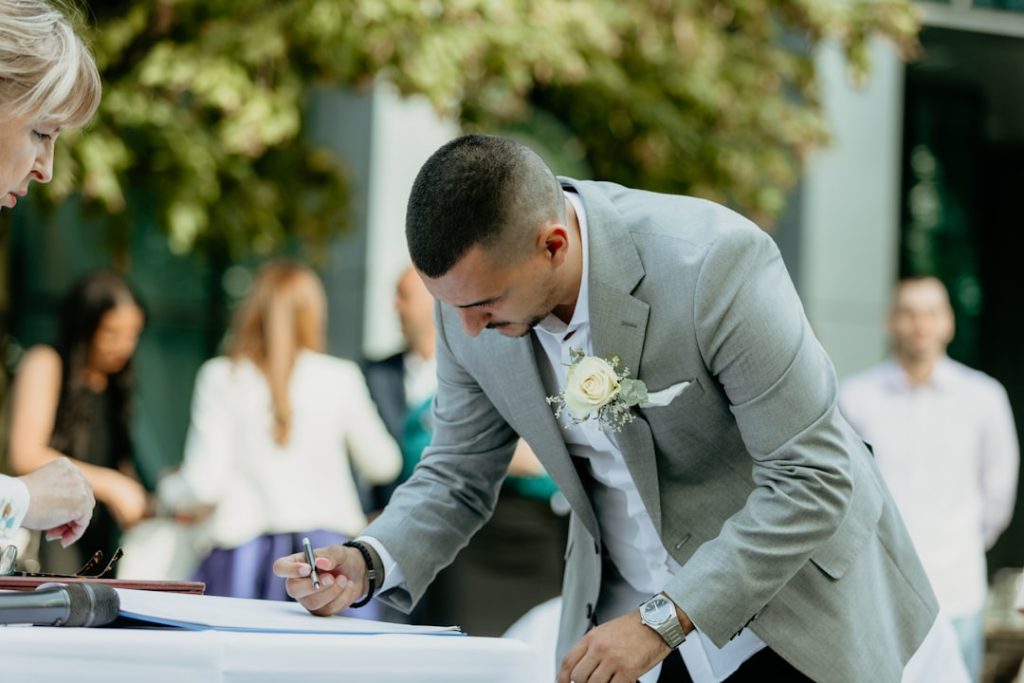
Selecting a wedding date requires careful consideration of multiple factors beyond personal preference. Couples should evaluate meaningful dates from their relationship history, such as anniversaries of significant milestones, which can add personal significance to the ceremony. Seasonal preferences play a crucial role in determining the overall atmosphere and aesthetic possibilities for the event.
Before finalizing a date, research potential conflicts with major holidays, local events, or cultural observances that could affect guest attendance or vendor availability. Peak wedding season dates, typically including summer months and holiday weekends, generally result in higher costs and reduced availability for venues and service providers. Off-peak dates, such as weekdays or winter months, often offer greater vendor availability and more competitive pricing.
Additional considerations include venue availability, guest travel requirements, and budget constraints. Popular dates may require booking 12-18 months in advance, while less common dates may provide more flexibility in planning timelines. The chosen date should ultimately accommodate the couple’s priorities while considering practical factors that ensure optimal conditions for their celebration.
Key Takeaways
- Choose a wedding date that suits your schedule and season preferences.
- Develop a realistic budget to manage all wedding expenses effectively.
- Research and book a venue that fits your style and guest capacity.
- Select reliable vendors for photography, catering, and other essential services.
- Plan final logistics carefully, including guest lists, transportation, and seating arrangements.
Budgeting and Financial Planning: Creating a Realistic Wedding Budget
Creating a wedding budget can feel overwhelming, but it’s an essential step in ensuring your day goes smoothly. Start by determining how much you can realistically spend. This may involve conversations with family members who may wish to contribute, as well as a thorough assessment of your own finances.
Once you have a clear picture of your budget, break it down into categories such as venue, catering, attire, and décor. This will help you allocate funds appropriately and keep track of your spending. As you plan, remember to include a buffer for unexpected expenses.
Weddings often come with surprises, whether it’s an extra guest or an unforeseen vendor fee. A good rule of thumb is to set aside 10-15% of your total budget for these contingencies. Additionally, prioritize what matters most to you and your partner.
If photography is a top priority, consider allocating more funds there while being mindful of other areas where you can save. This approach will help you create a wedding that feels personal and meaningful without breaking the bank.
Finding the Perfect Venue: Researching and Booking the Ideal Location

The venue sets the stage for your entire wedding experience, so take your time in finding the perfect location. Start by considering the style of wedding you envision—do you want an elegant ballroom, a rustic barn, or perhaps a beachside ceremony? Once you have a clear idea of your desired aesthetic, begin researching venues that align with your vision.
Online reviews, social media, and wedding blogs can provide valuable insights into potential locations. When visiting venues, pay attention to the details that matter most to you. Consider the layout, natural lighting, and available amenities.
Don’t hesitate to ask questions about capacity limits, catering options, and any restrictions they may have. It’s also wise to inquire about their cancellation policy and any additional fees that may arise. Once you find a venue that feels like “the one,” don’t wait too long to secure your date; popular venues can book up quickly.
Selecting Vendors: Hiring the Best Photographer, Caterer, and Other Professionals
Your choice of vendors can significantly impact the overall experience of your wedding day. Start by creating a list of essential services you’ll need—photography, catering, floral design, entertainment, and more. Research potential vendors by reading reviews and asking for recommendations from friends or family who have recently planned weddings.
Social media platforms like Instagram can also be a great resource for discovering local talent. When meeting with potential vendors, come prepared with questions that reflect your vision and expectations. Ask about their experience with weddings similar to yours and request to see their portfolios or sample menus.
It’s important to feel comfortable with your vendors; after all, they will play a crucial role in bringing your dream day to life. Once you’ve found vendors who resonate with you, don’t hesitate to secure their services with a contract to ensure peace of mind.
Designing the Look: Choosing the Perfect Wedding Dress and Décor
Selecting your wedding dress is one of the most cherished moments in the planning process. Begin by exploring different styles that reflect your personality—whether it’s classic elegance or bohemian chic. Don’t forget to consider comfort alongside style; you’ll want to feel at ease as you celebrate with loved ones.
Schedule appointments at bridal boutiques where you can try on various designs and receive expert advice from consultants. In addition to your dress, think about how you want to decorate your venue. Your décor should complement your overall theme while also reflecting your personal style.
Consider elements like floral arrangements, table settings, and lighting that will create the ambiance you desire. Pinterest can be an excellent tool for gathering inspiration; create boards that showcase colors, styles, and ideas that resonate with you. Remember that less can often be more; focus on key elements that will make a statement rather than overwhelming your space with too many decorations.
Creating the Guest List: Navigating the Tricky Task of Inviting Friends and Family
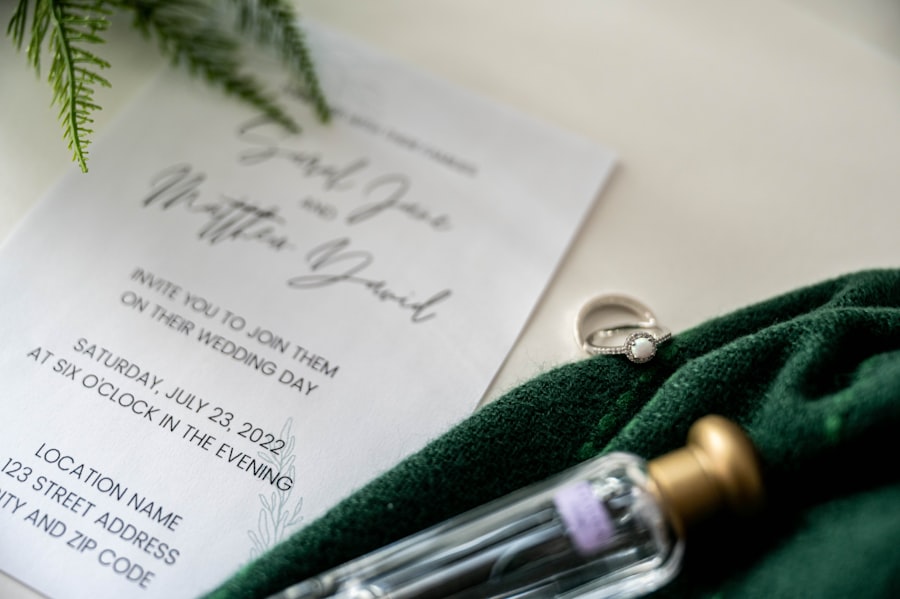
Crafting your guest list can be one of the more challenging aspects of wedding planning. Start by discussing with your partner who you envision sharing this special day with—immediate family members, close friends, and perhaps colleagues who have become significant in your lives. It’s helpful to create a master list where you can jot down names and categorize them into “must-invite” and “optional” sections.
As you compile your list, be mindful of venue capacity and budget constraints. It’s natural to feel pressure from family or friends regarding who should be invited; however, remember that this day is ultimately about celebrating your love story. If necessary, set boundaries early on regarding plus-ones or children to help streamline your list.
Once finalized, consider sending out save-the-dates well in advance so guests can mark their calendars.
Finalizing Details: Organizing Transportation, Accommodations, and Other Logistics
As your wedding day approaches, it’s time to focus on the logistics that will ensure everything runs smoothly. Start by organizing transportation for yourselves and guests if needed—this could include shuttles for guests from hotels to the venue or arranging rides for yourselves after the reception. Consider hiring a professional driver for peace of mind; this way, you can relax and enjoy every moment without worrying about navigating traffic.
Accommodations are another important detail to finalize. If many guests are traveling from out of town, consider reserving a block of rooms at nearby hotels for convenience. Provide guests with information on local attractions or activities they might enjoy during their stay; this adds a thoughtful touch that will be appreciated by those making the journey to celebrate with you.
Managing the Last-Minute Details: Handling RSVPs, Seating Charts, and Other Final Tasks
As the big day draws near, managing last-minute details becomes crucial in ensuring everything is in place. Start by tracking RSVPs diligently; this will help you finalize numbers for catering and seating arrangements. If some guests haven’t responded by the deadline, don’t hesitate to reach out personally—it’s perfectly acceptable to follow up.
Creating a seating chart can feel like a puzzle at times but is essential for ensuring everyone feels comfortable during the reception. Consider relationships among guests when placing them at tables; aim for a mix of familiar faces while also introducing new connections where appropriate. Once everything is organized, take a moment to breathe deeply and remind yourself that this day is about celebrating love—yours and those around you.
In conclusion, planning your wedding is an exciting journey filled with decisions that reflect your unique love story. By taking each step thoughtfully—from setting the date to managing last-minute details—you’ll create a beautiful celebration that resonates with both you and your partner while creating lasting memories for everyone involved. Embrace this time as an opportunity to express yourselves fully and enjoy every moment leading up to your special day!
When planning a wedding, having a comprehensive timeline is essential to ensure that every detail is taken care of leading up to the big day. A well-structured wedding planning timeline for 12 months can help couples stay organized and reduce stress. Additionally, if you’re looking for ways to make the bride feel special on her wedding day, you might find inspiration in this article about making a bride feel special. This resource offers thoughtful ideas that can enhance the overall experience and create lasting memories.
FAQs
What is a wedding planning timeline?
A wedding planning timeline is a detailed schedule that outlines the tasks and milestones to be completed leading up to the wedding day. It helps couples stay organized and ensures that all important aspects of the wedding are addressed in a timely manner.
Why is it important to start planning 12 months before the wedding?
Starting wedding planning 12 months in advance allows ample time to book popular venues, secure preferred vendors, and manage all details without rushing. It reduces stress and increases the likelihood of having the desired wedding experience.
What are the key tasks to complete 12 months before the wedding?
Key tasks include setting a budget, creating a guest list, choosing a wedding date, booking the venue, and hiring essential vendors such as a photographer and caterer.
How often should couples update their wedding planning timeline?
Couples should review and update their wedding planning timeline regularly, ideally monthly, to track progress, adjust plans as needed, and ensure deadlines are met.
Can the wedding planning timeline be customized?
Yes, the timeline can and should be customized based on the couple’s preferences, wedding size, and specific needs. Some weddings may require more or less time for certain tasks.
What are some common tasks to complete 6 months before the wedding?
At 6 months out, couples typically finalize the guest list, send save-the-date cards, order wedding attire, and book additional vendors like florists and entertainment.
When should invitations be sent out according to the timeline?
Invitations are generally sent out about 8 to 12 weeks before the wedding date, allowing guests enough time to RSVP and make travel arrangements if necessary.
What should couples focus on in the last month before the wedding?
In the final month, couples should confirm all vendor arrangements, create a wedding day schedule, have final dress fittings, and prepare payments and tips for vendors.
Is it necessary to hire a wedding planner when following a 12-month timeline?
Hiring a wedding planner is optional. Some couples prefer to manage the planning themselves using a timeline, while others hire planners to help coordinate details and reduce stress.
How can a wedding planning timeline help reduce stress?
By breaking down the planning process into manageable steps and setting deadlines, a timeline helps couples stay organized, avoid last-minute rushes, and feel more in control of their wedding preparations.