When we embark on the journey of planning an event, whether it be a wedding, a milestone birthday, or a family reunion, the first step we must take is to establish a realistic budget. This foundational element serves as our guiding compass, helping us navigate the myriad of choices and decisions that will arise throughout the planning process. To set a budget that reflects our financial situation, we should begin by assessing our overall resources.
This includes not only our savings but also any contributions from family members or friends who may wish to help. By having a clear understanding of our financial landscape, we can avoid the pitfalls of overspending and ensure that our event remains enjoyable rather than stressful. Once we have a grasp on our total budget, it’s essential to break it down into specific categories.
We can allocate funds for venue rental, catering, entertainment, decorations, and other necessary expenses. By itemizing our budget, we create a clearer picture of where our money will go and can prioritize certain aspects of the event that are most important to us. For instance, if we envision a lavish catering experience, we might choose to cut back on floral arrangements or entertainment costs.
This strategic allocation allows us to make informed decisions that align with our vision while keeping our finances in check.
Key Takeaways
- Setting a realistic budget is crucial for a successful wedding planning process.
- Choosing the right destination can help save costs and create a unique experience for the couple and their guests.
- Researching local vendors and services can help find affordable and reliable options for the wedding.
- Making the most of off-peak seasons can lead to significant savings on venue and vendor costs.
- Simplifying the guest list can help reduce overall expenses and create a more intimate celebration.
Choosing the Right Destination
Selecting the right destination for our event is another critical step in the planning process. The location we choose can significantly impact not only the atmosphere of the event but also the overall cost. We should consider destinations that resonate with our theme and vision while also being accessible for our guests.
For instance, if we are planning a beach wedding, we might look at coastal towns that offer beautiful scenery and affordable venues. Alternatively, if we prefer a more urban setting, we could explore cities known for their vibrant culture and diverse options. In addition to aesthetics and accessibility, we must also take into account the logistical aspects of our chosen destination.
This includes evaluating travel costs for our guests, availability of accommodations, and local regulations that may affect our event. By conducting thorough research on potential locations, we can ensure that our chosen destination aligns with both our budget and our guests’ convenience. Ultimately, the right destination will enhance the overall experience and create lasting memories for everyone involved.
Researching Local Vendors and Services
Once we have settled on a destination, the next step is to research local vendors and services that can help bring our vision to life. This phase is crucial as it allows us to connect with professionals who understand the local market and can provide valuable insights into what works best in that area. We should start by compiling a list of potential vendors for catering, photography, entertainment, and other essential services.
Online reviews and recommendations from friends or family can be invaluable in this process, helping us identify reputable providers who align with our style and budget. As we delve deeper into our research, it’s important to reach out to these vendors for quotes and availability. This not only gives us a clearer idea of potential costs but also allows us to gauge their responsiveness and professionalism.
We should ask questions about their experience with events similar to ours and request references from past clients. By taking the time to thoroughly vet our options, we can build a reliable team of vendors who will contribute to the success of our event.
Making the Most of Off-Peak Seasons
One effective strategy for managing costs while planning an event is to consider scheduling it during off-peak seasons. Many venues and vendors offer lower rates during these times due to decreased demand, which can lead to significant savings for us. For instance, if we are planning a wedding, choosing a date in the winter or early spring rather than the peak summer months can result in reduced venue fees and catering costs.
Additionally, many popular destinations have specific times of year when tourism slows down, allowing us to take advantage of lower prices. Beyond financial benefits, hosting an event during off-peak seasons often means less competition for venues and services. This increased availability can provide us with more options when selecting our ideal location or vendor.
Furthermore, with fewer events taking place simultaneously, we may find that we receive more personalized attention from service providers, enhancing our overall experience. By strategically choosing an off-peak time for our event, we can create a memorable occasion without breaking the bank.
Simplifying the Guest List
As we continue planning our event, one of the most challenging yet essential tasks is simplifying the guest list. While it may be tempting to invite everyone we know, keeping our guest list manageable can significantly impact both our budget and the overall atmosphere of the event. We should start by identifying our closest family members and friends who are most important to us.
By focusing on those who truly matter in our lives, we can create an intimate setting that fosters meaningful connections. In addition to emotional considerations, a smaller guest list often leads to cost savings in various areas such as catering and venue size. Each additional guest adds to our expenses, so by trimming down the list, we can allocate more resources toward enhancing the experience for those who attend.
We might also consider hosting a more casual gathering or celebration for those who cannot be included in the main event. This approach allows us to honor relationships without compromising on quality or experience.
DIY Decor and Details
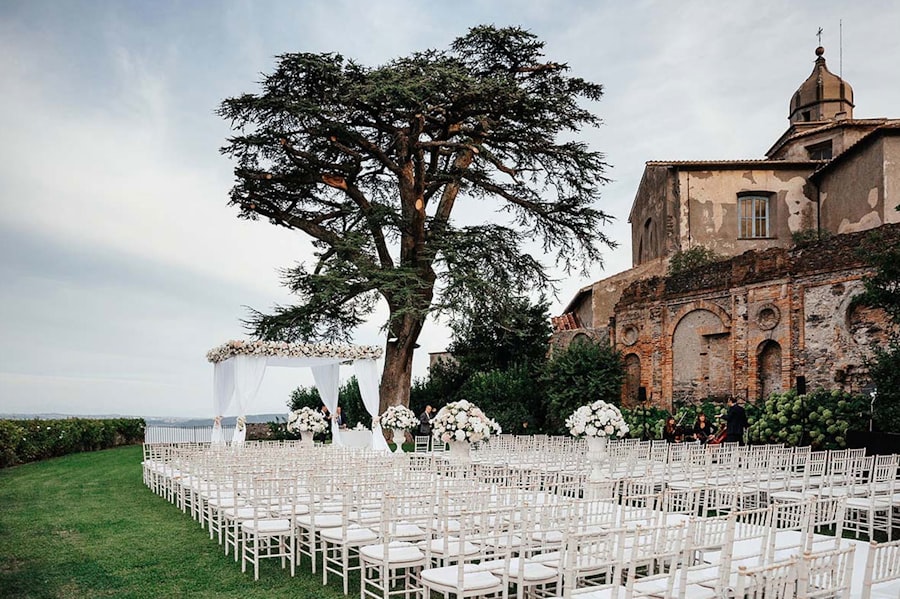
Incorporating DIY decor and details into our event planning can be both a fun and cost-effective way to personalize our celebration. By tapping into our creativity and resourcefulness, we can craft unique elements that reflect our style and vision without incurring hefty expenses. From handmade centerpieces to custom signage, there are countless opportunities for us to add personal touches that will make our event truly special.
Moreover, engaging in DIY projects can also serve as a bonding experience with friends and family. We can invite loved ones to join us in crafting decorations or assembling favors, turning what could be a solitary task into a memorable group activity. Not only does this approach save money, but it also creates lasting memories as we work together to bring our vision to life.
By embracing DIY decor and details, we can infuse our event with personality while staying within budget.
Finding Affordable Accommodations
When planning an event that involves out-of-town guests, finding affordable accommodations is crucial for ensuring their comfort without straining our budget. We should begin by researching various lodging options in the area surrounding our chosen venue. This may include hotels, motels, vacation rentals, or even local bed-and-breakfast establishments that offer competitive rates.
By comparing prices and amenities across different options, we can identify accommodations that meet both our guests’ needs and our financial constraints. In addition to traditional lodging options, we might also consider negotiating group rates with hotels or exploring platforms that cater specifically to group bookings. Many hotels offer discounts for large parties or extended stays, which can lead to significant savings for both us and our guests.
Furthermore, sharing information about local attractions or activities can enhance their experience while visiting, making them feel more connected to the destination we’ve chosen for our event.
Prioritizing Must-Have Elements
As we finalize our plans, it’s essential to prioritize must-have elements that will define the success of our event. By identifying key components that are non-negotiable for us—such as specific entertainment options or particular food choices—we can ensure that these elements receive adequate attention within our budget. This prioritization allows us to allocate resources effectively while still accommodating other aspects of the event.
We should also remain flexible in areas where we can compromise without sacrificing quality. For instance, if live music is a must-have but exceeds our budget, we might explore hiring a smaller band or even considering a talented friend who plays music as an alternative solution. By focusing on what truly matters most to us while remaining open to creative solutions in other areas, we can create an unforgettable event that reflects our vision without overspending.
In conclusion, planning an event requires careful consideration of various factors—from budgeting and choosing a destination to simplifying guest lists and prioritizing must-have elements. By approaching each step with intention and creativity, we can craft an experience that resonates with both us and our guests while remaining mindful of financial constraints. With thoughtful planning and resourcefulness, we can turn our vision into reality without compromising on quality or enjoyment.