
Wedding planning begins with establishing clear priorities that will guide decision-making throughout the process. Couples should identify which elements of their wedding hold the greatest importance, such as venue selection, guest count, catering, photography, or entertainment. Determining these key priorities enables more strategic allocation of both time and financial resources toward the most valued aspects of the celebration.
Effective communication between partners is essential during priority-setting discussions. Couples should engage in detailed conversations about their individual expectations and preferences for the wedding day. Creating a written list that ranks wedding elements by importance provides clarity and helps establish a unified vision.
This collaborative approach promotes teamwork and ensures both partners’ perspectives are considered in planning decisions. Wedding priorities may evolve as couples progress through the planning stages and gather more information about options and costs. Maintaining flexibility and willingness to reassess priorities allows for adjustments that better reflect changing circumstances or newly discovered preferences.
Regular review of established priorities helps couples stay focused on their core objectives while adapting to practical considerations that arise during the planning process.
Key Takeaways
- Prioritize tasks to focus on what matters most in wedding planning.
- Develop a realistic timeline to stay organized and reduce stress.
- Delegate responsibilities to trusted individuals to share the workload.
- Use technology and apps to streamline planning and keep track of details.
- Take breaks and practice self-care to maintain well-being throughout the process.
Creating a Realistic Timeline
With your priorities in place, the next step is to create a realistic timeline for your wedding planning. A well-structured timeline can alleviate stress and keep you on track as you move toward your big day. Start by determining your wedding date and working backward from there.
Break down the planning process into manageable tasks, assigning deadlines for each item. This could include booking vendors, sending invitations, and finalizing details with your venue. As you create your timeline, be sure to factor in buffer time for unexpected delays or changes.
Life can be unpredictable, and having a little extra time can help you stay calm when things don’t go exactly as planned. Additionally, consider using a wedding planning checklist to keep track of tasks and deadlines. This will not only help you stay organized but also provide a sense of accomplishment as you check off completed items.
Delegating Tasks
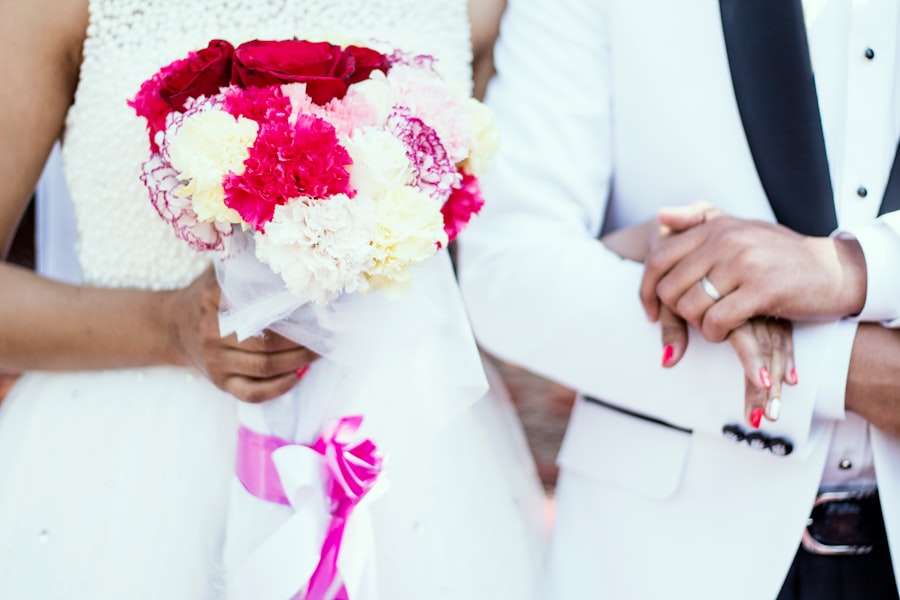
One of the most effective ways to reduce stress during wedding planning is by delegating tasks to trusted friends and family members. You don’t have to shoulder the entire burden alone; enlisting help can make the process more enjoyable and collaborative. Start by identifying individuals who are eager to assist and who have skills that align with specific tasks.
For example, if you have a friend who loves crafting, they might enjoy creating DIY decorations or invitations. When delegating tasks, be clear about your expectations and provide any necessary resources or guidance. This will empower your helpers to take ownership of their responsibilities while ensuring that everything aligns with your vision.
Remember to express gratitude for their support; a simple thank-you can go a long way in maintaining positive relationships during this busy time.
Utilizing Technology and Apps
In today’s digital age, technology can be a powerful ally in your wedding planning journey. There are countless apps and online tools designed specifically for brides like you, making it easier to stay organized and connected. Consider using wedding planning apps that allow you to manage guest lists, track RSVPs, and even create seating charts.
These tools can save you time and reduce the likelihood of errors. Additionally, social media platforms can be a great source of inspiration and community support. Join wedding planning groups or follow accounts that resonate with your style.
You’ll find a wealth of ideas, tips, and encouragement from fellow brides who are navigating similar experiences. Just remember to take breaks from screens when needed; while technology is helpful, it’s essential to maintain balance and avoid feeling overwhelmed.
Hiring a Wedding Planner
If the thought of planning every detail feels daunting, consider hiring a wedding planner. A professional planner can bring invaluable expertise to the table, helping you navigate logistics, vendor negotiations, and timelines with ease. They can also provide creative solutions to any challenges that arise, allowing you to focus on enjoying the process rather than stressing over it.
When selecting a wedding planner, look for someone whose style aligns with your vision and who understands your priorities. Schedule consultations to discuss your ideas and gauge their approach to planning. A good planner will listen attentively and offer insights that resonate with you.
Remember that investing in a planner can ultimately save you time and money by preventing costly mistakes and ensuring that everything runs smoothly on your big day.
Taking Breaks and Time for Self-care

Amidst the excitement of wedding planning, it’s crucial to prioritize self-care and take breaks when needed. Planning a wedding can be an emotional rollercoaster, filled with highs and lows. Allow yourself moments of respite to recharge and reconnect with yourself and your partner.
Whether it’s enjoying a quiet evening at home or indulging in a spa day, these breaks will help maintain your well-being throughout the process. Incorporating self-care into your routine doesn’t have to be time-consuming or elaborate. Simple practices like meditation, journaling, or taking walks can provide clarity and reduce stress.
Encourage your partner to join you in these activities; spending quality time together away from wedding discussions can strengthen your bond and remind you of what truly matters—your love for each other.
Communicating and Compromising
Effective communication is key to navigating the complexities of wedding planning with grace. As you work together with your partner, family members, and vendors, keep lines of communication open and honest. Share your thoughts and feelings about various aspects of the planning process, and encourage others to do the same.
This will foster an environment of collaboration and understanding. Compromise is often necessary when planning a wedding, especially when multiple opinions are involved. Be prepared to find middle ground on certain decisions while remaining true to your core priorities.
Approach discussions with empathy and patience; remember that everyone involved has good intentions and wants to contribute positively to your special day.
Celebrating Small Milestones
As you progress through the planning process, take time to celebrate small milestones along the way. Each completed task brings you one step closer to your dream wedding, so acknowledge these achievements with joy! Whether it’s finalizing the guest list or choosing your floral arrangements, treat yourself and your partner to a small celebration—perhaps a dinner out or a cozy night in with your favorite movie.
Celebrating these moments not only adds excitement but also reinforces the significance of this journey together. It’s easy to get caught up in the details and lose sight of the bigger picture; by recognizing milestones, you’ll cultivate gratitude for the experience itself. Embrace this time as an opportunity to grow closer as a couple while creating lasting memories that will carry into your future together.
In conclusion, planning a wedding is an intricate dance of priorities, timelines, communication, and self-care. By setting clear priorities, creating realistic timelines, delegating tasks, utilizing technology, considering professional help when needed, taking breaks for self-care, communicating openly, and celebrating small milestones, you can navigate this journey with confidence and joy. Remember that this day is about celebrating your love story—embrace every moment as you craft a beautiful beginning to your new chapter together.
For busy couples navigating the complexities of wedding planning, it’s essential to streamline tasks and make informed decisions. One helpful resource is the article on what the groom does on the wedding day, which provides insights into the groom’s responsibilities and how he can contribute to a smoother event. You can read more about it here. This information can help couples coordinate their efforts and ensure that both partners are engaged in the planning process.
FAQs
What are some effective wedding planning tips for busy couples?
Some effective tips include setting a realistic timeline, prioritizing key tasks, delegating responsibilities to trusted friends or family, using digital planning tools, and booking major vendors early to avoid last-minute stress.
How can busy couples save time during wedding planning?
Busy couples can save time by creating a detailed checklist, using online wedding planning apps, scheduling regular but brief planning sessions, and hiring a wedding planner or coordinator to handle logistics.
Is it necessary to hire a wedding planner if you have a busy schedule?
While not mandatory, hiring a wedding planner can significantly reduce stress and save time for busy couples by managing vendor communications, timelines, and day-of coordination.
What are some ways to involve family and friends in the planning process?
Couples can delegate specific tasks such as addressing invitations, organizing bridal showers, or managing décor to trusted family members or friends to share the workload.
How far in advance should busy couples start planning their wedding?
It is recommended to start planning at least 9 to 12 months in advance to allow ample time for booking venues, vendors, and managing other details without rushing.
What are the benefits of using digital tools for wedding planning?
Digital tools help busy couples stay organized, track budgets, manage guest lists, communicate with vendors, and access planning resources anytime, making the process more efficient.
How can couples manage wedding planning stress effectively?
Managing stress can be achieved by setting realistic expectations, taking breaks when needed, maintaining open communication, and focusing on the aspects of the wedding that matter most to the couple.
What should busy couples prioritize when planning their wedding?
Priorities often include securing the venue, booking key vendors (caterer, photographer, officiant), finalizing the guest list, and selecting attire, as these elements typically require the most lead time.