As you plan your wedding, addressing guests’ dietary restrictions is essential. These restrictions may arise from health conditions, ethical choices, or personal preferences. By understanding these needs, you can create an inclusive menu that allows all guests to enjoy your celebration comfortably.
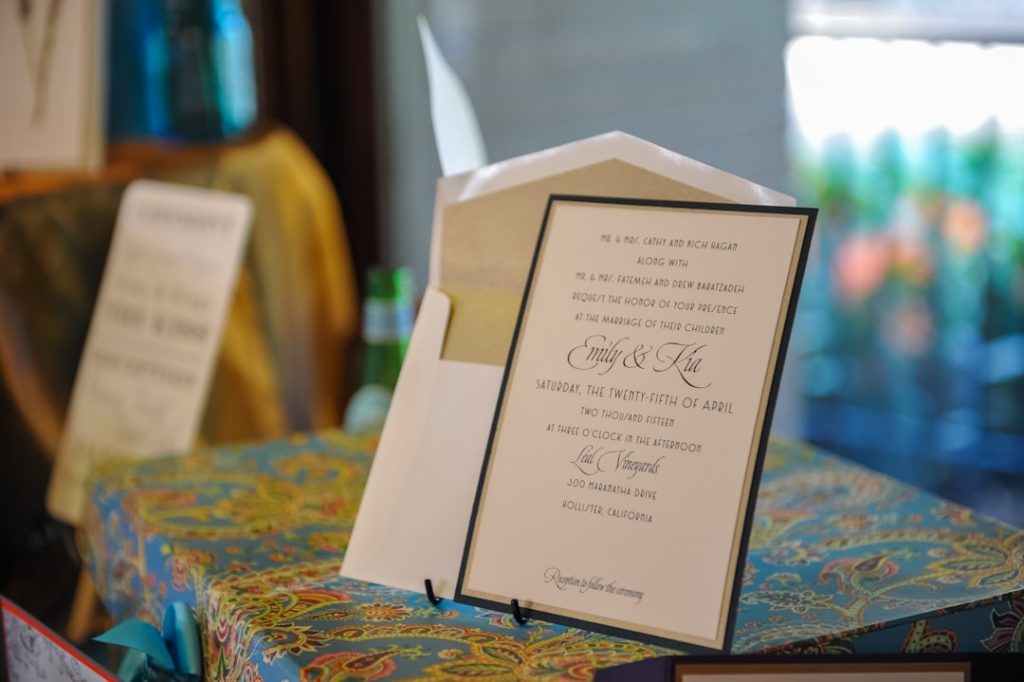
Collect dietary information early through your RSVP cards, which should include a section for guests to specify their requirements. This advance planning gives you and your caterers adequate time to prepare appropriate options. Accommodating dietary needs demonstrates thoughtfulness and ensures all guests feel valued and included, contributing to a positive experience for everyone attending your special day.
Key Takeaways
- Recognize and accommodate various dietary restrictions to ensure all guests enjoy the meal.
- Include diverse vegetarian, vegan, gluten-free, nut-free, halal, kosher, low-carb, and dairy-free options.
- Clearly label dishes to help guests easily identify safe and suitable foods.
- Collaborate with caterers to customize menus that respect cultural and health-related dietary needs.
- Prioritize inclusivity by offering a balanced variety of menu choices tailored to individual preferences.
Vegetarian and Vegan Options
When it comes to vegetarian and vegan options, the possibilities are endless. These dishes can be vibrant, flavorful, and visually stunning, making them a highlight of your wedding menu. Consider incorporating seasonal vegetables, grains, and legumes to create hearty and satisfying meals.
For instance, a roasted vegetable tart or a quinoa salad with fresh herbs can serve as a beautiful centerpiece on your buffet table. Don’t shy away from creativity! Think about unique flavor combinations that will surprise and delight your guests.
A vegan mushroom risotto made with creamy coconut milk or a stuffed bell pepper filled with spiced lentils can elevate your menu while ensuring that your vegetarian and vegan guests feel included. Additionally, offering a variety of appetizers, such as stuffed mushrooms or vegetable skewers, will allow everyone to mingle and enjoy delicious bites throughout the evening.
Gluten-Free and Celiac-Friendly Choices

Gluten-free options are essential for accommodating guests with celiac disease or gluten sensitivities. Fortunately, many delicious dishes can be crafted without gluten while still being satisfying and flavorful. Start by exploring naturally gluten-free ingredients like rice, quinoa, and fresh vegetables.
A colorful rice pilaf or a hearty vegetable stir-fry can be both appealing and safe for those avoiding gluten. When planning your menu, it’s crucial to communicate clearly with your caterer about cross-contamination risks. Ensure that they have experience in preparing gluten-free meals and can guarantee that these dishes are prepared in a safe environment.
You might also consider labeling gluten-free options at your reception to help guests easily identify what they can enjoy without concern. By taking these steps, you’ll create an inclusive dining experience that allows everyone to celebrate without hesitation.
Nut-Free and Allergy-Safe Dishes
Creating a nut-free menu is vital for guests with nut allergies, which can be severe and life-threatening. To ensure safety, it’s best to avoid nuts altogether in your wedding menu. Instead, focus on using seeds, such as sunflower or pumpkin seeds, which can add texture and flavor without the risk of allergies.
A refreshing seed-based pesto or a vibrant salad topped with roasted seeds can provide delicious alternatives. In addition to nuts, consider other common allergens like dairy, soy, and shellfish when planning your menu. Offering a variety of dishes that are free from these allergens will help create a safe environment for all guests.
Communicate with your caterer about the importance of allergy-safe options and ensure they understand the need for strict adherence to safety protocols. By prioritizing these considerations, you’ll foster an atmosphere of care and inclusivity on your special day.
Halal and Kosher Menu Ideas
If you have guests who observe halal or kosher dietary laws, it’s essential to incorporate menu options that align with their practices. For halal meals, focus on sourcing meat from reputable suppliers who adhere to halal standards. Dishes like grilled chicken marinated in spices or lamb kebabs served with fragrant rice can be both delicious and compliant.
For kosher meals, it’s important to work with a caterer experienced in preparing kosher food. This may involve separating meat and dairy dishes and ensuring all ingredients meet kosher guidelines. Consider offering a variety of vegetarian options alongside meat dishes to cater to all preferences.
A beautifully arranged charcuterie board featuring kosher cheeses and fresh fruits can serve as an elegant appetizer while respecting dietary laws. By thoughtfully considering these needs, you’ll create an inclusive dining experience that honors your guests’ traditions.
Low-Carb and Keto-Friendly Selections

As more people embrace low-carb and keto diets, offering options that cater to these preferences can be a thoughtful addition to your wedding menu. Focus on incorporating protein-rich foods like grilled meats, seafood, and eggs while minimizing starchy sides. A succulent herb-crusted salmon paired with sautéed greens can be both satisfying and compliant with low-carb diets.
Don’t forget about creative appetizers! Consider serving bite-sized portions of cheese platters or vegetable crudités with flavorful dips like guacamole or tzatziki. These options not only cater to low-carb diets but also provide a fresh and vibrant start to your meal.
By including low-carb selections, you’ll ensure that all guests feel considered and appreciated during your celebration.
Dairy-Free and Lactose Intolerant Options
Dairy-free options are essential for guests who are lactose intolerant or choose to avoid dairy for other reasons. Fortunately, there are many delicious alternatives available today that can easily replace traditional dairy ingredients without sacrificing flavor or texture. For example, using coconut milk in creamy sauces or almond milk in desserts can create delightful dishes that everyone can enjoy.
When planning your menu, consider offering dairy-free versions of popular items like mashed potatoes made with olive oil instead of butter or a rich chocolate cake made with dairy-free chocolate. Additionally, providing a variety of dairy-free appetizers will allow guests to indulge without worry. By thoughtfully incorporating these options into your wedding menu, you’ll create an inviting atmosphere where all guests feel welcome to savor every bite.
Customizing Your Wedding Menu
Customizing your wedding menu is an opportunity to reflect your personality as a couple while accommodating the diverse needs of your guests. Start by brainstorming dishes that hold special meaning for you both—perhaps a favorite meal from a memorable date or family recipes passed down through generations. This personal touch will make your menu feel unique and heartfelt.
Collaborate closely with your caterer to design a menu that balances flavors while considering dietary restrictions. Don’t hesitate to ask for tastings or adjustments until you find the perfect combination of dishes that resonate with you both. Additionally, consider creating a menu card for each table that highlights the various dietary options available; this not only informs guests but also adds an elegant touch to your reception decor.
Ultimately, planning an inclusive wedding menu is about more than just food; it’s about creating an experience where every guest feels valued and cared for. By thoughtfully considering dietary restrictions and customizing your offerings, you’ll set the stage for a beautiful celebration filled with love, laughter, and unforgettable memories shared around the table.
When planning a wedding, it’s essential to consider the diverse dietary needs of your guests to ensure everyone enjoys the celebration. For more insights on wedding preparations, you might find the article on what a bride needs on her wedding day particularly helpful, as it covers various aspects of wedding planning that can complement your menu choices.
FAQs
What are common dietary needs to consider for a wedding menu?
Common dietary needs to consider include vegetarian, vegan, gluten-free, dairy-free, nut-free, and allergy-specific requirements. Additionally, some guests may follow religious dietary restrictions such as kosher or halal.
How can I accommodate vegetarian and vegan guests at my wedding?
You can offer a variety of plant-based dishes that are flavorful and satisfying, such as vegetable risottos, stuffed mushrooms, or vegan pasta. Clearly label these options on the menu to ensure guests are aware.
What are some gluten-free wedding menu ideas?
Gluten-free options can include grilled meats, seafood, rice or quinoa salads, roasted vegetables, and gluten-free desserts like flourless chocolate cake or fruit sorbets.
How do I ensure food safety for guests with allergies?
Communicate with your caterer about all known allergies, avoid cross-contamination by using separate utensils and preparation areas, and clearly label dishes that contain common allergens like nuts, dairy, or shellfish.
Is it necessary to provide multiple menu options for different dietary needs?
While not mandatory, offering multiple menu options ensures all guests feel included and can enjoy the meal comfortably. It also demonstrates thoughtfulness and hospitality.
Can I have a single dish that caters to multiple dietary restrictions?
Yes, many dishes can be designed to be vegan, gluten-free, and nut-free simultaneously, such as a quinoa and roasted vegetable salad or a fruit-based dessert. Discuss options with your caterer to create inclusive dishes.
How should I communicate dietary options to my guests?
Include dietary information on the wedding invitation or RSVP cards, and provide clear menu descriptions at the event. You can also ask guests to specify dietary restrictions when they RSVP.
Are there specific cuisines that are more accommodating to dietary restrictions?
Certain cuisines like Mediterranean, Middle Eastern, and Indian often have naturally vegetarian, vegan, and gluten-free dishes, making them versatile choices for accommodating various dietary needs.
What are some dessert ideas for guests with dietary restrictions?
Consider offering fruit platters, sorbets, dairy-free cakes, or gluten-free cookies. Many bakeries now offer specialty desserts that cater to vegan, gluten-free, and allergy-friendly diets.
How far in advance should I inform the caterer about dietary needs?
It is best to inform your caterer as early as possible, ideally when finalizing the menu, to allow sufficient time for planning and sourcing appropriate ingredients.