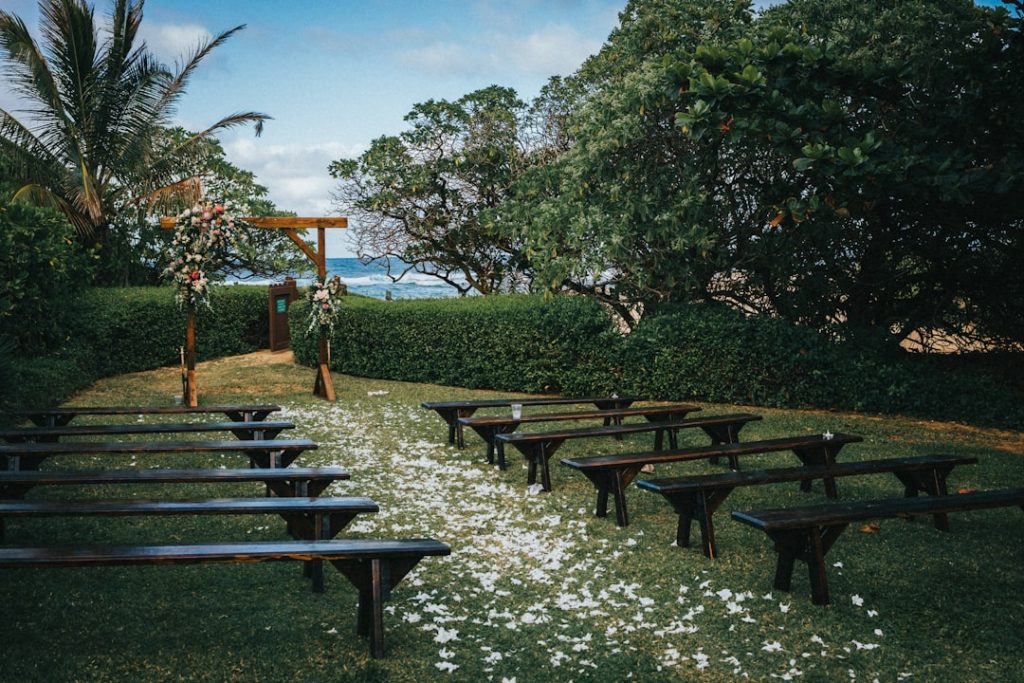
As you embark on the journey of planning your wedding, the first step is to truly understand your vision. Take a moment to reflect on what this day means to you. Is it an intimate gathering with close family and friends, or a grand celebration filled with laughter and joy?
Visualize the colors, themes, and overall vibe you want to create. This clarity will serve as your guiding star throughout the planning process. Consider creating a mood board or a digital collection of images that resonate with your ideas.
Pinterest is a fantastic tool for this, allowing you to gather inspiration from various sources. As you curate your collection, pay attention to the details that speak to you—whether it’s the elegance of a classic wedding dress, the warmth of candlelit tables, or the charm of rustic decor. This visual representation will not only help you articulate your vision to vendors but also keep you focused when making decisions.
Key Takeaways
- Clarify your event vision to guide all planning decisions.
- Establish a clear budget to narrow down venue choices.
- Prioritize location and accessibility for guest convenience.
- Compare venue options based on capacity, amenities, and services.
- Assess the atmosphere to ensure it aligns with your event’s tone before finalizing.
Setting Your Budget
Once you have a clear vision, it’s time to set a budget that aligns with it. Start by determining how much you can realistically spend without stretching your finances too thin. Consider all potential sources of funding, including contributions from family members or savings you’ve set aside.
It’s essential to be honest about your financial situation to avoid stress later on. Break down your budget into categories such as venue, catering, attire, and decor. This will help you allocate funds appropriately and prioritize what matters most to you.
For instance, if photography is a top priority, consider allocating a larger portion of your budget to that area while being more conservative with others. Remember, flexibility is key; if one area exceeds your expectations, you may need to adjust another to maintain balance.
Considering Location and Accessibility
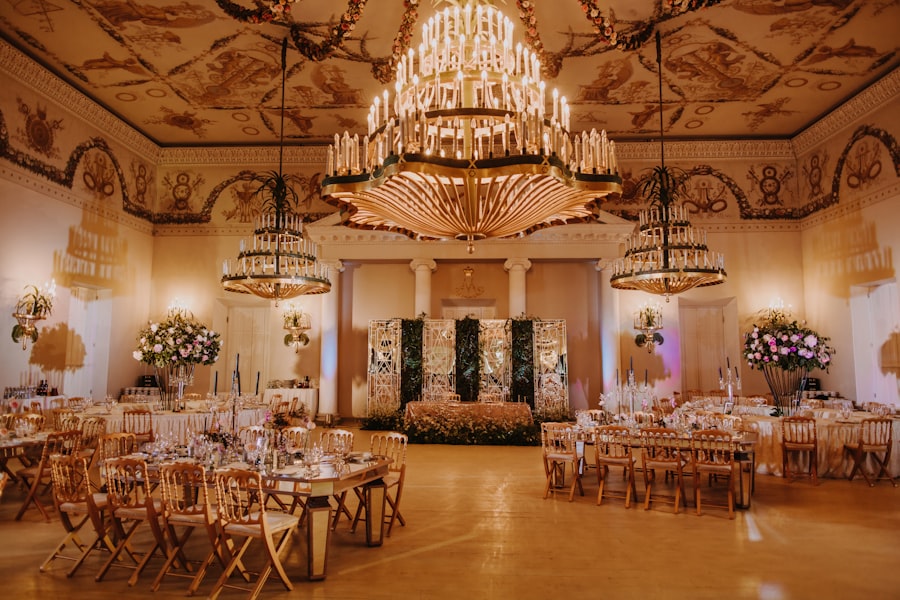
The location of your wedding plays a significant role in shaping the overall experience for both you and your guests. Think about where you envision saying “I do.” Is it a picturesque beach, a charming vineyard, or perhaps a historic mansion? Each location offers its own unique charm and ambiance, so choose one that resonates with your vision.
Accessibility is another crucial factor to consider. Ensure that your chosen venue is convenient for your guests, especially those traveling from out of town. Look into nearby accommodations and transportation options.
Providing clear directions and information about parking can alleviate stress for your guests and make their experience more enjoyable. Remember, the easier it is for them to attend, the more likely they are to celebrate with you.
Exploring Different Venue Options
With your vision and budget in mind, it’s time to explore different venue options. Start by researching local venues that align with your aesthetic and logistical needs. Visit each location in person if possible; seeing the space firsthand can spark inspiration and help you envision how your wedding will unfold.
Consider the versatility of each venue. Some spaces may offer indoor and outdoor options, allowing for flexibility in case of inclement weather. Additionally, think about how the layout will accommodate your ceremony and reception seamlessly.
A venue that flows well can enhance the overall experience for both you and your guests, making transitions smooth and enjoyable.
Assessing Capacity and Accommodations
As you narrow down your venue choices, assessing capacity becomes essential. Make a list of everyone you plan to invite and ensure that the venue can comfortably accommodate them. A space that feels too cramped can dampen the atmosphere, while one that’s too large may feel empty.
Accommodations for guests are also worth considering. If many of your loved ones are traveling from afar, look for venues that offer on-site lodging or are close to hotels. This convenience can make a significant difference in their experience and reduce logistical challenges for you as well.
Factoring in Amenities and Services

When evaluating potential venues, take note of the amenities and services they offer. Some venues provide in-house catering, while others may require you to hire external vendors. Understanding what’s included in the rental fee can help you make informed decisions about where to allocate your budget.
Additionally, consider whether the venue has tables, chairs, linens, and other essentials available for use. This can save you time and money in the long run. If the venue allows for customization, think about how you can personalize the space to reflect your style—whether through decor, lighting, or unique seating arrangements.
Evaluating the Overall Atmosphere
The atmosphere of a venue can significantly impact the mood of your wedding day. As you visit potential locations, pay attention to how each space makes you feel. Does it evoke joy and excitement?
Is it warm and inviting? The right atmosphere will resonate with both you and your guests, creating lasting memories. Consider how the venue’s design elements align with your vision.
Are there architectural features that enhance its charm? Does it have natural light that creates a romantic ambiance? These details contribute to the overall experience and should align with the feelings you want to evoke on your special day.
Finalizing Your Decision
After careful consideration of all these factors, it’s time to finalize your decision. Trust your instincts; if a venue feels right, it likely is. Don’t hesitate to revisit your top choices if needed—sometimes seeing them again can provide clarity.
Once you’ve made your choice, celebrate this milestone! You’re one step closer to bringing your dream wedding to life. Reach out to the venue to secure your date and begin discussing next steps.
Remember that this is just one part of a beautiful journey ahead; stay focused on what truly matters—celebrating love with those who mean the most to you. Planning a wedding can feel overwhelming at times, but by breaking it down into manageable steps and staying true to your vision, you’ll create an unforgettable day that reflects who you are as a couple. Embrace this exciting time in your life; every decision brings you closer to saying “I do.”
When planning a wedding, selecting the perfect venue is crucial to creating the desired atmosphere and experience for the couple and their guests. For additional insights on making the day special, you might find it helpful to read about ways to make a bride feel cherished on her big day in this article: How Do You Make a Bride Feel Special on Her Day?. This resource offers thoughtful suggestions that can complement your venue choice and enhance the overall celebration.
FAQs
What factors should I consider when choosing a wedding venue?
When choosing a wedding venue, consider the location, capacity, budget, availability, style, and amenities offered. Also, think about the convenience for guests, parking, and any restrictions the venue may have.
How far in advance should I book a wedding venue?
It is recommended to book your wedding venue at least 9 to 12 months in advance to ensure availability, especially if you are planning your wedding during peak seasons.
What questions should I ask when touring a wedding venue?
Ask about the venue’s capacity, rental fees, what is included in the package, catering options, vendor restrictions, cancellation policies, and any additional costs such as cleaning or overtime fees.
Can I bring my own vendors to the wedding venue?
Some venues allow you to bring your own vendors, while others require you to use their preferred or in-house vendors. Always check the venue’s policy on outside vendors before booking.
How do I determine the right size venue for my wedding?
Choose a venue that comfortably accommodates your guest list with some extra space for dancing, dining, and other activities. Avoid venues that are too large or too small to ensure guest comfort.
What should I know about venue contracts?
Read the contract carefully, paying attention to payment schedules, cancellation policies, liability insurance, and any restrictions. Make sure all verbal agreements are included in writing.
Are outdoor wedding venues a good option?
Outdoor venues can be beautiful and unique but consider weather contingencies, accessibility, and permits. It’s important to have a backup plan in case of bad weather.
How important is the venue’s location?
The location is important for guest convenience and travel costs. Consider proximity to accommodations, transportation options, and whether the venue fits the overall theme of your wedding.
What amenities should a wedding venue provide?
Common amenities include tables and chairs, sound systems, lighting, parking, restrooms, and dressing rooms. Some venues also offer catering, event coordination, and decoration services.
Can the venue accommodate special needs or accessibility requirements?
Many venues are equipped to accommodate guests with disabilities, but it’s important to confirm accessibility features such as ramps, elevators, and accessible restrooms before booking.