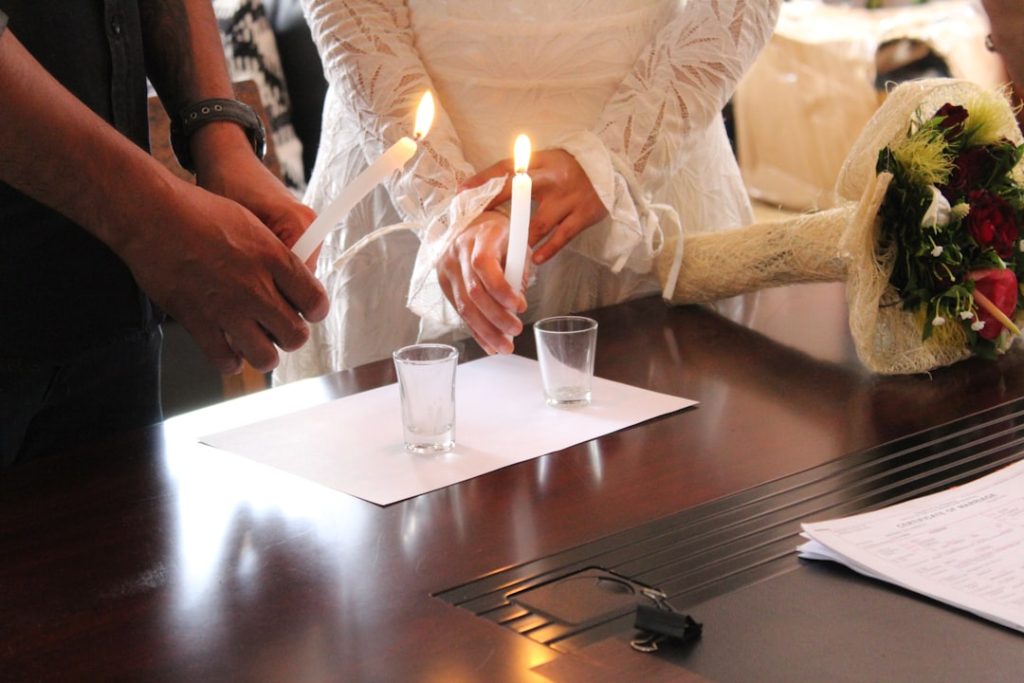
Wedding vows function as formal declarations of commitment exchanged between partners during marriage ceremonies. These spoken promises serve multiple purposes: they establish legal and emotional bonds, communicate intentions to witnesses, and document the couple’s mutual obligations and expectations for their marriage. The primary function of wedding vows is to create a public record of commitment.
Couples use this opportunity to articulate their promises regarding support, fidelity, and partnership. The vows typically address how partners intend to navigate challenges, maintain their relationship, and honor their responsibilities to one another throughout their marriage. Wedding vows can follow traditional formats established by religious or cultural institutions, or couples may compose personalized versions.
Traditional vows often include standardized language about love, honor, and commitment “in sickness and in health” and “for better or worse.” Personalized vows allow couples to address specific aspects of their relationship, shared values, or individual circumstances. Regardless of format, wedding vows serve as the foundational agreement that defines the marriage contract and establishes expectations for the partnership.
Key Takeaways
- Wedding vows should reflect the couple’s unique relationship and commitment.
- Personalizing vows with meaningful stories or promises makes them more impactful.
- Modern vows can draw inspiration from various sources while respecting tradition.
- Effective vows balance heartfelt emotion with appropriate length and tone.
- Practicing and revising vows helps deliver them confidently and sincerely.
Incorporating Personalized Elements into Your Vows
Personalization is key when it comes to writing wedding vows that truly reflect your relationship. Think about the moments that define your journey together—those little quirks, shared experiences, and inside jokes that make your bond special. By weaving these elements into your vows, you create a narrative that is distinctly yours.
For instance, if you both share a love for travel, consider mentioning how you promise to explore the world together, creating memories in every corner of the globe. Another way to personalize your vows is by referencing specific qualities you admire in your partner. Perhaps it’s their unwavering support during tough times or their infectious laughter that brightens your day.
Highlighting these traits not only makes your vows more meaningful but also shows your partner how much you appreciate them. Remember, this is a chance to celebrate your love story, so don’t shy away from expressing what makes your relationship unique.
Finding Inspiration for Modern Vows
Finding inspiration for modern wedding vows can be both exciting and daunting. Start by reflecting on what love means to you and how it has evolved throughout your relationship. You might find inspiration in poetry, song lyrics, or even quotes from books that resonate with your journey together.
Consider jotting down phrases or sentiments that speak to you; these can serve as building blocks for your vows. Additionally, don’t hesitate to look at examples from other couples who have shared their vows online or in wedding magazines. While it’s important to ensure your vows are original, seeing how others have expressed their feelings can spark ideas for your own writing.
You might discover a particular style or tone that resonates with you—whether it’s heartfelt and romantic or light-hearted and humorous. Use these inspirations as a guide to help shape your own voice as you craft something truly personal.
Writing Tips for Crafting Meaningful Vows
When it comes to writing meaningful wedding vows, clarity and sincerity are paramount. Start by brainstorming the key points you want to include—your promises, feelings, and any anecdotes that illustrate your love story. Once you have these ideas down, begin crafting sentences that flow naturally.
Aim for a conversational tone; this will help convey authenticity and make it easier for you to deliver them on the big day. As you write, remember to keep it concise. While it’s tempting to include every detail of your relationship, focus on the most significant aspects that capture the essence of your love.
A few well-chosen words can often convey more than lengthy paragraphs. Don’t forget to read your vows aloud as you write; this will help you gauge how they sound and feel when spoken. Adjust any phrases that don’t resonate or flow smoothly until you find the perfect rhythm.
Balancing Tradition and Modernity in Vow Writing
Striking a balance between tradition and modernity in your wedding vows can create a beautiful blend that honors both your values and personal style. If you appreciate the sentiment behind traditional vows but want to infuse them with a contemporary twist, consider starting with classic phrases and then adding personal touches that reflect your relationship. For example, you might begin with “I promise to love you” and follow it with specific commitments that are meaningful to both of you.
It’s also essential to consider the cultural or familial traditions that may influence your vow writing. If there are specific elements that hold significance for you or your partner’s family, think about how you can incorporate them while still maintaining a modern feel. This could mean adapting traditional language to fit your voice or including rituals that resonate with both of you.
Ultimately, the goal is to create vows that feel authentic while honoring the legacy of love that has come before you.
Considering the Length and Tone of Your Vows
The length and tone of your wedding vows play a crucial role in how they are received by both your partner and guests. Generally, aim for vows that are around one to two minutes long when spoken aloud—this allows for enough depth without losing the audience’s attention. A concise delivery ensures that each word carries weight and meaning, making it easier for everyone present to connect with what you’re saying.
As for tone, think about what feels right for both of you as a couple. If humor is a significant part of your relationship, don’t hesitate to incorporate light-hearted moments into your vows. Conversely, if you prefer a more serious tone, focus on heartfelt promises and deep emotions.
Whatever tone you choose, ensure it reflects who you are as individuals and as partners. This authenticity will resonate with everyone present and create an unforgettable moment during your ceremony.
Practicing and Revising Your Vows
Once you’ve drafted your vows, it’s time to practice delivering them. Reading them aloud multiple times will help you become comfortable with the words and allow you to identify any areas that may need revision. Pay attention to how they sound when spoken; sometimes phrases that look great on paper may feel awkward when voiced.
Don’t hesitate to make adjustments until they flow naturally. Consider sharing your vows with a trusted friend or family member who can provide constructive feedback. They may offer insights on clarity or emotional impact that can enhance your final version.
Remember, this is a personal journey; while feedback is valuable, ensure that the final product remains true to your voice and feelings. As the big day approaches, continue practicing until you feel confident in delivering them with sincerity and emotion.
Presenting Your Vows with Confidence and Emotion
On the day of your wedding, presenting your vows with confidence is key to making the moment truly memorable. Take a deep breath before speaking; this simple act can help calm any nerves and ground you in the moment. As you look into your partner’s eyes while reciting your vows, allow yourself to feel the emotions behind each word—this connection will enhance the sincerity of what you’re saying.
Don’t be afraid to let your emotions show; tears of joy or laughter can add depth to the moment. Remember that everyone present is there to support and celebrate your love story, so embrace the vulnerability of sharing such personal promises. If you stumble over a word or lose track of where you are, take a moment to pause and collect yourself—your guests will appreciate the authenticity of the moment more than perfection.
In conclusion, crafting wedding vows is an intimate process that allows you to express the depth of your love in a way that feels true to who you are as a couple. By understanding their purpose, incorporating personalized elements, finding inspiration, balancing tradition with modernity, considering length and tone, practicing diligently, and presenting them confidently on the big day, you’ll create a heartfelt declaration that resonates not only with each other but also with everyone who witnesses this beautiful commitment. Embrace this journey; it’s an essential part of celebrating the love you’ve built together as you step into this new chapter of life hand in hand.
If you’re looking for inspiration to craft the perfect wedding vows, you might find it helpful to explore some related articles that offer unique insights and tips. For instance, check out this article on how to make a groom feel special on his wedding day, which can provide context and emotional depth to your vows: How to Make a Groom Feel Special on His Wedding Day. This resource can help you understand the sentiments that resonate with grooms, allowing you to tailor your vows to create a more meaningful and personal experience.
FAQs
What are modern wedding vows?
Modern wedding vows are personalized promises exchanged between partners during a wedding ceremony. Unlike traditional vows, they often reflect the couple’s unique relationship, values, and personalities, incorporating contemporary language and sentiments.
How can I start writing my own wedding vows?
Begin by reflecting on your relationship, what your partner means to you, and the promises you want to make. Consider writing down key memories, qualities you admire, and hopes for your future together. Starting with a meaningful quote or a personal story can also help set the tone.
What should I include in my wedding vows?
Typical elements include a declaration of love, personal anecdotes or qualities you appreciate about your partner, promises or commitments you intend to uphold, and a closing statement expressing your dedication and hopes for your shared future.
How long should wedding vows be?
Wedding vows typically last between one to two minutes when spoken aloud. This usually translates to about 100 to 200 words, allowing enough time to express meaningful sentiments without losing the audience’s attention.
Can I use humor in my wedding vows?
Yes, incorporating humor can make your vows feel more personal and engaging. However, it’s important to balance humor with sincerity to maintain the emotional significance of the moment.
Should both partners write their own vows?
While it’s common for each partner to write their own vows to express individual feelings, some couples choose to write joint vows or use traditional vows. The choice depends on personal preference and the style of the ceremony.
How do I practice delivering my wedding vows?
Practice reading your vows aloud several times to become comfortable with the words and pacing. Consider rehearsing in front of a mirror or with a trusted friend to gain confidence and ensure clear delivery during the ceremony.
Is it okay to read my vows during the ceremony?
Yes, many couples choose to read their vows to ensure they don’t forget any important points. Using a small, neatly written or printed card can help you stay on track while maintaining eye contact with your partner.
Where can I find inspiration for modern wedding vows?
Inspiration can come from various sources such as poetry, literature, song lyrics, movies, or personal experiences. Online vow examples, wedding blogs, and vow writing guides can also provide helpful ideas and templates.
Can wedding vows be religious or secular?
Wedding vows can be either religious or secular, depending on the couple’s beliefs and preferences. Many modern couples blend traditional religious elements with personal, secular promises to create meaningful vows that resonate with both partners.