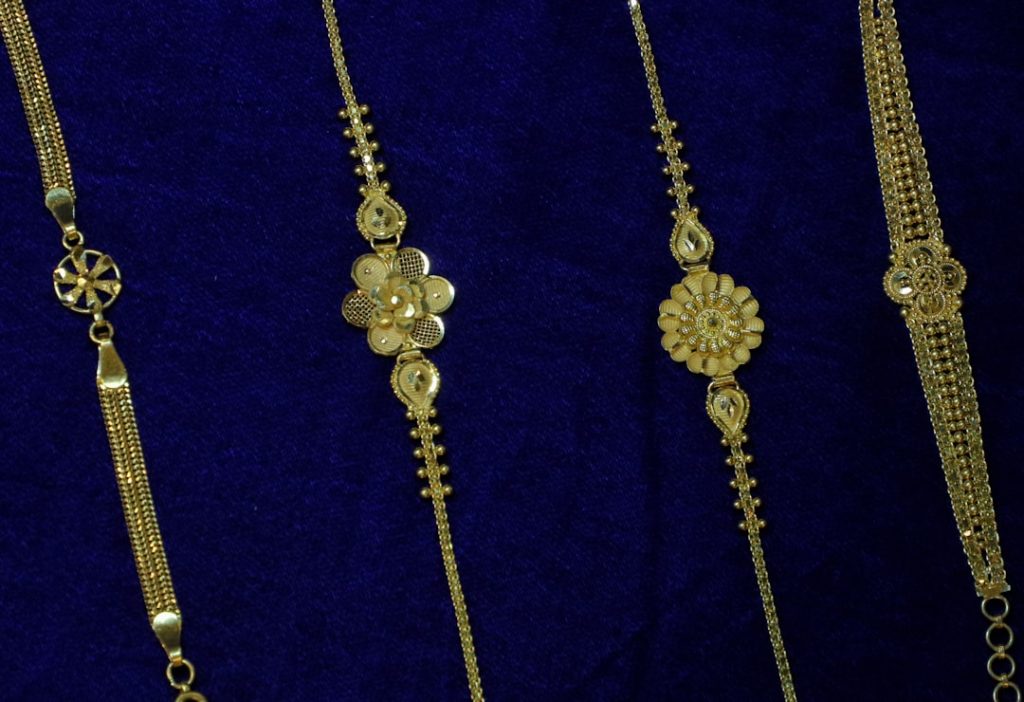
When you think about a wedding, one of the first images that comes to mind is the attire worn by the couple and their guests. Traditional attire plays a significant role in many cultures, serving as a visual representation of heritage and identity. As you prepare for your special day, consider how incorporating traditional garments can enhance the overall experience.
Whether it’s a vibrant lehenga, a classic kimono, or a tailored kilt, these outfits tell a story that connects you to your roots. Wearing traditional attire not only honors your ancestry but also allows you to express your individuality on one of the most important days of your life. Moreover, traditional attire often comes with rich symbolism and meaning.
Each piece may be adorned with intricate embroidery or specific colors that hold cultural significance. For instance, in many cultures, red symbolizes prosperity and happiness, making it a popular choice for brides. As you select your wedding attire, think about how these elements resonate with your personal story and the narrative you wish to convey.
By embracing traditional clothing, you create a beautiful tapestry of culture and love that will be remembered for generations to come.
Traditional Ceremonial Practices
As you embark on the journey of planning your wedding, it’s essential to delve into the traditional ceremonial practices that can enrich your celebration. These rituals often serve as a bridge between the past and the present, allowing you to honor your heritage while creating new memories. From the lighting of candles to the exchange of vows, each ceremony carries its own significance and can be tailored to reflect your unique relationship.
By incorporating these practices, you not only pay homage to your ancestors but also invite your loved ones to participate in a shared experience that transcends time. In many cultures, specific rituals are performed to bless the union and ensure a prosperous future. For example, in some African traditions, the couple may partake in a unity ceremony where they blend different colored sands or oils, symbolizing their coming together as one.
Similarly, in Hindu weddings, the Saptapadi involves taking seven steps together, each representing a vow that strengthens the bond between partners. As you explore these ceremonial practices, consider how they resonate with your values and beliefs. By weaving these traditions into your wedding day, you create a meaningful narrative that celebrates both your love and your cultural heritage.
Cultural Music and Dance
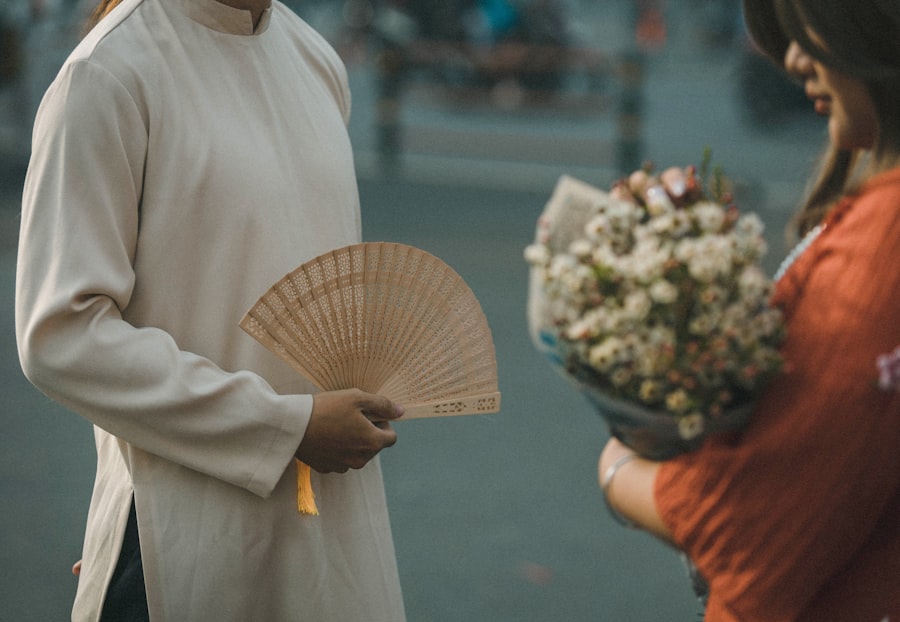
No wedding celebration is complete without music and dance, which serve as powerful expressions of joy and unity. As you plan your special day, think about how cultural music can elevate the atmosphere and create lasting memories for you and your guests. From traditional folk songs to contemporary interpretations, incorporating music that reflects your heritage can set the tone for the entire event.
Imagine walking down the aisle to a beautiful rendition of a classic love song from your culture or having live musicians perform during the reception, creating an immersive experience that resonates with everyone present. Dance is another integral part of many cultural weddings, often symbolizing celebration and togetherness. You might consider including traditional dances that reflect your background, inviting guests to join in and share in the joy of the occasion.
Whether it’s a lively hora or an elegant waltz, these dances create an atmosphere of camaraderie and connection. As you curate your wedding playlist and plan for dance performances, think about how these elements can bring people together, fostering an environment of love and celebration that will be cherished long after the last song has played.
Traditional Cuisine and Food
Food is often considered the heart of any celebration, and weddings are no exception. As you plan your menu, think about how traditional cuisine can play a pivotal role in honoring your cultural heritage. Each dish tells a story and evokes memories of family gatherings and celebrations from years past.
By incorporating traditional foods into your wedding feast, you not only provide a delicious experience for your guests but also create an opportunity to share a piece of your culture with them. Imagine serving dishes that have been passed down through generations, each bite filled with history and love. Moreover, traditional cuisine can also be a way to showcase regional flavors and ingredients that are unique to your culture.
Whether it’s spicy curries, savory dumplings, or sweet pastries, each dish can reflect the diversity of culinary traditions within your background. Consider collaborating with local chefs who specialize in traditional cooking methods to ensure authenticity in every bite. By prioritizing traditional cuisine at your wedding, you create an unforgettable dining experience that celebrates both your love story and your cultural roots.
Symbolic Rituals and Customs
As you navigate through the myriad details of planning your wedding, don’t overlook the importance of symbolic rituals and customs that can add depth to your celebration. These practices often carry profound meanings that resonate with both you and your families. For instance, many cultures have specific rituals designed to ward off evil spirits or bless the couple with prosperity and happiness.
By incorporating these customs into your ceremony, you not only honor tradition but also invite positive energy into your new life together. Additionally, symbolic rituals can serve as beautiful moments during the ceremony that engage both you and your guests. Consider including elements such as handfasting, where the couple’s hands are tied together to symbolize their union, or a tree-planting ceremony that represents growth and nurturing in marriage.
These rituals create opportunities for reflection and connection among everyone present, allowing them to witness the sacredness of your commitment. As you explore various customs from your culture, think about how they can enhance the emotional resonance of your wedding day.
Traditional Wedding Decor
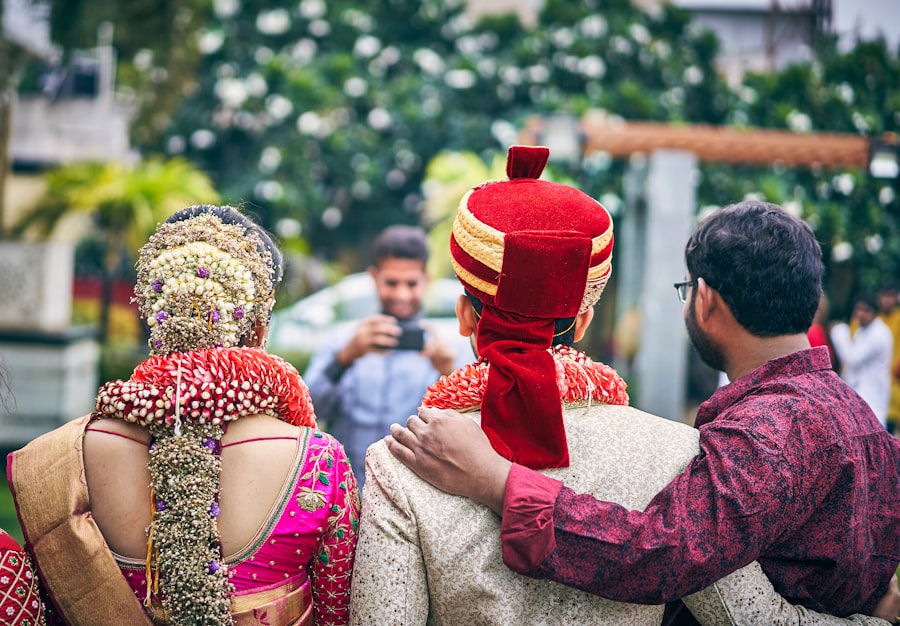
The decor at your wedding sets the stage for the entire event, creating an ambiance that reflects both your personality and cultural heritage. As you plan this aspect of your celebration, consider incorporating traditional elements that resonate with your background. From intricate textiles to handcrafted centerpieces, these decorative choices can evoke a sense of nostalgia while adding beauty to your special day.
Imagine walking into a venue adorned with vibrant colors and patterns that tell a story about where you come from. In addition to visual appeal, traditional decor can also serve as conversation starters among guests who may be unfamiliar with certain cultural elements. For example, using traditional motifs or symbols in table settings can spark discussions about their meanings and significance within your culture.
You might also consider incorporating family heirlooms or artifacts into your decor as a way to honor those who came before you. By thoughtfully curating your wedding decor with traditional elements, you create an inviting atmosphere that celebrates both love and heritage.
Cultural Wedding Favors and Gifts
As you express gratitude to your guests for sharing in your special day, consider offering cultural wedding favors that reflect your heritage. These tokens serve as meaningful reminders of the celebration while allowing guests to take home a piece of your culture. From handmade crafts to traditional sweets, there are countless options available that can leave a lasting impression on those who attended.
Imagine gifting beautifully packaged spices or artisanal soaps that showcase local craftsmanship—each favor tells a story about where you come from. Moreover, cultural wedding favors can also serve as an opportunity for education and connection among guests from different backgrounds. Including a small note explaining the significance of each favor can spark curiosity and conversation about traditions that may be unfamiliar to some attendees.
This thoughtful gesture not only enhances their experience but also fosters appreciation for diversity within the celebration. By choosing meaningful cultural favors for your wedding, you create lasting memories while honoring both love and heritage.
Honoring Ancestral Traditions
As you embark on this new chapter in life, it’s essential to take time to honor ancestral traditions that have shaped who you are today. Your wedding is not just a celebration of love; it’s also an opportunity to pay tribute to those who came before you—their values, beliefs, and customs have paved the way for this momentous occasion. Consider incorporating elements from family traditions into your ceremony or reception as a way to acknowledge their influence on your journey together.
You might choose to include family members in specific roles during the ceremony or incorporate ancestral blessings into the vows exchanged between partners. Additionally, sharing stories about family traditions during speeches or through visual displays can create an emotional connection among guests while celebrating shared heritage. By honoring ancestral traditions at your wedding, you create a rich tapestry woven with love—a testament not only to your relationship but also to the legacy of those who have shaped it along the way.
In conclusion, as you plan for one of life’s most significant milestones—your wedding—consider how incorporating elements from traditional attire, ceremonial practices, music and dance, cuisine, rituals, decor, favors, and ancestral traditions can enrich this experience. Each aspect serves as an opportunity to celebrate not only your love but also the cultural heritage that has shaped who you are today. By weaving these elements into your special day, you create lasting memories filled with meaning—a beautiful reflection of both love and tradition that will resonate for years to come.