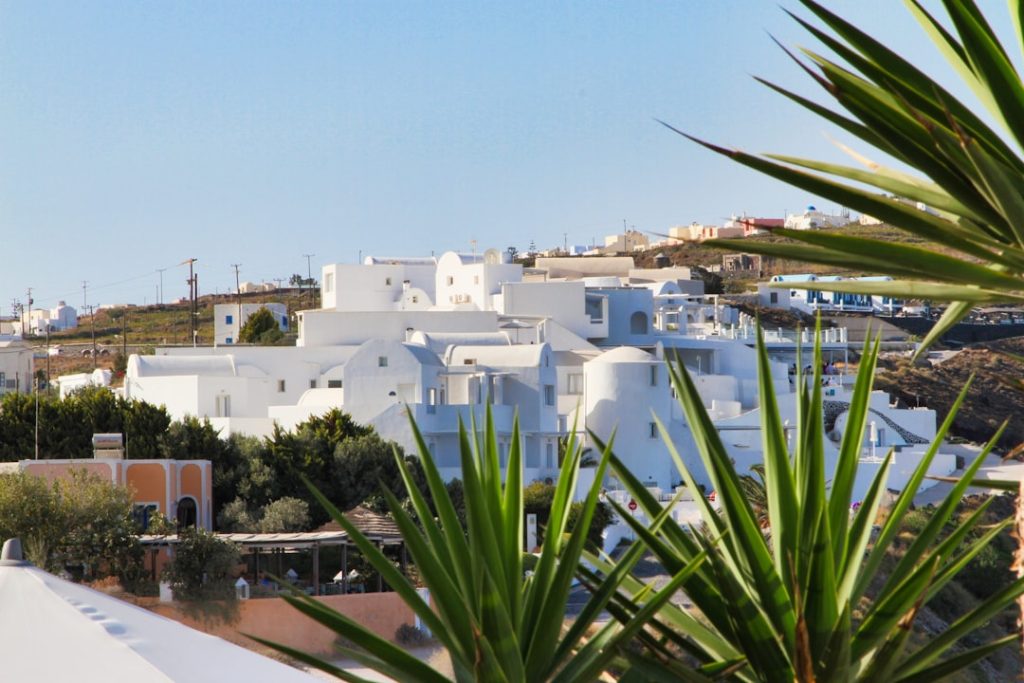
Selecting the ideal destination for your wedding is one of the most exciting yet daunting tasks you’ll face. Picture this: a sun-kissed beach, a charming vineyard, or a historic castle. The possibilities are endless, and each location offers its own unique charm.
Start by considering what resonates with you and your partner. Do you envision an intimate ceremony surrounded by nature, or a grand celebration in a bustling city? Think about the atmosphere you want to create and how it reflects your love story.
Once you have a vision in mind, consider the practical aspects. Accessibility is key; ensure that your chosen destination is convenient for your guests. Research the best times of year to visit, as weather can greatly impact your plans.
If you’re leaning towards a tropical paradise, for instance, avoid hurricane season. Additionally, think about the activities available for your guests. A destination that offers local attractions can turn your wedding into a mini-vacation for everyone involved, making it a memorable experience beyond just the ceremony.
Key Takeaways
- Selecting a destination that aligns with your vision and guest convenience is crucial.
- Choosing a venue that fits your style and capacity needs sets the event’s tone.
- Partnering with reliable vendors ensures quality and smooth execution.
- Establishing a clear budget helps manage expenses and avoid overspending.
- Integrating local culture enriches the experience and creates memorable moments.
Finding the Right Venue
With your destination selected, it’s time to find the perfect venue that aligns with your vision. The venue sets the tone for your entire wedding day, so take your time exploring options. Consider whether you prefer an indoor or outdoor setting, and how each space can accommodate your guest list.
A garden can provide a romantic backdrop, while a rustic barn might offer a cozy, intimate feel. When visiting potential venues, pay attention to the details. Imagine how your decor will complement the space and how the layout will facilitate the flow of your event.
Don’t hesitate to ask questions about their services and restrictions. Some venues may have preferred vendor lists or specific rules regarding decor and catering. Understanding these details upfront can save you from unexpected surprises later on.
Selecting the Best Vendors
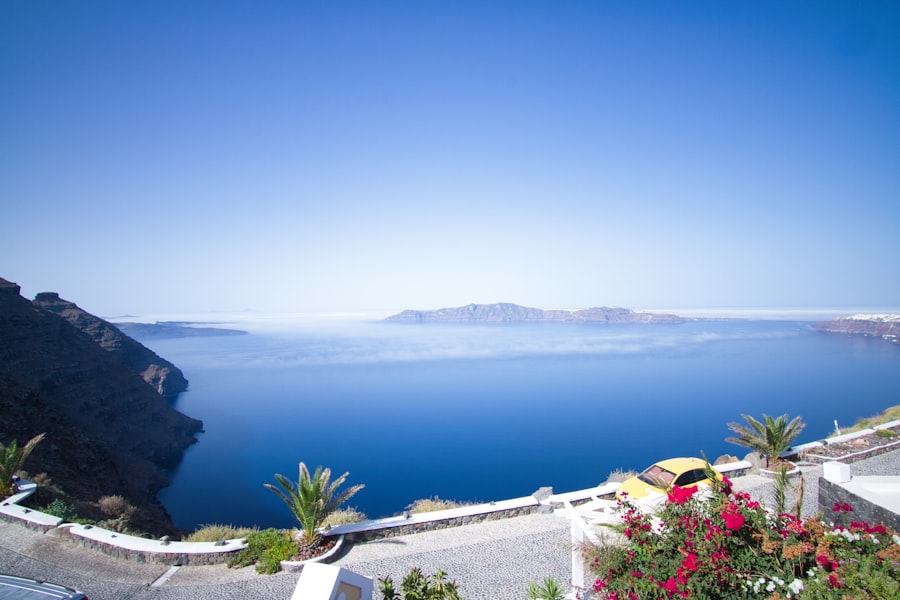
Choosing the right vendors is crucial to bringing your wedding vision to life. Start by identifying what services you need—photography, catering, floral design, and entertainment are just a few examples. Research local vendors in your chosen destination and read reviews from previous clients.
Personal recommendations can also be invaluable; ask friends or family who have recently planned weddings for their insights. Once you’ve narrowed down your options, schedule meetings or consultations with potential vendors. This is your chance to gauge their personality and see if they align with your vision.
A good vendor will not only be skilled in their craft but will also understand your needs and preferences. Trust your instincts; if you feel a connection with someone, it’s likely they will understand your vision better than someone who doesn’t resonate with you.
Creating a Budget
Establishing a budget is one of the most important steps in planning your wedding. It’s essential to have a clear understanding of what you can afford before diving into details. Start by listing all potential expenses, including venue costs, catering, attire, and decor.
Be realistic about what each element will cost and prioritize what matters most to you. Once you have a comprehensive list, allocate funds accordingly. It’s wise to set aside a contingency fund for unexpected expenses that may arise during planning.
Remember that flexibility is key; if you find that one area is costing more than anticipated, consider adjusting another aspect of your budget to accommodate it. Keeping an open line of communication with your partner throughout this process will help ensure that both of you feel comfortable with financial decisions.
Managing Guest Accommodations
When planning a destination wedding, managing guest accommodations is crucial for ensuring everyone has a pleasant experience. Start by researching hotels or rental properties near your venue that can accommodate your guests comfortably. Consider creating a block of rooms at a hotel to secure group rates and make booking easier for everyone.
Communicate clearly with your guests about accommodation options and provide them with all necessary information well in advance. This includes details about transportation from the hotel to the venue and any group activities planned around the wedding day. By being proactive in managing accommodations, you’ll help alleviate stress for both yourself and your guests.
Planning Travel Logistics
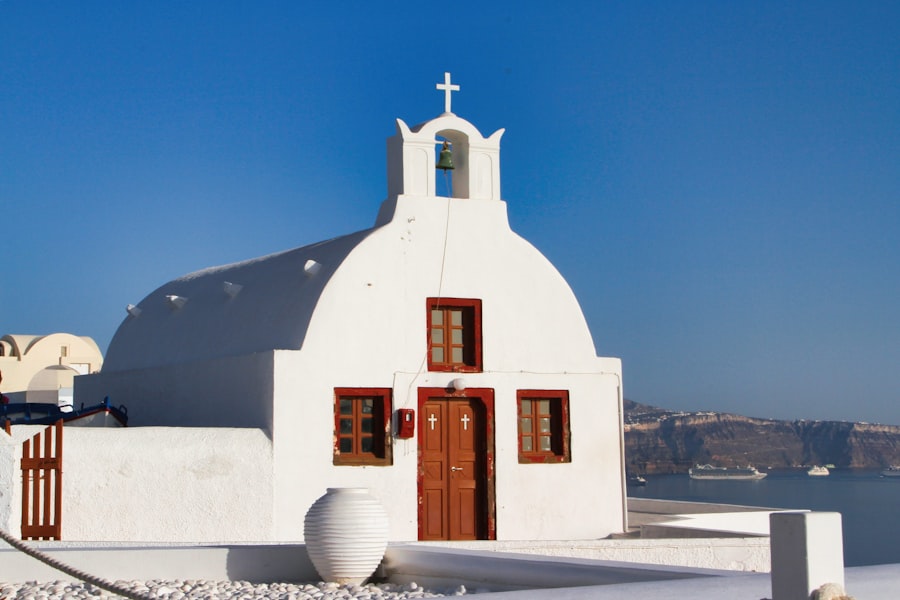
Travel logistics can be one of the more complex aspects of planning a destination wedding, but with careful organization, it can be manageable. Start by considering how guests will travel to your chosen location. If many are flying in, provide them with information about nearby airports and transportation options from the airport to their accommodations.
Additionally, think about transportation on the wedding day itself. Will you need shuttles to transport guests from their hotels to the venue? If so, research local transportation companies that can accommodate your needs.
Providing clear instructions and schedules will help ensure that everyone arrives on time and feels taken care of throughout the process.
Designing the Perfect Itinerary
Creating a well-structured itinerary is essential for keeping everything on track during your wedding weekend. Start by outlining key events leading up to the big day—rehearsals, welcome dinners, and any other gatherings you plan to host for guests. This not only helps you stay organized but also gives guests a clear understanding of what to expect.
On the day of the wedding, share a detailed timeline with your bridal party and vendors so everyone knows their roles and responsibilities. Include important details such as when hair and makeup will begin, when transportation will arrive, and when the ceremony is set to start. A well-planned itinerary allows you to enjoy each moment without worrying about what comes next.
Incorporating Local Culture and Traditions
One of the most beautiful aspects of a destination wedding is the opportunity to incorporate local culture and traditions into your celebration. Research customs or rituals that are unique to your chosen location and consider how they might enhance your ceremony or reception. This could be anything from traditional music to local cuisine that reflects the area’s heritage.
Incorporating these elements not only enriches your wedding experience but also creates lasting memories for you and your guests. It’s a wonderful way to honor the place where you’re tying the knot while also sharing something special with those who have traveled to celebrate with you. Embrace the local culture; it can add depth and meaning to your special day.
Planning a destination wedding may seem overwhelming at times, but remember that each step brings you closer to creating a day that reflects your love story beautifully. By choosing the right destination, venue, vendors, and incorporating local traditions, you’ll craft an unforgettable experience for both yourself and your guests. Embrace this journey with joy and excitement; after all, it’s not just about the wedding day—it’s about celebrating love in all its forms.
When planning a destination wedding, it’s essential to consider the latest trends to ensure a memorable experience for you and your guests. For inspiration, check out this article on popular wedding trends for winter weddings, which offers creative ideas that can be adapted to any destination. By incorporating these trends, you can create a unique and stress-free celebration that reflects your personal style while also delighting your guests.
FAQs
What is a destination wedding?
A destination wedding is a wedding ceremony held in a location away from the couple’s hometown, often in a scenic or exotic place, combining the wedding and honeymoon in one trip.
How can I plan a stress-free destination wedding?
To plan a stress-free destination wedding, start early, hire a local wedding planner, keep the guest list small, choose an all-inclusive venue, and communicate clearly with vendors and guests.
What are some popular destination wedding locations?
Popular destination wedding locations include tropical beaches like Hawaii, the Caribbean, Mexico, as well as European cities such as Italy, France, and Greece, and scenic spots like mountain resorts.
How far in advance should I book a destination wedding?
It is recommended to book a destination wedding at least 9 to 12 months in advance to secure venues, accommodations, and vendors, and to give guests ample time to make travel arrangements.
What are the benefits of hiring a local wedding planner for a destination wedding?
A local wedding planner has knowledge of the area, vendor contacts, and can handle logistics, language barriers, and legal requirements, making the planning process smoother and less stressful.
How can I keep costs down for a destination wedding?
To reduce costs, consider having a smaller guest list, choose off-season dates, select venues that offer packages, and limit extras like elaborate décor or entertainment.
What legal requirements should I be aware of for a destination wedding?
Legal requirements vary by country and may include residency periods, specific documents, or marriage licenses. It is important to research the destination’s marriage laws or consult with a local planner.
How can I ensure my guests have a good experience at a destination wedding?
Provide guests with detailed travel information, accommodation options, and itinerary plans. Consider organizing group activities and welcome events to enhance their experience.
Is it necessary to have a rehearsal for a destination wedding?
While not always required, a rehearsal can help ensure everyone knows their roles and timing, especially if the wedding involves complex logistics or multiple vendors.
What should I pack for a destination wedding?
Pack wedding attire, necessary documents, travel essentials, and any special items needed for the ceremony. It’s also wise to bring backups of important items and consider the local climate.