
When we embark on the journey of planning a destination wedding, the first and perhaps most exhilarating step is choosing the perfect location. The world is brimming with breathtaking venues, from sun-kissed beaches to enchanting castles, and each destination offers its own unique charm. We must consider what resonates with us as a couple.
Are we drawn to the serene beauty of a tropical island, or do we prefer the rustic allure of a vineyard in the countryside? The choice of destination sets the tone for our entire celebration, so it’s essential to select a place that reflects our personalities and love story. As we explore potential locations, we should also think about accessibility for our guests.
While we may dream of an exotic locale, we must ensure that our loved ones can easily travel to the venue. This means considering factors such as flight availability, local accommodations, and transportation options. Additionally, we should take into account the time of year and the climate of our chosen destination.
A picturesque beach wedding in the Caribbean might be ideal in the winter months, but it could be less appealing during hurricane season. By carefully weighing these factors, we can find a destination that not only captivates us but also welcomes our guests with open arms.
Key Takeaways
- Consider the accessibility, significance, and personal preference when choosing the perfect destination for your wedding.
- Create a detailed budget that includes travel, accommodation, vendor fees, and any additional expenses for a destination wedding.
- Research and understand the legal requirements and paperwork needed for a destination wedding in your chosen location.
- Take the time to find the right vendors who are experienced in destination weddings and can accommodate your specific needs.
- Provide guests with information and assistance for accommodations and travel arrangements to ensure a smooth and enjoyable experience for everyone.
- Check the weather patterns and potential natural disasters in your chosen destination to plan for any potential disruptions to your wedding.
- Have a backup plan in place for outdoor ceremonies or activities in case of unexpected weather or other unforeseen circumstances.
- Make the most of your destination wedding experience by incorporating local customs, cuisine, and activities to create a memorable and unique celebration.
Budgeting for a destination wedding
Once we have settled on a destination, the next crucial step is budgeting for our wedding. Destination weddings can often be more cost-effective than traditional weddings, but they still require careful financial planning. We should start by determining our overall budget and then allocate funds to various aspects of the wedding, such as the venue, catering, decor, and entertainment.
It’s important to be realistic about what we can afford while also allowing for some flexibility in case unexpected expenses arise. In addition to the wedding costs themselves, we must also consider travel expenses for both ourselves and our guests. This includes flights, accommodations, and transportation to and from the venue.
To help manage costs, we might explore group rates for hotels or consider booking accommodations well in advance to secure better deals. By being proactive in our budgeting process, we can ensure that our dream wedding remains within reach without causing financial strain.
Legal requirements and paperwork
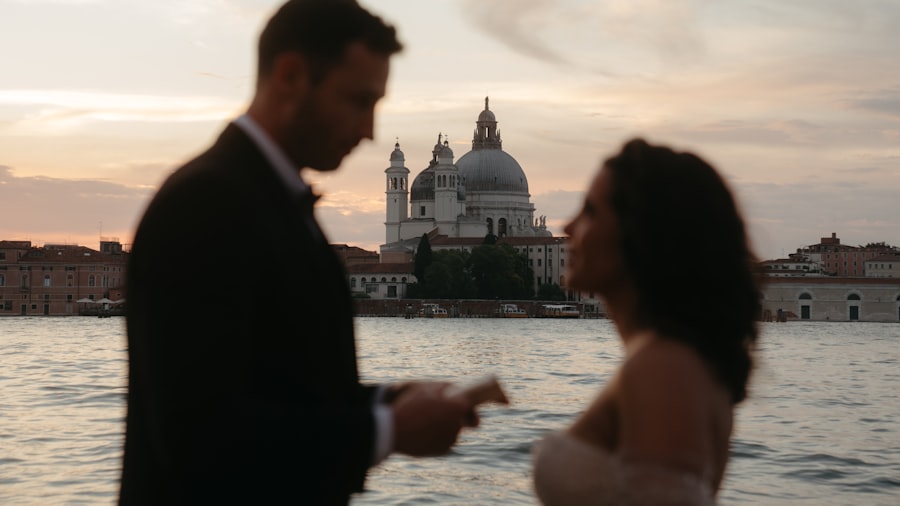
Navigating the legal requirements for a destination wedding can be one of the more complex aspects of our planning process. Each country has its own set of regulations regarding marriage licenses, residency requirements, and documentation needed for foreign couples. We should begin by researching the specific legalities of our chosen destination to ensure that we comply with all necessary regulations.
This may involve contacting local authorities or consulting with a wedding planner who specializes in destination weddings. In addition to understanding the legal requirements, we must also gather the necessary paperwork well in advance. This may include obtaining birth certificates, passports, and any required affidavits or translations.
Some countries may have waiting periods or specific procedures that we need to follow, so it’s essential to stay organized and keep track of deadlines. By addressing these legalities early on, we can avoid any last-minute stress and focus on creating a beautiful celebration.
Finding the right vendors
Finding the right vendors is a pivotal part of planning our destination wedding. Since we are not familiar with local suppliers, it’s essential to conduct thorough research to identify reputable professionals who align with our vision. We can start by seeking recommendations from friends or family who have experience with destination weddings or by browsing online reviews and social media platforms.
Engaging with local wedding planners can also be incredibly beneficial; they often have established relationships with trusted vendors and can help us navigate the local market. Once we have compiled a list of potential vendors, we should reach out to them to discuss our ideas and gauge their responsiveness and professionalism. It’s important to ask questions about their experience with destination weddings, their availability on our chosen date, and their pricing structures.
We may also want to schedule video calls or in-person meetings if possible to ensure that we feel comfortable working with them. By taking the time to find the right vendors, we can create a cohesive team that will help bring our dream wedding to life.
Guest accommodations and travel arrangements
As we plan our destination wedding, we must also consider our guests’ accommodations and travel arrangements. Since many of our loved ones will be traveling from afar, it’s important to provide them with information that makes their journey as smooth as possible. We can start by researching nearby hotels or resorts that offer group rates or special packages for wedding guests.
Providing a range of accommodation options at different price points will ensure that everyone feels included in our celebration. In addition to accommodations, we should also think about transportation logistics for our guests. This may involve arranging shuttle services from hotels to the wedding venue or providing detailed directions for those who prefer to drive themselves.
We can create a wedding website that includes all necessary information about travel arrangements, accommodations, and local attractions to help our guests plan their trip effectively. By being proactive in addressing these details, we can enhance our guests’ experience and allow them to focus on celebrating with us.
Weather considerations
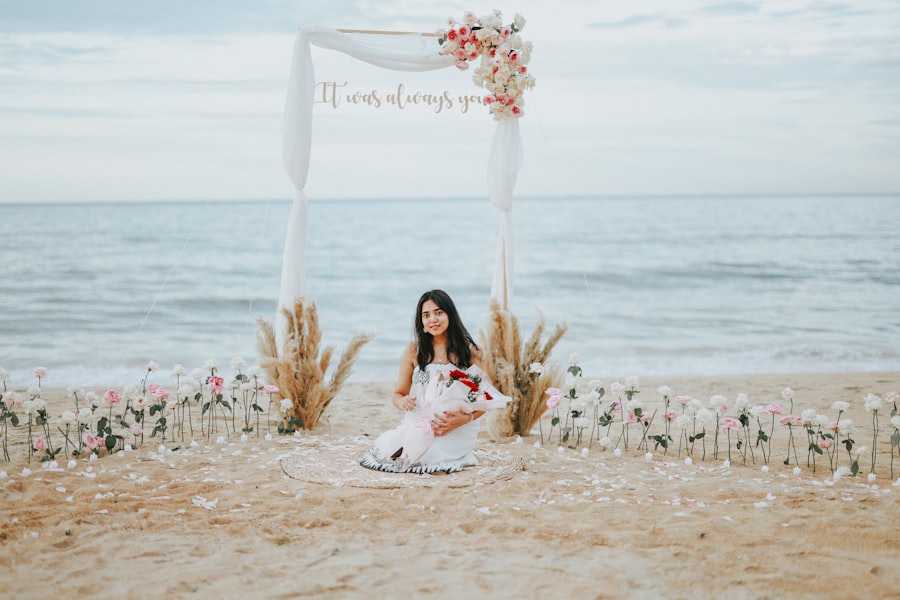
Weather is an important factor that can significantly impact our destination wedding experience. While we may envision a sunny beach ceremony or a picturesque outdoor reception, it’s crucial to prepare for any potential weather-related challenges. We should research the typical climate for our chosen destination during our wedding date and consider any seasonal variations that may affect our plans.
To mitigate weather-related concerns, we might explore backup options for outdoor ceremonies or receptions in case of rain or extreme heat. Many venues offer indoor spaces that can be utilized if needed, so it’s wise to have a contingency plan in place. Additionally, providing guests with information about appropriate attire based on the expected weather conditions can help ensure everyone is comfortable throughout the celebration.
By taking weather considerations into account, we can create a seamless experience regardless of what Mother Nature has in store.
Creating a backup plan
In addition to considering weather-related contingencies, creating a comprehensive backup plan is essential for any destination wedding. Despite our best efforts in planning, unforeseen circumstances can arise—be it travel delays, vendor cancellations, or other unexpected events. By having a backup plan in place, we can navigate these challenges with grace and confidence.
We should outline alternative options for key elements of our wedding day, such as venues, catering services, or entertainment options. It may also be helpful to designate a trusted friend or family member as a point person who can assist in managing any last-minute changes or issues that may arise during the event. By preparing for potential obstacles ahead of time, we can focus on enjoying our special day without unnecessary stress.
Making the most of your destination wedding experience
Finally, as we approach our destination wedding day, it’s important to remember that this celebration is not just about the ceremony itself but also about creating lasting memories with our loved ones. We should take advantage of the unique setting by incorporating local culture and traditions into our celebration. This could include serving regional cuisine at the reception or incorporating local music into our ceremony.
Additionally, we might consider planning pre-wedding activities for our guests to enjoy together before the big day. This could involve group excursions such as guided tours, beach days, or even cooking classes that allow everyone to bond and create shared experiences. By embracing the spirit of adventure and connection that comes with a destination wedding, we can ensure that this celebration becomes an unforgettable chapter in our love story.
In conclusion, planning a destination wedding involves careful consideration of various elements—from choosing the perfect location to navigating legal requirements and budgeting effectively. By approaching each aspect thoughtfully and collaboratively, we can create a beautiful celebration that reflects our love while also providing an unforgettable experience for our guests. With careful planning and an open heart, we can embark on this exciting journey together and celebrate our love in a truly magical setting.