
As we embark on the journey of capturing the essence of a wedding day, we quickly realize that natural light plays a pivotal role in the quality and mood of our photographs. The soft, diffused glow of sunlight can create an ethereal atmosphere, enhancing the beauty of the couple and their surroundings. Unlike artificial lighting, which can sometimes produce harsh shadows or unnatural colors, natural light offers a warmth and authenticity that resonates deeply with the emotions of the day.
It allows us to capture moments as they unfold, preserving the genuine joy and love shared between the couple and their guests. Moreover, natural light is incredibly versatile. It changes throughout the day, offering us a variety of lighting conditions to work with.
From the golden hour just before sunset to the soft light of an overcast day, each scenario presents unique opportunities for creativity. By understanding how to harness these different types of natural light, we can elevate our wedding photography to new heights, ensuring that each image tells a story filled with emotion and beauty. This understanding not only enhances our skills but also deepens our appreciation for the art of photography itself.
Key Takeaways
- Natural light is essential for creating beautiful and timeless wedding photos
- The golden hour, just after sunrise or before sunset, provides the best natural light for outdoor wedding photos
- Reflectors and diffusers can be used to soften and even out harsh natural light
- Scouting for the best locations with ample natural light is crucial for stunning wedding photos
- Posing and directing the couple in natural light can create flattering and romantic shots
Choosing the Right Time of Day for Outdoor Wedding Photos
When planning for outdoor wedding photography, timing is everything. We often find that the best time for capturing stunning images is during the golden hour, which occurs shortly after sunrise or just before sunset. During this magical time, the sun casts a warm, golden hue that bathes everything in a soft glow.
This lighting is particularly flattering for portraits, as it minimizes harsh shadows and highlights the couple’s features beautifully. By scheduling our outdoor sessions around these times, we can ensure that we are making the most of nature’s own spotlight. However, we must also consider the specific location and season when planning our shoots.
For instance, in summer months, the sun sets later in the evening, allowing for extended golden hour opportunities. Conversely, winter weddings may require us to adjust our schedules to accommodate shorter daylight hours. We should also be mindful of how the sun’s position changes throughout the day, as this can affect not only the quality of light but also the overall mood of our photographs.
By carefully selecting the right time for outdoor wedding photos, we can create images that are not only visually stunning but also imbued with the warmth and joy of the occasion.
Utilizing Reflectors and Diffusers for Even Lighting
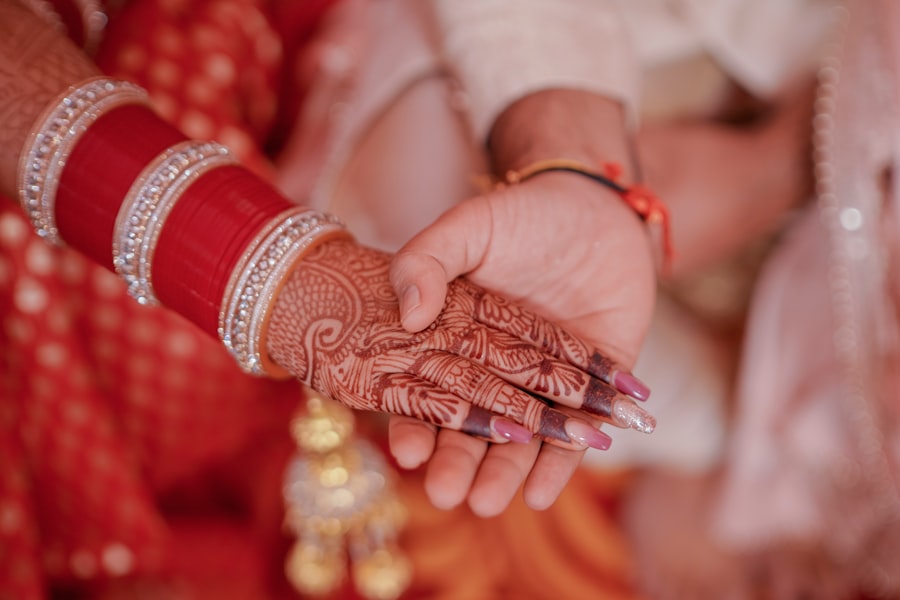
While natural light is a fantastic resource, it can sometimes be unpredictable. To combat this, we often turn to reflectors and diffusers to help us achieve even lighting in our photographs. Reflectors are particularly useful for bouncing light back onto our subjects, filling in shadows and creating a more balanced exposure.
They come in various sizes and colors, allowing us to tailor our approach based on the specific lighting conditions we encounter. For instance, a silver reflector can add a bright pop of light, while a gold reflector imparts a warm glow that complements skin tones beautifully. On the other hand, diffusers serve to soften harsh sunlight, creating a more flattering light for our subjects.
By placing a diffuser between the sun and the couple, we can create a gentle, even light that reduces contrast and minimizes unflattering shadows. This technique is especially beneficial during midday when the sun is at its highest and most intense. By incorporating these tools into our workflow, we can enhance our ability to capture stunning images that truly reflect the beauty of the moment.
Finding the Best Locations for Natural Light Wedding Photos
The search for ideal locations for natural light wedding photos is an adventure in itself. We often find that certain environments lend themselves beautifully to capturing stunning images bathed in sunlight. Parks with lush greenery, open fields with wildflowers, or even urban settings with interesting architecture can provide a diverse backdrop for our photography.
Each location offers unique lighting opportunities that can dramatically influence the final outcome of our images. When scouting locations, we should pay attention to how light interacts with different surfaces throughout the day. For example, shaded areas can provide soft, diffused light that is perfect for intimate portraits, while open spaces allow us to take advantage of direct sunlight for more dramatic shots.
Additionally, we should consider how elements like trees or buildings can create interesting patterns of light and shadow that add depth to our compositions. By thoughtfully selecting locations that enhance natural light, we can create a stunning visual narrative that captures the essence of the couple’s special day.
Posing and Directing the Couple for Flattering Natural Light Shots
Once we have identified the perfect location and time for our shoot, it’s time to focus on posing and directing the couple. Our goal is to create images that not only highlight their love but also make them feel comfortable and confident in front of the camera. We often begin by encouraging them to interact naturally—holding hands, sharing whispers, or stealing glances at one another.
These candid moments often yield some of our most cherished photographs. In addition to encouraging natural interactions, we also provide gentle guidance on poses that work well in natural light. For instance, positioning the couple so that they are slightly angled towards each other can create a more intimate feel while allowing soft light to illuminate their faces beautifully.
We might also suggest playful movements or prompts that encourage laughter and joy, capturing genuine emotions that reflect their personalities. By combining thoughtful direction with an emphasis on authenticity, we can create stunning images that resonate with both the couple and their loved ones.
Adjusting Camera Settings for Optimal Exposure in Natural Light

To truly harness the beauty of natural light in our wedding photography, we must be adept at adjusting our camera settings accordingly. Understanding how to manipulate aperture, shutter speed, and ISO is crucial in achieving optimal exposure in varying lighting conditions. For instance, during golden hour when light is soft and warm, we often choose a wider aperture (like f/2.8 or f/4) to create a shallow depth of field that beautifully blurs backgrounds while keeping our subjects sharp.
Conversely, when shooting in brighter conditions or direct sunlight, we may need to increase our shutter speed to prevent overexposure while maintaining clarity in our images. Additionally, adjusting ISO settings allows us to adapt to changing light conditions without sacrificing image quality. By mastering these technical aspects of photography, we empower ourselves to capture breathtaking images that truly reflect the beauty of each moment.
Editing Techniques to Enhance Natural Light Wedding Photos
Once we’ve captured stunning images in natural light, our work isn’t quite finished; editing plays a vital role in enhancing those photographs further. We often begin by adjusting exposure levels to ensure that each image reflects the true ambiance of the moment while maintaining detail in both highlights and shadows. This step is crucial in preserving the warmth and softness characteristic of natural light photography.
Color correction is another essential aspect of our editing process. We strive to enhance skin tones while ensuring that colors remain true to life without appearing overly saturated or artificial. Utilizing tools like curves and color balance allows us to fine-tune each image until it perfectly captures the essence of the day.
Finally, we may apply subtle filters or presets that enhance contrast or add warmth without overshadowing the natural beauty already present in our photographs. Through thoughtful editing techniques, we can elevate our images from beautiful captures to breathtaking works of art.
Tips for Capturing Candid Moments in Natural Light
Candid moments are often where we find some of the most genuine expressions of love and joy during a wedding day. To capture these fleeting instances effectively in natural light, we must remain observant and ready at all times. One effective strategy is to blend into the background as much as possible; this allows us to capture authentic interactions without interrupting the flow of events.
By being unobtrusive, we can document spontaneous laughter, tears of joy, and heartfelt embraces as they unfold naturally. Additionally, using longer lenses can help us maintain distance while still capturing intimate moments filled with emotion. This technique allows us to photograph guests interacting without drawing attention to ourselves or disrupting their experience.
We should also be prepared for unexpected moments—whether it’s a child playing nearby or an emotional reaction during speeches—by keeping our cameras ready at all times. By embracing spontaneity and remaining alert to our surroundings, we can capture candid moments that truly reflect the spirit of love and celebration present on such a special day. In conclusion, understanding how to effectively utilize natural light in wedding photography is essential for creating stunning images that resonate with emotion and beauty.
From choosing the right time of day to adjusting camera settings and capturing candid moments, each aspect plays a crucial role in telling a couple’s unique story through photographs. As we continue honing our skills and embracing creativity within this art form, we find ourselves not only capturing memories but also celebrating love in its purest form.