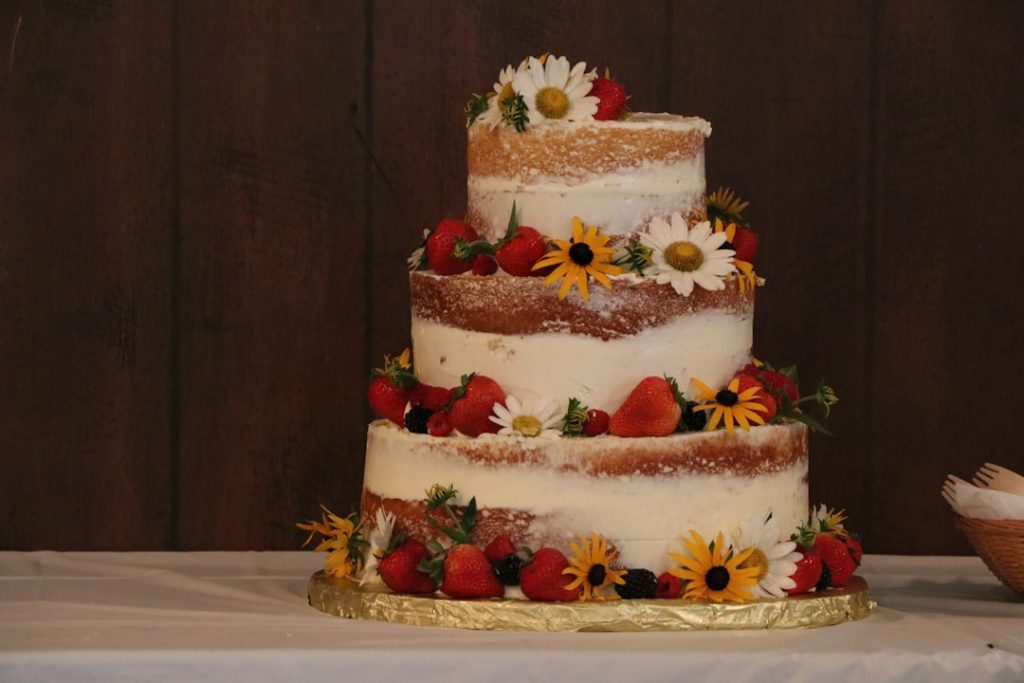
When planning our wedding, one of the first aspects we need to consider is the season and theme. Each season brings its own unique charm and atmosphere, which can significantly influence our choices, especially when it comes to the cake. For instance, a spring wedding might inspire us to select light, fruity flavors like lemon or strawberry, evoking the freshness of blooming flowers.
In contrast, a winter wedding could lead us to opt for richer flavors such as chocolate or spiced cakes that resonate with the cozy, warm feelings of the season. The theme of our wedding also plays a crucial role in this decision-making process. A rustic-themed wedding might call for a naked cake adorned with fresh fruits and flowers, while a more formal affair could lead us to choose a classic fondant-covered cake with elegant decorations.
Moreover, we should think about how the cake will fit into the overall aesthetic of our wedding. If we are planning a beach wedding, we might want to incorporate tropical flavors like coconut or pineapple, which would not only complement the setting but also create a cohesive experience for our guests. On the other hand, if our wedding theme is vintage-inspired, we might lean towards traditional flavors like vanilla or red velvet, perhaps with a twist of modern presentation.
By aligning our cake choices with the season and theme, we can create a harmonious atmosphere that reflects our personalities and love story.
Key Takeaways
- Consider the season and theme of your wedding
- Take into account dietary restrictions and allergies
- Think about your favorite flavors and desserts
- Consider the preferences of your guests
- Consult with your baker for flavor recommendations
Take into account dietary restrictions and allergies
As we embark on our wedding planning journey, it is essential for us to consider the dietary restrictions and allergies of our guests. We want everyone to feel included and enjoy the celebration without worrying about what they can or cannot eat. This means we should gather information about any food allergies or dietary preferences from our guest list well in advance.
Common allergies such as nuts, gluten, or dairy can significantly impact our cake choices, so being proactive in this regard is crucial. In addition to allergies, we should also think about accommodating various dietary lifestyles. With the rise of veganism and gluten-free diets, it is becoming increasingly important for us to offer options that cater to these needs.
By consulting with our baker, we can explore alternative recipes that maintain flavor and texture while being mindful of these restrictions. This way, we can ensure that all our guests have a delicious slice of cake to enjoy, making our wedding a truly inclusive celebration.
Think about your favorite flavors and desserts

As we delve deeper into the cake planning process, it’s time for us to reflect on our favorite flavors and desserts. This is an opportunity for us to infuse our personalities into the cake, making it a true representation of who we are as a couple. Perhaps we both share a love for chocolate, or maybe one of us has a soft spot for fruity desserts like raspberry tarts or peach cobbler.
By incorporating these beloved flavors into our wedding cake, we can create a dessert that not only tastes amazing but also holds sentimental value. Additionally, we might want to consider how these flavors can be combined or layered within the cake itself. For example, if one of us adores vanilla while the other prefers chocolate, we could opt for a marble cake that beautifully marries both flavors.
This not only satisfies our individual tastes but also symbolizes the union of our lives together. Ultimately, this is our special day, and choosing flavors that resonate with us will make the cake even more meaningful.
Consider the preferences of your guests
While it’s important for us to choose flavors that we love, we must also take into account the preferences of our guests. After all, they are the ones who will be celebrating with us and enjoying the cake we select. To gauge their tastes, we could consider sending out a simple survey or even casually asking friends and family about their favorite cake flavors during conversations leading up to the big day.
This feedback can provide valuable insights into what might be popular among our guests. Furthermore, we should think about offering a variety of flavors to cater to different palates. A multi-tiered cake with different layers featuring distinct flavors can be an excellent way to ensure that there’s something for everyone.
For instance, one tier could be chocolate for those who crave richness, while another could be lemon for those who prefer something zesty and refreshing. By being mindful of our guests’ preferences, we can create an enjoyable experience that leaves everyone satisfied and happy.
Consult with your baker for flavor recommendations
Once we have a clearer idea of our preferences and those of our guests, it’s time to consult with our baker for flavor recommendations. A skilled baker will have extensive experience in creating wedding cakes and can offer valuable insights into popular flavor combinations and trends. They may suggest unique pairings that we hadn’t considered or provide guidance on which flavors work best together in terms of texture and taste.
During this consultation, we should be open to experimenting with new ideas while also staying true to what we love. Our baker may have suggestions based on seasonal ingredients or local specialties that could elevate our cake beyond traditional choices. By collaborating closely with them, we can ensure that our final selection is not only delicious but also visually stunning—a true centerpiece for our wedding celebration.
Choose complementary flavors for cake and frosting

As we finalize our cake design, it’s crucial for us to choose complementary flavors for both the cake and frosting. The frosting plays an essential role in enhancing the overall taste experience; therefore, it should harmonize with the cake flavor rather than overpower it. For example, if we decide on a rich chocolate cake, pairing it with a light vanilla buttercream can create a delightful balance that allows both flavors to shine.
Alternatively, if we opt for a fruit-flavored cake like lemon or raspberry, we might consider using a cream cheese frosting that adds a tangy richness without overshadowing the fruitiness. This thoughtful pairing not only enhances the flavor profile but also contributes to the overall aesthetic appeal of the cake. By carefully selecting complementary flavors for both components, we can create a cohesive dessert that delights both the eyes and taste buds.
Don’t be afraid to mix and match flavors
In our quest for the perfect wedding cake, we should embrace the idea of mixing and matching flavors rather than sticking to just one option. This approach allows us to showcase our creativity while catering to diverse tastes among our guests. For instance, we could create a tiered cake where each layer features a different flavor—perhaps one layer is chocolate hazelnut while another is vanilla almond and yet another is red velvet.
This not only adds visual interest but also provides an exciting tasting experience for our guests as they sample different layers throughout the celebration. Additionally, mixing flavors can lead to unexpected yet delightful combinations that surprise and delight everyone at the reception. By being adventurous in our flavor choices, we can create a memorable dessert that reflects our unique style as a couple.
Consider incorporating cultural or regional flavors
Finally, as we finalize our wedding cake plans, let’s not overlook the opportunity to incorporate cultural or regional flavors that hold significance for us or our families. This could be an excellent way to honor our heritage while adding depth to our dessert selection. For example, if one of us has Italian roots, we might consider incorporating traditional Italian flavors like tiramisu or cannoli into our cake design.
Alternatively, if we have fond memories of family gatherings centered around specific regional desserts—such as key lime pie from Florida or maple syrup-infused treats from New England—we could draw inspiration from those experiences when selecting flavors for our cake. By weaving these cultural elements into our dessert choice, we not only celebrate who we are but also create an opportunity for storytelling during our wedding celebration. In conclusion, planning the perfect wedding cake involves careful consideration of various factors—from seasonal themes and dietary restrictions to personal preferences and cultural influences.
By thoughtfully navigating these elements together as a couple, we can create a delicious centerpiece that reflects our love story while delighting all who gather to celebrate with us on this special day.