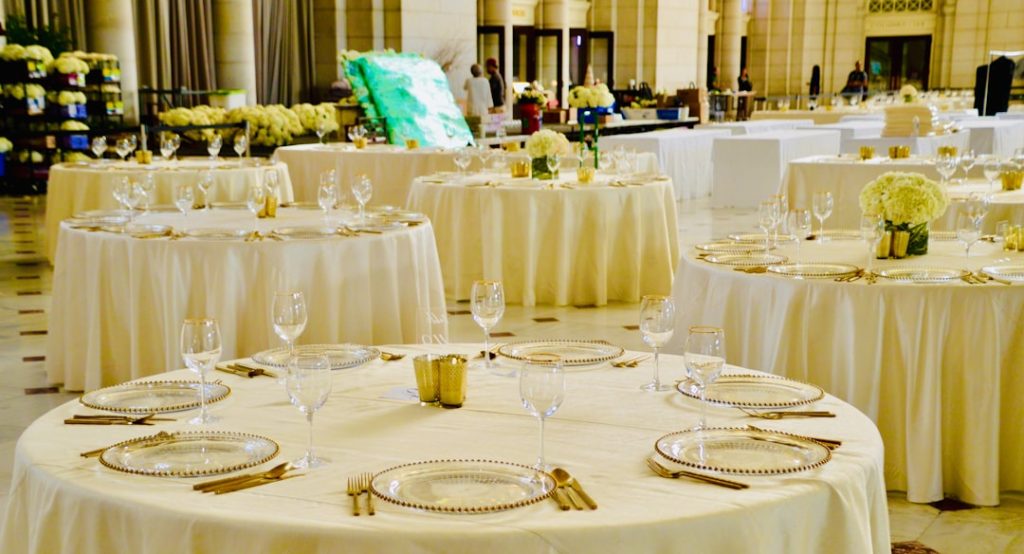
When we embark on planning our wedding, one of the most exciting yet daunting tasks is selecting the dining options for our big day. The choices available can be overwhelming, ranging from plated dinners to buffet-style meals, food stations, and even family-style dining. Each option carries its own unique charm and can significantly influence the overall atmosphere of our celebration.
For instance, a plated dinner often conveys a sense of formality and elegance, making it a popular choice for traditional weddings. On the other hand, a buffet allows for a more relaxed and casual vibe, encouraging guests to mingle and explore various culinary delights at their own pace. As we explore these options, we should also consider how they align with our vision for the wedding.
A cocktail reception with passed hors d’oeuvres might suit a modern, chic wedding, while a rustic barn wedding could benefit from hearty comfort food served family-style. Additionally, we must think about the logistics of each dining style. For example, a buffet may require more space and staff to manage the flow of guests, while a plated dinner necessitates precise timing and coordination with our caterer.
By understanding the nuances of each dining option, we can make informed decisions that reflect our personalities and enhance the overall experience for our guests.
Key Takeaways
- Buffet, plated, and family-style are common dining options for weddings
- Consider your budget and guest list when choosing a dining style
- The style and theme of your wedding should align with the dining option
- Assess logistics and venue space to determine the best dining style
- Take into account dietary restrictions and preferences of your guests
- Seek input from your caterer or wedding planner when making dining decisions
- Consider the pros and cons of each dining style before making a decision
- Communicate your final decision to your caterer clearly and effectively
Considering your budget and guest list
As we dive deeper into the planning process, it becomes crucial to consider our budget and guest list when selecting dining options. Our budget will play a significant role in determining what is feasible for our wedding. We need to be realistic about how much we can allocate to catering without compromising other essential elements of our celebration.
It’s important to remember that food and beverage costs can quickly add up, especially when we factor in the number of guests we plan to invite. Therefore, we should create a detailed budget that outlines our priorities and allows us to make informed choices. Our guest list is another critical factor that influences our dining decisions.
The number of attendees will directly impact the type of service we choose and the overall cost. For instance, if we have a large guest list, a buffet or food stations might be more practical than a plated dinner, which could require additional staff and time to serve each individual meal. Conversely, if our guest list is more intimate, we might opt for a multi-course plated dinner that allows us to showcase our culinary preferences in a more personalized manner.
By carefully considering both our budget and guest list, we can strike a balance that ensures everyone enjoys a memorable dining experience.
Factoring in the style and theme of your wedding

The style and theme of our wedding are essential elements that should guide our dining choices. Whether we envision a glamorous black-tie affair or a laid-back beach celebration, the food we serve should complement the overall aesthetic of our event. For example, if we are planning a vintage-inspired wedding, we might consider serving classic dishes with a modern twist or incorporating seasonal ingredients that reflect the charm of bygone eras.
On the other hand, a contemporary wedding might call for innovative cuisine or trendy food pairings that excite our guests’ palates. Moreover, the presentation of our dining options can also enhance the theme of our wedding. We can explore creative ways to serve food that aligns with our vision—think rustic wooden boards for a farm-to-table theme or elegant china for a formal setting.
Additionally, incorporating elements like signature cocktails or themed desserts can further tie in with our overall concept. By ensuring that our dining choices resonate with the style and theme of our wedding, we create a cohesive experience that leaves a lasting impression on our guests.
Assessing the logistics and venue space
As we continue planning, it’s vital to assess the logistics and venue space when deciding on dining options. The layout of our chosen venue will significantly influence how we can serve food and how guests will interact during mealtime. For instance, if we are hosting our wedding in a smaller venue with limited space, a buffet may not be practical due to crowding issues.
In such cases, we might lean towards plated service or even food stations that allow for better flow and movement among guests. Additionally, we must consider the facilities available at the venue. Does it have a fully equipped kitchen?
Are there restrictions on outside catering? Understanding these logistical aspects will help us determine what is feasible and what may require additional planning or resources. We should also think about how food service will fit into the overall timeline of our event.
Coordinating meal times with other activities—such as speeches or dancing—will ensure that everything runs smoothly and that our guests have an enjoyable experience without feeling rushed or overwhelmed.
Taking into account dietary restrictions and preferences
In today’s diverse culinary landscape, it’s essential for us to take into account dietary restrictions and preferences when planning our wedding menu. Our guest list may include individuals with various dietary needs—such as vegetarians, vegans, gluten-free guests, or those with allergies—so it’s crucial to offer options that cater to everyone. By doing so, we not only show consideration for our guests but also create an inclusive atmosphere where everyone feels welcome and valued.
To address these dietary concerns effectively, we can work closely with our caterer to develop a menu that includes a variety of choices. This might involve offering multiple entrée options or creating a separate station dedicated to vegetarian or gluten-free dishes. Additionally, we can communicate with our guests ahead of time to gather information about their dietary needs, allowing us to plan accordingly.
By being proactive in accommodating dietary restrictions and preferences, we ensure that all guests can enjoy their meals without worry or discomfort.
Seeking input from your caterer or wedding planner

As we navigate through the myriad of decisions regarding dining options, seeking input from our caterer or wedding planner can be invaluable. These professionals bring expertise and experience to the table (pun intended) and can provide insights that help us make informed choices. They understand current trends in catering and can suggest menu items that align with our vision while also being practical within our budget constraints.
Moreover, our caterer can offer guidance on portion sizes, presentation styles, and even seasonal ingredients that will enhance the quality of our meal. They may also have recommendations for local vendors who can provide specialty items or unique culinary experiences that align with our theme. By collaborating closely with these experts, we can refine our ideas and create a dining experience that exceeds our expectations while ensuring everything runs smoothly on the big day.
Weighing the pros and cons of each dining style
As we approach the final stages of decision-making regarding dining options, it’s essential for us to weigh the pros and cons of each style we’ve considered. Each option has its advantages and disadvantages that can impact not only the dining experience but also the overall flow of our wedding day. For instance, while plated dinners offer an elegant touch and allow for precise portion control, they may require more staff and time to serve each course effectively.
Conversely, buffet-style dining encourages mingling among guests but may lead to longer wait times as people line up for food. Family-style service strikes a balance between these two options by fostering communal dining while still providing an element of elegance; however, it may not be suitable for all venues due to space constraints. By carefully evaluating these pros and cons in relation to our specific circumstances—such as venue size, guest count, and desired atmosphere—we can make an informed decision that aligns with both our vision and practical considerations.
Making the final decision and communicating it to your caterer
After thorough consideration of all factors involved in selecting our wedding dining options, it’s time for us to make the final decision. This moment is both exciting and nerve-wracking as it solidifies one of the key elements of our celebration. We should take a moment to reflect on all the discussions we’ve had about budget constraints, guest preferences, venue logistics, and overall style before committing to a specific menu or dining style.
Once we’ve made our choice, clear communication with our caterer is paramount. We need to provide them with all necessary details regarding menu selections, guest counts, dietary restrictions, and any special requests we’ve discussed throughout the planning process. This ensures that everyone is on the same page and helps avoid any last-minute surprises as we approach our wedding day.
By taking this step seriously and maintaining open lines of communication with our caterer, we set ourselves up for success in creating an unforgettable dining experience for ourselves and our guests on this momentous occasion.