When we embark on any event planning journey, one of the first steps we take is to create a detailed timeline. This timeline serves as our roadmap, guiding us through the myriad of tasks that need to be accomplished before the big day arrives. By breaking down the event into manageable segments, we can allocate time for each task, ensuring that nothing is overlooked.
We start by identifying key milestones, such as booking the venue, finalizing the guest list, and confirming vendors. Each of these milestones is then assigned a specific deadline, allowing us to track our progress and make adjustments as necessary. As we develop this timeline, we also consider the sequence of events on the day of the event itself.
We outline when vendors should arrive, when setup should begin, and when guests will start to arrive. This level of detail not only helps us stay organized but also allows us to anticipate potential challenges. For instance, if we know that a particular vendor requires several hours for setup, we can ensure that their arrival time reflects that need.
By creating a comprehensive timeline, we set ourselves up for success, minimizing stress and maximizing efficiency as we move closer to the event date.
Key Takeaways
- Creating a detailed timeline is essential for keeping track of all vendor-related tasks and deadlines.
- Communicating with vendors regularly and clearly ensures that everyone is on the same page and reduces the risk of misunderstandings.
- Designating a point person to oversee vendor interactions and address any issues that may arise can streamline communication and problem-solving.
- Establishing a clear communication channel, such as a group chat or email thread, can help keep all vendors informed and updated throughout the event planning process.
- Confirming arrival and setup times with vendors well in advance helps prevent any last-minute logistical issues and ensures a smooth event setup.
Communicating with vendors
Effective communication with vendors is crucial in ensuring that our event runs smoothly. From the moment we first reach out to them, we establish a rapport that will serve as the foundation for our working relationship. We make it a point to clearly articulate our vision for the event, including our expectations and any specific requirements we may have.
This initial conversation sets the tone for our collaboration and helps us gauge whether the vendor is a good fit for our needs. As we continue to communicate with vendors throughout the planning process, we prioritize transparency and responsiveness. We understand that vendors often juggle multiple clients, so we strive to be clear and concise in our communications.
Regular check-ins allow us to stay updated on their progress and address any questions or concerns that may arise. By fostering an open line of communication, we not only build trust but also create an environment where everyone feels comfortable sharing ideas and suggestions. This collaborative approach ultimately enhances the quality of service we receive and contributes to the overall success of our event.
Designating a point person

In any event planning scenario, designating a point person is essential for maintaining order and clarity. This individual acts as the primary liaison between our team and the various vendors involved in the event. By having one person responsible for communication, we reduce the risk of miscommunication and ensure that everyone is on the same page.
This point person is typically someone who is well-organized, detail-oriented, and possesses strong interpersonal skills. The responsibilities of this designated individual extend beyond mere communication; they also include overseeing logistics on the day of the event. This means they will coordinate with vendors upon arrival, ensure that setup is proceeding according to plan, and address any issues that may arise in real-time.
By entrusting these responsibilities to a single point person, we can focus on other aspects of the event while knowing that there is someone dedicated to managing vendor relations. This streamlined approach not only enhances efficiency but also allows us to respond quickly to any unforeseen challenges.
Establishing a clear communication channel
Establishing a clear communication channel is vital for ensuring that all parties involved in the event are aligned and informed. In our experience, utilizing a combination of tools—such as email, messaging apps, and project management software—can significantly enhance our ability to communicate effectively. By choosing a platform that everyone is comfortable with, we can facilitate real-time updates and discussions, making it easier to share important information as it arises.
Moreover, we recognize the importance of setting expectations regarding response times and availability. By communicating these parameters upfront, we create an environment where everyone understands when they can expect feedback or answers to their questions. This clarity helps prevent frustration and confusion, allowing us to maintain a positive working relationship with our vendors.
Ultimately, establishing a clear communication channel fosters collaboration and ensures that everyone is working toward a common goal: delivering a successful event.
Confirming arrival and setup times
As the event date approaches, confirming arrival and setup times with our vendors becomes increasingly important. We understand that each vendor has their own unique requirements regarding setup duration and equipment needs. Therefore, we take the initiative to reach out to each vendor individually to confirm their arrival times and ensure they have everything they need for a smooth setup process.
In these confirmations, we also reiterate our timeline for the day of the event. By doing so, we provide vendors with context for their arrival times and help them understand how their role fits into the overall schedule. This proactive approach not only minimizes potential delays but also allows us to identify any conflicts or overlaps in vendor schedules early on.
By addressing these issues ahead of time, we can make necessary adjustments and ensure that everything runs seamlessly on the day of the event.
Providing vendor meals and breaks
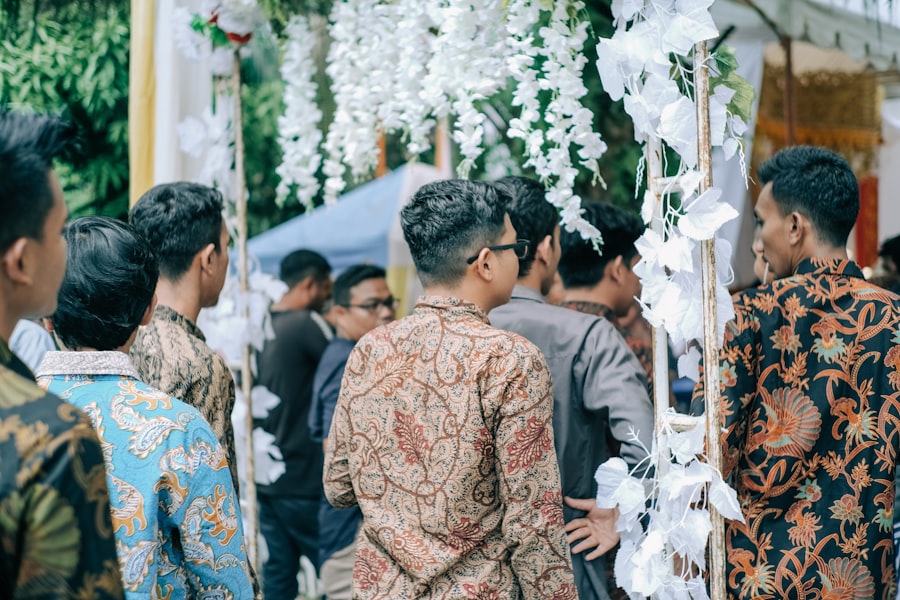
While planning an event, it’s easy to focus solely on the guests’ experience and overlook the needs of our vendors. However, providing meals and breaks for our vendors is an essential aspect of ensuring their well-being and maintaining morale throughout the event. We recognize that vendors often work long hours under pressure, so offering them sustenance and time to recharge can significantly impact their performance.
To facilitate this, we make arrangements for meals that cater to various dietary preferences and restrictions. We communicate these needs with our catering team well in advance to ensure that everyone is accommodated. Additionally, we schedule designated break times for vendors during which they can step away from their tasks and enjoy their meals without feeling rushed.
By prioritizing their comfort and satisfaction, we foster a positive working environment that encourages vendors to give their best effort on our behalf.
Resolving conflicts or issues
Despite our best efforts in planning an event, conflicts or issues may still arise on the day itself. When faced with such challenges, it’s crucial for us to remain calm and composed while addressing them promptly. Our designated point person plays a vital role in this process by serving as the first line of defense when problems occur.
They are equipped with knowledge about each vendor’s responsibilities and can quickly assess how best to resolve any issues. We approach conflict resolution with a collaborative mindset, seeking input from all parties involved to find a solution that works for everyone. Whether it’s a scheduling conflict between two vendors or an unexpected equipment malfunction, we prioritize open communication and transparency throughout the resolution process.
By fostering an atmosphere of teamwork during challenging moments, we not only resolve issues more effectively but also strengthen our relationships with vendors for future collaborations.
Showing appreciation for their hard work
At the conclusion of an event, taking time to show appreciation for our vendors’ hard work is essential in building lasting relationships. We understand that each vendor plays a critical role in bringing our vision to life, and acknowledging their efforts goes a long way in fostering goodwill. Simple gestures such as thank-you notes or verbal expressions of gratitude can make a significant impact on how vendors perceive their experience working with us.
In addition to verbal appreciation, we often consider providing small tokens of gratitude—such as gift cards or personalized gifts—that reflect our appreciation for their dedication and professionalism. These gestures not only convey our thanks but also reinforce our commitment to maintaining positive relationships with those who contribute to our events. By recognizing their hard work and celebrating their contributions, we create an environment where vendors feel valued and motivated to collaborate with us again in the future.
In conclusion, effective event planning requires careful attention to detail at every stage of the process—from creating a detailed timeline to showing appreciation for vendors’ hard work after the event concludes. By prioritizing clear communication, designating point persons, confirming logistics, providing meals, resolving conflicts collaboratively, and expressing gratitude, we can ensure that our events are successful while fostering strong relationships with our vendors along the way. Through these practices, we not only enhance our own planning experience but also contribute positively to the broader event planning community.