
When we embark on planning an event, it becomes crucial for us to grasp the distinct roles that each vendor plays in the overall success of the occasion. Each vendor brings a unique set of skills and services that contribute to the event’s atmosphere and functionality. For instance, caterers are responsible for providing food and beverages, while florists enhance the visual appeal with their arrangements.
Photographers capture the moments we want to remember, and DJs or bands create the soundtrack to our celebration. By understanding these roles, we can better appreciate how each vendor fits into the larger picture and how their contributions can elevate our event. Moreover, recognizing the interdependencies among vendors is essential.
For example, the caterer may need to coordinate with the venue regarding kitchen access, while the florist might require specific setup times to ensure their arrangements are fresh and beautifully displayed. By mapping out these relationships, we can anticipate potential challenges and streamline communication. This understanding allows us to create a cohesive plan that ensures all vendors work harmoniously together, ultimately leading to a seamless event experience for us and our guests.
Key Takeaways
- Understand the specific roles and responsibilities of each vendor to ensure smooth coordination on the day of the event.
- Create a detailed timeline outlining the schedule for each vendor’s setup, service, and breakdown to keep the event on track.
- Communicate clear expectations and preferences with vendors to ensure they understand and meet the client’s needs.
- Designate a point person for each vendor to serve as the main contact and address any issues or concerns that may arise.
- Coordinate with the venue to provide necessary setup and logistics information to vendors and ensure a seamless event execution.
Creating a detailed timeline for the day
As we dive deeper into the planning process, crafting a detailed timeline for the event day becomes one of our top priorities. A well-structured timeline serves as a roadmap, guiding us through each phase of the event and ensuring that everything unfolds as planned. We should start by outlining key milestones, such as vendor arrivals, setup times, and the start of various activities.
By breaking down the day into manageable segments, we can maintain a clear focus on what needs to happen and when. In addition to scheduling vendor arrivals and setup times, we must also account for other critical elements, such as guest arrivals, speeches, and entertainment. By incorporating buffer times into our timeline, we can accommodate any unexpected delays or last-minute changes without causing chaos.
This proactive approach not only alleviates stress but also allows us to enjoy the day more fully, knowing that we have a solid plan in place to guide us through each moment.
Communicating expectations and preferences with vendors
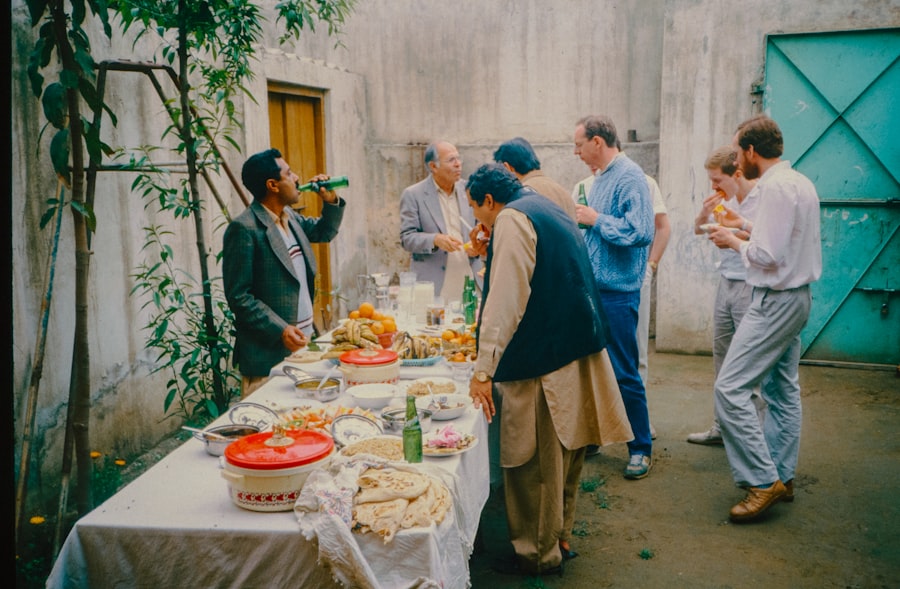
Effective communication with our vendors is paramount in ensuring that our vision for the event is realized. We must take the time to articulate our expectations clearly, discussing everything from aesthetic preferences to logistical details. For instance, if we have specific colors or themes in mind for floral arrangements or table settings, we should convey these ideas during our initial meetings.
By being transparent about our preferences, we empower vendors to deliver results that align with our vision. Additionally, it is essential for us to establish open lines of communication throughout the planning process. Regular check-ins with vendors can help us stay informed about their progress and address any concerns that may arise.
We should encourage vendors to ask questions and share their insights, as they often have valuable experience that can enhance our event. By fostering a collaborative atmosphere, we can ensure that everyone is on the same page and working toward a common goal.
Designating a point person for each vendor
To streamline communication and coordination during the event, we should designate a point person for each vendor involved. This individual will serve as the primary contact for that vendor, ensuring that all questions and concerns are addressed promptly. By assigning this responsibility, we can minimize confusion and create a more organized environment on the day of the event.
The point person should be someone who is familiar with the event details and can effectively communicate our expectations to the vendor. Having a designated point person also allows us to focus on enjoying the event rather than getting bogged down in logistical details. This individual can handle any issues that arise with vendors, allowing us to engage with our guests and fully immerse ourselves in the celebration.
Furthermore, this approach fosters accountability among vendors, as they know who to turn to for guidance or clarification throughout the day.
Coordinating with the venue for vendor setup and logistics
Coordinating with the venue is another critical aspect of ensuring a successful event. We must communicate our timeline and vendor requirements to venue staff well in advance of the event date. This includes discussing load-in times, access points for vendors, and any restrictions or guidelines that need to be followed.
By establishing this connection early on, we can avoid potential conflicts and ensure that all vendors have what they need to set up efficiently. Additionally, we should consider any logistical challenges that may arise during setup. For example, if certain vendors require specific equipment or space configurations, we need to relay this information to the venue staff so they can accommodate these needs.
By working collaboratively with both vendors and venue personnel, we can create an environment where everyone feels supported and prepared for a successful event.
Providing clear directions and contact information for vendors

As part of our planning efforts, it is essential for us to provide clear directions and contact information for all vendors involved in the event. This includes sharing details about where they should park, where they will set up their equipment, and any specific entry points they need to use. By offering this information upfront, we can help vendors navigate the venue with ease and reduce any potential confusion on the day of the event.
In addition to logistical directions, we should compile a contact list that includes phone numbers and email addresses for all key individuals involved in the event—both from our team and from each vendor’s side. This way, if any issues arise or if vendors need assistance during setup or throughout the event, they can quickly reach out to the appropriate person for support. Having this information readily available fosters a sense of teamwork among all parties involved and contributes to a smoother overall experience.
Ensuring vendors have necessary permits and insurance
As responsible planners, it is our duty to ensure that all vendors have the necessary permits and insurance required for their services. Depending on the nature of the event and local regulations, certain vendors may need specific licenses or permits to operate legally. For example, caterers may require health permits, while musicians might need performance licenses.
By verifying these requirements ahead of time, we can avoid potential legal issues that could disrupt our event. Additionally, confirming that vendors carry adequate insurance coverage is vital for protecting ourselves from liability in case of accidents or unforeseen circumstances. We should request proof of insurance from each vendor before the event date and keep these documents on file for reference.
This proactive approach not only safeguards our interests but also demonstrates professionalism and diligence in our planning efforts.
Having a backup plan in case of vendor emergencies
Despite our best efforts in planning every detail of the event, unforeseen circumstances can still arise—especially when it comes to vendor emergencies. Whether it’s a last-minute cancellation or an equipment malfunction, having a backup plan in place is essential for mitigating potential disruptions. We should identify alternative vendors or solutions ahead of time so that we are prepared if something goes awry.
Moreover, it is wise for us to communicate these contingency plans with our designated point persons for each vendor. By ensuring they are aware of potential backup options, we empower them to act swiftly if an emergency arises. This level of preparedness not only alleviates stress but also allows us to maintain a sense of control over the situation, ensuring that our event continues smoothly even in the face of unexpected challenges.
In conclusion, planning an event requires careful consideration of various factors related to vendor management. By understanding each vendor’s role, creating detailed timelines, communicating expectations clearly, designating point persons, coordinating with venues, providing clear directions, ensuring necessary permits are in place, and having backup plans ready, we can navigate this complex process with confidence. Ultimately, these efforts contribute to a successful event that leaves lasting memories for us and our guests alike.