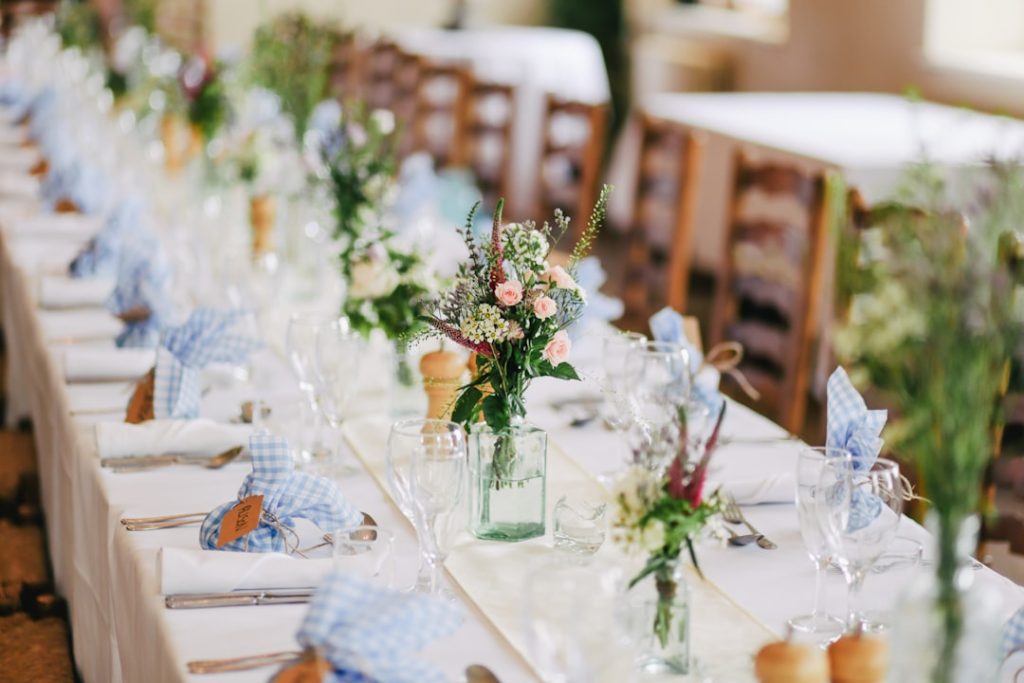
When we embark on the journey of planning an event, one of the first and most crucial steps is understanding our guest count. This number serves as the foundation upon which we build our entire event. It influences every decision we make, from the choice of venue to the catering options and even the overall atmosphere we wish to create.
We must take into account not only the people we want to invite but also those who are likely to attend. This means considering family, friends, colleagues, and any other significant individuals who should be part of our celebration. To accurately gauge our guest count, we can start by creating a preliminary list of invitees.
This list should include everyone we envision sharing in our special day. Once we have a rough estimate, we can reach out to potential guests for their availability and interest in attending. This proactive approach allows us to refine our numbers and ensures that we are prepared for the right amount of food, seating, and overall space needed for our event.
Understanding our guest count is not just about numbers; it’s about creating an inclusive environment where everyone feels welcome and valued.
Key Takeaways
- Understanding your guest count is crucial for selecting the right venue and layout for your wedding.
- Consider the venue capacity to ensure that it can comfortably accommodate your guest count.
- Choose the right layout that suits your guest count and enhances the overall experience.
- Factor in additional space needs such as dance floor, buffet area, and cocktail hour space.
- Consider guest comfort and experience when finalizing the venue and layout.
Considering venue capacity
Once we have a clear understanding of our guest count, the next step is to consider venue capacity. Each venue has its own limitations regarding how many guests it can comfortably accommodate. This is where we need to do our research and ensure that the venue we choose aligns with our anticipated numbers.
A venue that is too small can lead to a cramped atmosphere, while one that is too large may feel empty and lack the intimacy we desire. When evaluating potential venues, we should pay close attention to their maximum capacity as well as their layout. Some venues may have a capacity that seems sufficient on paper but may not account for additional elements such as a dance floor, stage, or buffet area.
We must also consider how the space flows; a well-designed venue will allow guests to move freely without feeling congested. By carefully assessing venue capacity, we can ensure that our event is both comfortable and enjoyable for all attendees.
Choosing the right layout
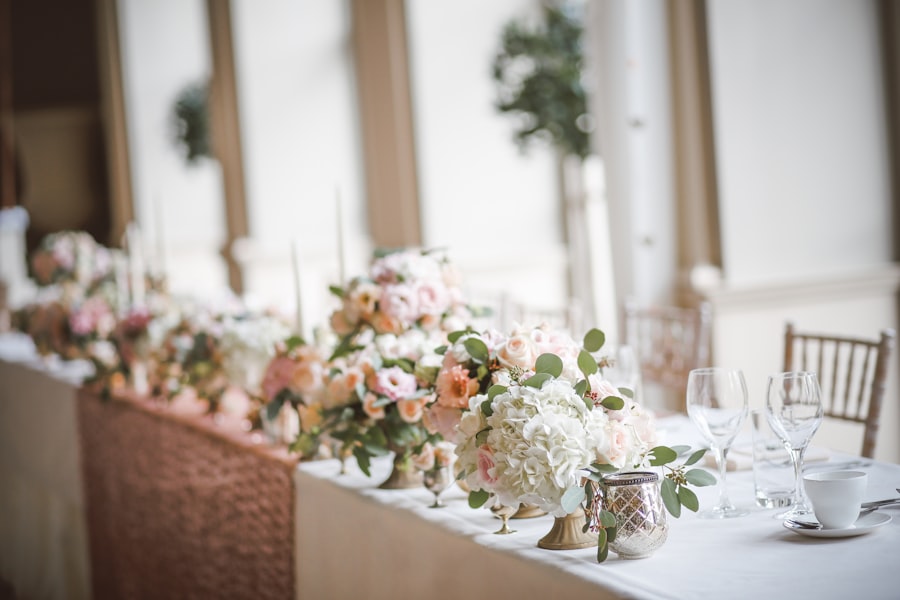
With our guest count and venue capacity in mind, we can now turn our attention to choosing the right layout for our event. The layout plays a significant role in shaping the overall experience for our guests. It can influence how people interact with one another, how easily they can navigate the space, and even how they perceive the atmosphere of the event.
We have several options to consider, including banquet-style seating, theater-style arrangements, or even a more casual lounge setup. As we contemplate different layouts, we should think about the nature of our event and what kind of experience we want to create. For instance, if we envision a lively celebration with lots of mingling and dancing, a more open layout with scattered seating might be ideal.
Conversely, if our event is more formal or structured, a traditional banquet setup could be more appropriate. By thoughtfully selecting the right layout, we can enhance guest interaction and ensure that everyone feels engaged throughout the event.
Factoring in additional space needs
In addition to considering seating arrangements, we must also factor in additional space needs that may arise during our event. This includes areas for food service, entertainment, and even quiet spaces for guests who may need a moment away from the festivities. By planning for these additional spaces, we can create a more well-rounded experience for everyone involved.
For example, if we are hosting a wedding reception with dancing, we will need to allocate space for a dance floor. Similarly, if there will be live entertainment or speeches, we should ensure there is an area designated for performers or speakers that allows them to be seen and heard by all guests. Additionally, creating cozy corners or lounge areas can provide guests with a place to relax and converse away from the main activities.
By anticipating these additional space needs, we can create a more dynamic and enjoyable environment for our guests.
Considering guest comfort and experience
As we continue planning our event, it’s essential to prioritize guest comfort and experience. After all, our goal is to create an enjoyable atmosphere where everyone feels at ease and able to fully engage in the celebration. There are several factors that contribute to guest comfort, including temperature control, seating arrangements, and accessibility.
We should consider the climate during our event and ensure that the venue has adequate heating or cooling systems in place. Additionally, comfortable seating is crucial; no one wants to spend hours sitting on hard chairs or in cramped spaces. We can also think about accessibility for guests with mobility challenges by ensuring that pathways are clear and that there are accommodations available for those who may need them.
By focusing on these aspects of guest comfort, we can enhance their overall experience and create lasting memories.
Budgeting for the venue

Budgeting for the venue is another critical aspect of our planning process. The venue often represents one of the largest expenses in our overall event budget, so it’s essential that we approach this step with careful consideration. We need to establish a clear budget range early on and stick to it as we explore different options.
When budgeting for the venue, we should take into account not only the rental fee but also any additional costs associated with using the space. This may include service charges, cleaning fees, or costs for using specific amenities such as audiovisual equipment or catering services. By being thorough in our budgeting process, we can avoid any unexpected financial surprises down the line and ensure that we allocate funds appropriately across all aspects of our event.
Assessing venue amenities and services
As we narrow down our venue options, it’s important to assess the amenities and services each location offers. Different venues come with varying levels of support and resources that can significantly impact our planning process and overall experience on the day of the event. For instance, some venues may provide tables and chairs as part of their rental package, while others may require us to rent these items separately.
Additionally, we should inquire about services such as catering options, bar services, and audiovisual support. Having these amenities readily available can simplify our planning process and reduce stress as we prepare for the event. Furthermore, some venues may offer on-site coordinators who can assist us with logistics on the day of the event, which can be invaluable in ensuring everything runs smoothly.
By carefully assessing venue amenities and services, we can make informed decisions that align with our vision for the event.
Consulting with a wedding planner or venue coordinator
Finally, as we navigate through all these considerations, consulting with a wedding planner or venue coordinator can provide us with invaluable insights and support. These professionals have extensive experience in event planning and can help us make informed decisions based on their knowledge of industry trends and best practices. A wedding planner can assist us in managing timelines, coordinating vendors, and ensuring that every detail is accounted for leading up to the big day.
Similarly, a venue coordinator can provide us with specific information about their space and help us understand how to best utilize it for our event’s needs. By collaborating with these experts, we can alleviate some of the pressure associated with planning while ensuring that our vision comes to life seamlessly. In conclusion, planning an event involves numerous considerations that require careful thought and attention to detail.
From understanding our guest count to budgeting effectively and consulting with professionals in the field, each step plays a vital role in creating a memorable experience for everyone involved. By approaching each aspect thoughtfully and collaboratively, we can ensure that our event is not only successful but also a true reflection of our vision and values.