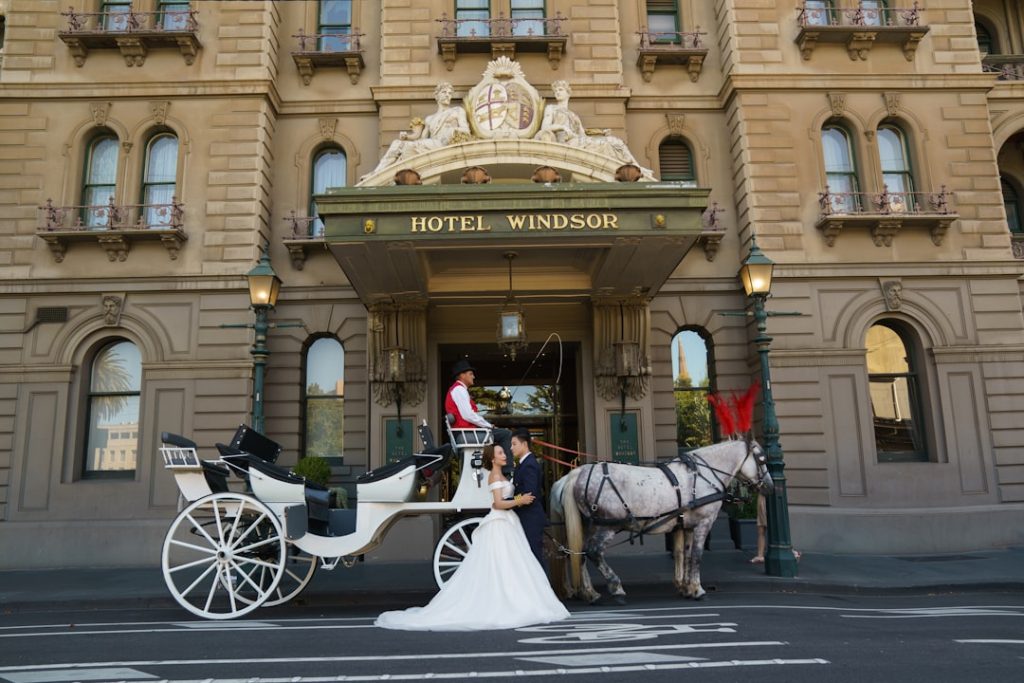
When it comes to selecting the ideal European destination for your wedding, the options are as diverse as the continent itself. You might find yourself drawn to the romantic streets of Paris, the sun-kissed beaches of the Amalfi Coast, or the historic charm of Prague. Each location offers a unique backdrop that can enhance the magic of your special day.
Consider what kind of atmosphere you envision for your wedding. Are you dreaming of a fairy-tale castle, a rustic vineyard, or perhaps a chic urban setting?
As you weigh your options, think about the season in which you plan to tie the knot. Europe boasts a variety of climates, and each season brings its own charm. Springtime blooms in gardens across the continent, while summer offers long days filled with sunshine.
Autumn paints landscapes in vibrant hues, and winter can transform your wedding into a cozy, snow-dusted affair. Additionally, consider accessibility for your guests. Some destinations may be easier to reach than others, so take into account travel logistics when making your decision.
Ultimately, choosing the perfect European destination is about finding a place that resonates with both you and your partner, creating a memorable backdrop for your love story.
Key Takeaways
- Consider the season, climate, and overall vibe of the destination when choosing the perfect European wedding location
- Create a detailed budget and consider financing options such as personal savings, loans, or crowdfunding for your European destination wedding
- Research and understand the legal requirements and paperwork needed for a European wedding, including marriage licenses and residency requirements
- Explore various venue options such as historic castles, scenic vineyards, or charming villas for your European destination wedding
- Build relationships with local vendors and suppliers to ensure a seamless and authentic experience for your European destination wedding
Budgeting and Financing Your European Destination Wedding
Once you’ve settled on a destination, the next step is to create a budget that aligns with your vision.
Start by determining how much you can realistically spend without compromising your financial stability.
This will help you prioritize your expenses and make informed decisions as you move forward. Consider all aspects of your wedding, from venue costs to catering, decor, and travel expenses for both you and your guests. You may also want to explore financing options if your budget requires some flexibility.
Personal loans or credit cards can provide immediate funds, but be cautious about accruing debt. Alternatively, consider setting up a wedding registry that allows guests to contribute towards specific expenses, such as your honeymoon or venue costs. This not only helps alleviate some financial pressure but also engages your loved ones in your wedding journey.
Remember that while it’s important to create a beautiful celebration, staying within your means will allow you to enjoy the experience without added stress.
Navigating Legalities and Requirements for a European Wedding
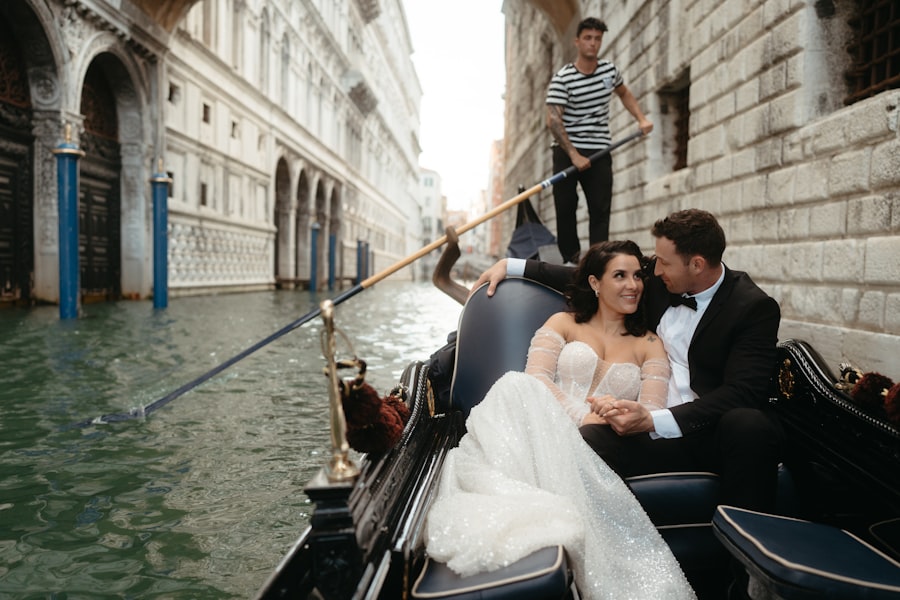
Understanding the legal requirements for getting married in a foreign country is crucial to ensuring that your wedding day goes off without a hitch. Each European country has its own set of regulations regarding marriage licenses, residency requirements, and documentation needed for foreign couples. You’ll need to research these specifics well in advance to avoid any last-minute complications.
For instance, some countries may require you to be in the country for a certain number of days before the wedding or may necessitate specific documents like birth certificates or proof of single status. It’s also wise to consult with local authorities or hire a wedding planner who specializes in destination weddings. They can provide invaluable insights into the legal landscape and help you navigate any bureaucratic hurdles.
Additionally, consider whether you want a civil ceremony or a religious one, as this can affect the legal requirements as well. By taking the time to understand these legalities early on, you can focus on what truly matters—celebrating your love with family and friends.
Selecting the Ideal Venue for Your European Destination Wedding
The venue you choose will play a pivotal role in shaping your wedding experience. In Europe, you have an abundance of stunning options ranging from historic castles and elegant chateaus to charming vineyards and picturesque seaside resorts. When selecting your venue, think about the size of your guest list and the type of atmosphere you want to create.
An intimate gathering may be best suited for a cozy villa, while a grand celebration could call for a lavish ballroom. As you explore potential venues, consider their amenities and services as well. Some venues offer all-inclusive packages that cover catering, decor, and even coordination services, which can simplify planning significantly.
Additionally, think about accessibility for your guests—how easy is it for them to reach the venue? Are there accommodations nearby? By carefully evaluating these factors, you can find a venue that not only meets your aesthetic desires but also caters to the practical needs of your celebration.
Working with Local Vendors and Suppliers
Collaborating with local vendors can enhance your wedding experience while also supporting the community where you’re tying the knot. From florists and photographers to caterers and musicians, local professionals often have invaluable knowledge about the area and can provide insights that enhance your celebration. When selecting vendors, take the time to research their work and read reviews from previous clients.
This will help ensure that you’re choosing reliable professionals who align with your vision. Communication is key when working with vendors from another country. Be clear about your expectations and preferences from the outset to avoid misunderstandings later on.
If language barriers exist, consider hiring a translator or working with a wedding planner who speaks both languages fluently. This will facilitate smoother interactions and help ensure that everyone is on the same page regarding details like timelines and specific requests. By fostering strong relationships with local vendors, you can create a seamless experience that reflects both your style and the unique charm of your chosen destination.
Planning Travel and Accommodations for Your Guests

One of the most thoughtful aspects of planning a destination wedding is considering the travel arrangements for your guests. After all, they are making an effort to join you in celebrating this significant milestone in your life. Start by providing them with essential information about travel options to your chosen destination—whether it’s by air, train, or car—and suggest nearby airports or transportation hubs that may be convenient.
Accommodations are another critical component of guest planning. Research hotels or rental properties that can accommodate various budgets and preferences. It’s often helpful to reserve a block of rooms at a hotel close to your venue to ensure that guests have easy access to transportation and amenities.
Additionally, consider creating a wedding website where guests can find all necessary information about travel arrangements, accommodations, and local attractions. This not only helps streamline communication but also allows guests to feel more connected to the experience.
Incorporating European Culture and Traditions into Your Wedding
Infusing elements of European culture into your wedding can create a rich tapestry of experiences for both you and your guests. Each country has its own unique customs and traditions that can add depth and meaning to your celebration. For instance, if you’re getting married in Italy, consider incorporating traditional Italian cuisine into your menu or even hosting a pre-wedding pasta-making class for guests as an interactive experience.
You might also explore local music or dance traditions that could enhance your reception. Hiring local musicians or dancers can provide an authentic touch that immerses everyone in the culture of your chosen destination. Additionally, think about incorporating symbolic rituals from the region—such as a traditional toast or blessing—that resonate with you as a couple.
By embracing these cultural elements, you not only honor the location but also create lasting memories that reflect both your love story and the beauty of European heritage.
Managing the Logistics and Details of a European Destination Wedding
As you approach your wedding date, managing logistics becomes increasingly important to ensure everything runs smoothly on the big day. Create a detailed timeline that outlines every aspect of the event—from vendor arrival times to ceremony start times—to keep everyone organized and on track. This will help alleviate stress as you navigate through various moving parts leading up to the celebration.
Consider hiring a local wedding planner who understands the intricacies of planning an event abroad. They can assist with coordinating vendors, managing timelines, and troubleshooting any issues that may arise on-site. Additionally, make sure to communicate clearly with all parties involved—vendors, family members, and friends—so everyone knows their roles and responsibilities on the day of the wedding.
By staying organized and proactive in managing logistics, you can focus on enjoying every moment of this once-in-a-lifetime experience while creating beautiful memories in Europe.
Planning a destination wedding in Europe can be an exciting yet challenging endeavor, as it involves coordinating various elements from afar. To ensure your European wedding is both memorable and stylish, it’s beneficial to stay updated on the latest wedding trends. For those considering a fall wedding, you might find inspiration in the article on Popular Wedding Trends for Fall Weddings. This resource provides insights into seasonal decor, color palettes, and unique ideas that can enhance your destination wedding experience, making it a truly unforgettable event.