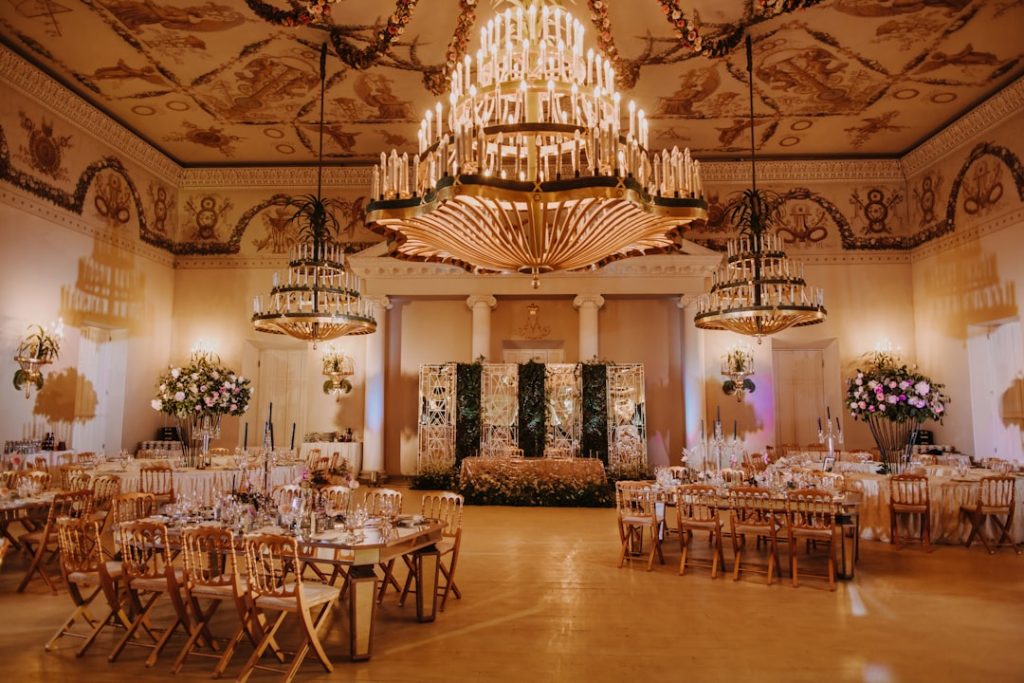
When it comes to planning your wedding, setting a realistic budget is the cornerstone of the entire process. You may find yourself overwhelmed by the myriad of options available, from extravagant venues to lavish floral arrangements. To avoid financial strain, it’s essential to sit down and determine how much you can comfortably spend.
Start by assessing your finances, including savings, contributions from family members, and any potential loans. This will give you a clear picture of your financial landscape and help you establish a budget that is both practical and achievable. Once you have a figure in mind, break it down into categories such as venue, catering, attire, and entertainment.
This will allow you to allocate funds more effectively and ensure that you don’t overspend in one area at the expense of another. Remember to include a contingency fund for unexpected expenses; weddings often come with surprises that can throw your budget off course.
Key Takeaways
- Setting a realistic budget is crucial for a successful wedding planning process.
- Choosing the right venue that fits within the budget and meets the couple’s vision is essential.
- Prioritizing must-have elements helps in allocating the budget effectively and avoiding overspending.
- Negotiating with vendors can help in getting the best deals and staying within the budget.
- Opting for quality over quantity ensures a memorable and meaningful wedding experience.
Choosing the Right Venue
Selecting the right venue is one of the most significant decisions you will make during your wedding planning journey. The venue sets the tone for your entire event, influencing everything from your guest list to your decor choices. Begin by considering the style of wedding you envision—whether it’s a grand affair in a historic mansion or an intimate gathering in a rustic barn.
Your choice of venue should reflect your personality as a couple and create an atmosphere that resonates with your love story. As you explore potential venues, think about practical aspects such as location, capacity, and amenities. You want to ensure that the venue can comfortably accommodate your guest list while also providing essential services like catering and parking.
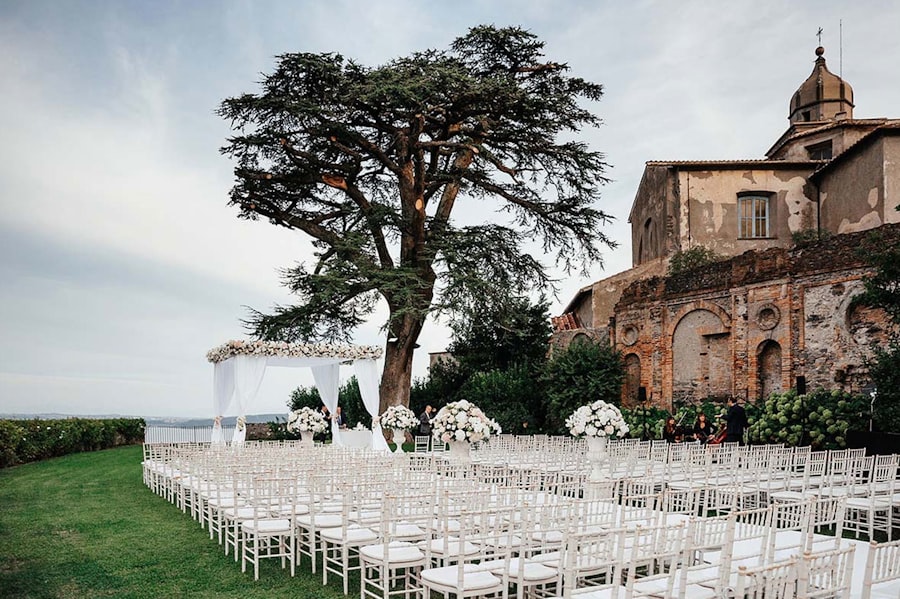
Additionally, consider the time of year and how it may affect your venue choice. Outdoor venues can be stunning but may come with weather-related challenges. By carefully weighing these factors, you can choose a venue that not only meets your needs but also enhances the overall experience for you and your guests.
Prioritizing Must-Have Elements
As you dive deeper into wedding planning, it’s crucial to identify and prioritize the must-have elements that will make your day special. Every couple has unique preferences, so take some time to discuss what aspects of the wedding are most important to both of you. This could range from having a live band to ensuring that the food is exceptional or even incorporating specific cultural traditions.
By pinpointing these priorities early on, you can allocate your budget more effectively and make informed decisions throughout the planning process. Once you’ve established your must-haves, create a list that ranks them in order of importance. This will serve as a guiding document as you navigate through various options and vendors.
For instance, if photography is at the top of your list, you might be willing to cut back on floral arrangements to ensure you can hire a talented photographer who captures every moment beautifully. By focusing on what truly matters to you as a couple, you’ll create a wedding that feels authentic and memorable.
Negotiating with Vendors
Negotiating with vendors can be one of the more daunting aspects of wedding planning, but it’s also an opportunity to save money and secure better services. Many couples feel hesitant to discuss pricing or ask for discounts, but remember that most vendors expect some level of negotiation. Start by doing your research; understand the average costs for services in your area so that you have a solid foundation for discussions.
This knowledge will empower you to approach vendors confidently and advocate for your budget. When meeting with vendors, be open about your budget constraints while expressing genuine interest in their services. Many vendors appreciate transparency and may be willing to work with you to find a solution that fits both parties.
Don’t hesitate to ask about package deals or off-peak discounts; many venues and service providers offer lower rates during less popular times or seasons. By approaching negotiations with respect and clarity, you can foster positive relationships with vendors while ensuring that your wedding remains within budget.
Opting for Quality over Quantity
In the world of weddings, it’s easy to get caught up in the idea of having everything—lavish centerpieces, an extensive guest list, and multiple entertainment options. However, opting for quality over quantity can lead to a more meaningful and enjoyable experience for both you and your guests. Instead of stretching your budget thin by trying to accommodate every desire, focus on creating a few standout elements that truly reflect your style and values as a couple.
For instance, rather than inviting hundreds of guests, consider hosting a more intimate gathering with close friends and family. This allows for deeper connections and more personal interactions throughout the day. Similarly, when it comes to decor or catering, choose high-quality items that resonate with you rather than overwhelming yourself with numerous options that may not hold significant meaning.
By prioritizing quality over quantity, you’ll create an event that feels authentic and memorable without unnecessary stress.
DIY and Personalization
Incorporating DIY elements into your wedding can add a personal touch while also saving money. If you have creative skills or enjoy crafting, consider making your own invitations, centerpieces, or favors. Not only does this allow for greater personalization, but it also gives you an opportunity to infuse your personality into various aspects of the wedding.
For example, if you both share a love for cooking, why not create homemade jams or baked goods as wedding favors? This not only showcases your talents but also provides guests with a unique keepsake from your special day. However, it’s essential to strike a balance between DIY projects and professional services.
While personal touches are meaningful, some elements are best left to experts—especially those that require specialized skills or equipment. For instance, while creating your own floral arrangements may be feasible for small gatherings, larger weddings might benefit from hiring a professional florist who can ensure everything looks polished and cohesive. By thoughtfully integrating DIY elements into your wedding while recognizing when to seek professional help, you’ll create an event that feels uniquely yours.
Utilizing Technology and Online Resources
In today’s digital age, technology can be an invaluable tool in simplifying the wedding planning process. From budgeting apps to online registries, there are countless resources available at your fingertips that can help streamline tasks and keep everything organized. Consider using wedding planning websites that offer checklists, timelines, and budgeting tools tailored specifically for couples preparing for their big day.
These resources can help ensure that nothing falls through the cracks as you navigate through various tasks. Social media platforms can also serve as inspiration hubs where you can discover trends and ideas that resonate with your vision. Pinterest is particularly popular among brides-to-be for curating mood boards filled with images of decor styles, color palettes, and even dress designs.
Additionally, online forums and communities allow couples to connect with others who are going through similar experiences—providing support and advice along the way.
Hiring a Wedding Planner
While some couples thrive on the challenge of planning their own weddings, others may find it beneficial to hire a professional wedding planner. A skilled planner brings expertise and experience to the table, helping you navigate through various decisions while alleviating stress throughout the process. They can assist with everything from vendor recommendations to timeline management—ensuring that every detail is executed flawlessly on your big day.
When considering whether to hire a planner, think about your own comfort level with organization and decision-making under pressure. If juggling multiple tasks feels overwhelming or if time constraints are an issue due to work or other commitments, enlisting professional help may be worth the investment. A planner can also provide valuable insights into industry trends and best practices—helping you avoid common pitfalls while maximizing your budget effectively.
Ultimately, hiring a wedding planner can transform what might feel like an insurmountable task into an enjoyable journey toward one of the most significant days of your life.
Planning a luxury wedding without overspending can be a daunting task, but with the right strategies, it’s entirely achievable. One key aspect to consider is the timing of your wedding, as certain months may offer more favorable conditions and potentially lower costs. For insights on the best time to tie the knot, you might find the article on What is the Best Month to Get Married in 2024 particularly helpful. This resource provides valuable information on seasonal trends and considerations that can help you plan a beautiful and cost-effective luxury wedding.