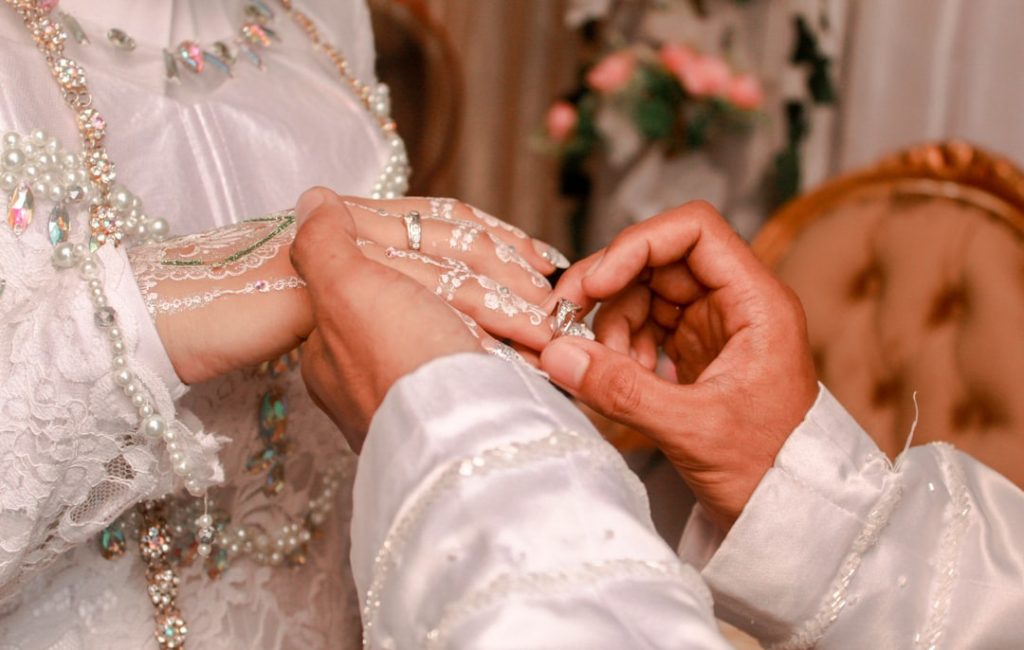
As we embark on the journey of planning a multicultural event, it is essential for us to first delve into the rich tapestry of cultural traditions that shape our diverse backgrounds. Each culture carries with it a unique set of customs, beliefs, and practices that have been passed down through generations. By taking the time to understand these traditions, we can create an event that not only honors our heritage but also fosters a sense of belonging among all participants.
This understanding allows us to appreciate the nuances of different cultures, from their rituals and symbols to their values and social norms. Moreover, recognizing the significance of cultural traditions can help us avoid potential pitfalls that may arise from misunderstandings or misinterpretations. For instance, certain colors, gestures, or even types of music may hold different meanings across cultures.
By educating ourselves about these differences, we can ensure that our event is respectful and inclusive. This knowledge empowers us to celebrate our diversity while also creating a harmonious atmosphere where everyone feels valued and understood. Ultimately, embracing cultural traditions enriches our experience and strengthens the bonds between us.
Key Takeaways
- Understanding Cultural Traditions
- Research and understand the cultural traditions of both families to ensure a respectful and inclusive wedding celebration.
- Finding Common Ground
- Identify common values and beliefs shared by both families to create a harmonious and meaningful wedding experience.
- Incorporating Cultural Elements
- Integrate cultural elements such as rituals, attire, and music into the wedding ceremony and reception to honor both families’ traditions.
- Communication with Family and Guests
- Openly communicate with family and guests about the multicultural aspects of the wedding to ensure everyone feels included and respected.
- Selecting a Venue
- Choose a venue that is versatile and accommodating to different cultural needs, such as space for traditional ceremonies and diverse cuisine options.
- Hiring Multicultural Vendors
- Select vendors who are experienced in multicultural weddings and understand the importance of respecting and incorporating diverse traditions.
- Creating a Multicultural Menu
- Work with a caterer to create a menu that includes a variety of cultural dishes to represent the diverse backgrounds of both families.
- Celebrating Unity and Diversity
- Embrace the unity and diversity of both families by celebrating the blending of cultures and creating a wedding that reflects the love and respect shared by all.
Finding Common Ground
In our quest to celebrate multiculturalism, we must also focus on finding common ground among the various cultures represented in our gathering. While each culture is distinct, there are often shared values and experiences that can serve as a foundation for unity. For instance, themes of love, family, and community resonate across many cultures, providing us with a universal language that transcends differences.
By identifying these commonalities, we can create an environment where everyone feels connected and engaged. Additionally, fostering dialogue among participants can help us uncover shared interests and experiences. We can encourage conversations that highlight similarities while also celebrating differences.
This exchange of ideas not only enriches our understanding of one another but also cultivates a sense of camaraderie. By focusing on what unites us rather than what divides us, we can create a more inclusive atmosphere that honors the diversity of our backgrounds while promoting a sense of belonging for all.
Incorporating Cultural Elements
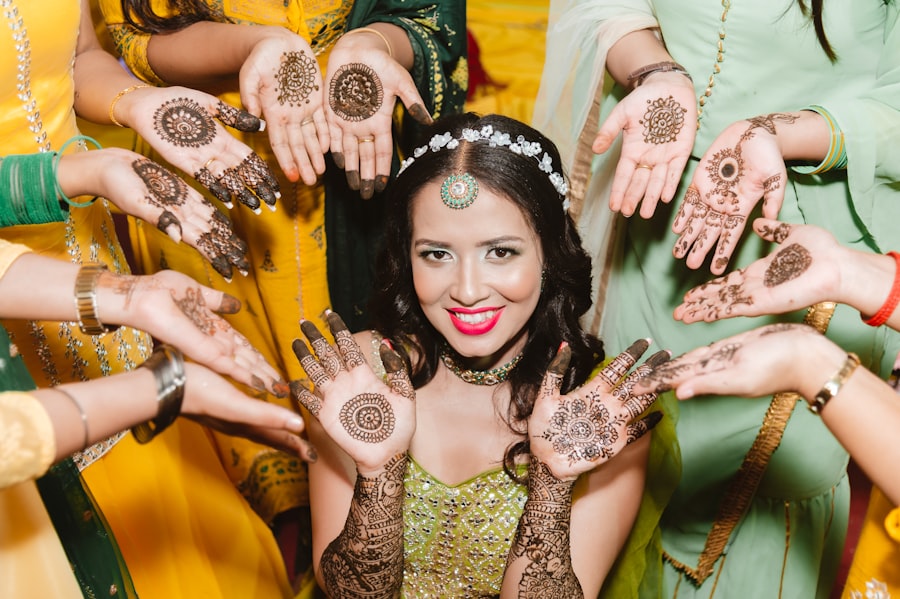
As we move forward in our planning process, incorporating cultural elements into our event becomes a vital step in showcasing the richness of our diverse backgrounds. This can be achieved through various means, such as decorations, music, and performances that reflect the traditions of the cultures represented. For example, we might choose to adorn the venue with traditional textiles or artwork that tells a story about our heritage.
Such visual elements not only enhance the aesthetic appeal of the event but also serve as conversation starters that invite guests to share their own cultural narratives. Furthermore, we can consider incorporating traditional rituals or ceremonies that hold significance for specific cultures. Whether it’s a ceremonial dance, a blessing, or a symbolic gesture, these elements can add depth and meaning to our gathering.
By thoughtfully integrating these cultural components, we create an immersive experience that allows guests to engage with one another on a deeper level. This approach not only honors our individual backgrounds but also fosters a sense of appreciation for the diverse tapestry of cultures present at the event.
Communication with Family and Guests
Effective communication is paramount when planning a multicultural event, as it ensures that all family members and guests feel informed and included in the process. We should strive to create an open dialogue where everyone has the opportunity to express their thoughts and preferences regarding the event. This collaborative approach not only empowers individuals but also fosters a sense of ownership over the celebration.
By actively seeking input from family members and guests, we can ensure that their cultural traditions are respected and represented. Additionally, we must be mindful of language barriers that may exist among our guests. Providing materials in multiple languages or offering translation services can help bridge these gaps and ensure that everyone feels welcome and understood.
By prioritizing clear communication, we create an environment where all participants feel valued and included in the celebration. This commitment to inclusivity not only enhances the overall experience but also strengthens the bonds between us as we come together to celebrate our shared diversity.
Selecting a Venue
Choosing the right venue is a crucial aspect of planning a multicultural event, as it sets the tone for the entire celebration. We should consider spaces that are not only aesthetically pleasing but also accommodating to the diverse needs of our guests. Accessibility is an important factor; ensuring that everyone can navigate the venue comfortably is essential for creating an inclusive atmosphere.
Additionally, we might look for venues that have experience hosting multicultural events, as they may offer valuable insights and resources to enhance our planning process. Moreover, the venue should reflect the spirit of unity and diversity that we aim to celebrate. We might opt for locations that have cultural significance or historical relevance to the communities represented at our event.
This thoughtful selection can add layers of meaning to our gathering and create a sense of connection among participants. Ultimately, by choosing a venue that aligns with our vision for inclusivity and celebration, we lay the groundwork for a memorable experience that honors our diverse backgrounds.
Hiring Multicultural Vendors

As we continue to shape our multicultural event, hiring vendors who understand and appreciate diversity becomes paramount. From caterers to entertainers, selecting vendors who are experienced in working with various cultural traditions ensures that every aspect of our event is thoughtfully curated. We should seek out vendors who are not only skilled in their craft but also demonstrate a genuine commitment to inclusivity and cultural sensitivity.
Collaborating with multicultural vendors allows us to showcase authentic cultural elements in our event. For instance, we might hire musicians who specialize in traditional music from different cultures or caterers who can prepare dishes that reflect the culinary heritage of our guests. By supporting diverse businesses, we not only enhance the authenticity of our celebration but also contribute to the broader community by promoting inclusivity in the marketplace.
This collaboration enriches our event while fostering connections between vendors and attendees.
Creating a Multicultural Menu
One of the most exciting aspects of planning a multicultural event is curating a menu that reflects the diverse culinary traditions represented among our guests. Food has an incredible ability to bring people together, serving as both nourishment and a means of cultural expression. As we design our menu, we should aim to include dishes from various cultures while also considering dietary restrictions and preferences.
Incorporating traditional recipes or signature dishes from different cultures allows us to celebrate culinary diversity while introducing guests to new flavors and experiences. We might consider offering a buffet-style setup where guests can sample dishes from various cuisines or even host cooking demonstrations featuring traditional cooking techniques. This interactive approach not only enhances the dining experience but also encourages conversations about food traditions and cultural significance.
Ultimately, by creating a multicultural menu, we invite guests to embark on a culinary journey that reflects the richness of our diverse backgrounds.
Celebrating Unity and Diversity
As we bring all these elements together, it is essential for us to focus on celebrating both unity and diversity throughout our event. Our gathering should serve as a platform for fostering connections among participants while honoring their unique backgrounds. We can achieve this by incorporating activities that encourage interaction and collaboration among guests, such as group games or collaborative art projects that reflect cultural themes.
Moreover, we should take moments during the event to acknowledge and celebrate the diversity present in the room. This could involve sharing stories about cultural traditions or recognizing individuals who have made significant contributions to their communities. By highlighting these narratives, we create an atmosphere of appreciation and respect for one another’s backgrounds.
Ultimately, by celebrating unity alongside diversity, we cultivate an environment where everyone feels valued and empowered to share their unique stories while embracing the richness of our collective heritage.