
When it comes to selecting the right church for your ceremony, the decision can feel overwhelming. You want a place that resonates with your beliefs and values, but also one that feels welcoming and comfortable for you and your guests. Start by considering the denomination and theological stance of the church.
Are you looking for a traditional setting, or do you prefer a more contemporary atmosphere? Each church has its unique character, and it’s essential to find one that aligns with your vision for the ceremony.
Pay attention to the ambiance, the architecture, and how the space makes you feel. Imagine yourself standing at the altar, exchanging vows in front of your loved ones. Does the church evoke a sense of peace and joy?
Additionally, consider the location and accessibility for your guests. A church that is easy to reach will ensure that everyone can attend without hassle. Ultimately, choosing the right church is about finding a place that feels like home for this significant moment in your life.
Key Takeaways
- When choosing the right church for your ceremony, consider the location, size, and religious affiliation that best suits your needs and beliefs.
- Meeting with the church officials is important to discuss any requirements, restrictions, and expectations for the ceremony.
- Selecting the date and time for the ceremony should take into account the availability of the church and the convenience of your guests.
- Planning the order of service involves coordinating with the officiant and selecting readings, prayers, and any special rituals or traditions.
- Organizing music and readings should reflect the tone and theme of the ceremony, and should be approved by the church officials.
- When decorating the church, consider the church guidelines and any restrictions on decorations, and ensure that the decor complements the church’s existing aesthetic.
- Rehearsing the ceremony with the wedding party and any participants is essential for a smooth and coordinated event.
- Following church guidelines is crucial to ensure a respectful and harmonious ceremony, and to maintain a positive relationship with the church.
Meeting with the Church Officials
After narrowing down your choices, it’s time to meet with the church officials. This step is crucial as it allows you to understand the church’s policies and procedures better. Schedule an appointment with the pastor or officiant to discuss your plans.
During this meeting, be prepared to share your vision for the ceremony, including any specific traditions or rituals you wish to incorporate. This is also an excellent opportunity to ask questions about the church’s requirements, such as premarital counseling or membership status. As you converse with the church officials, take note of their demeanor and willingness to assist you.
A supportive officiant can make a significant difference in how smoothly your planning process goes. They can provide valuable insights into what works well within their space and may even offer suggestions that enhance your ceremony. Building a rapport with them will not only ease your planning but also create a sense of community as you prepare for this important milestone.
Selecting the Date and Time
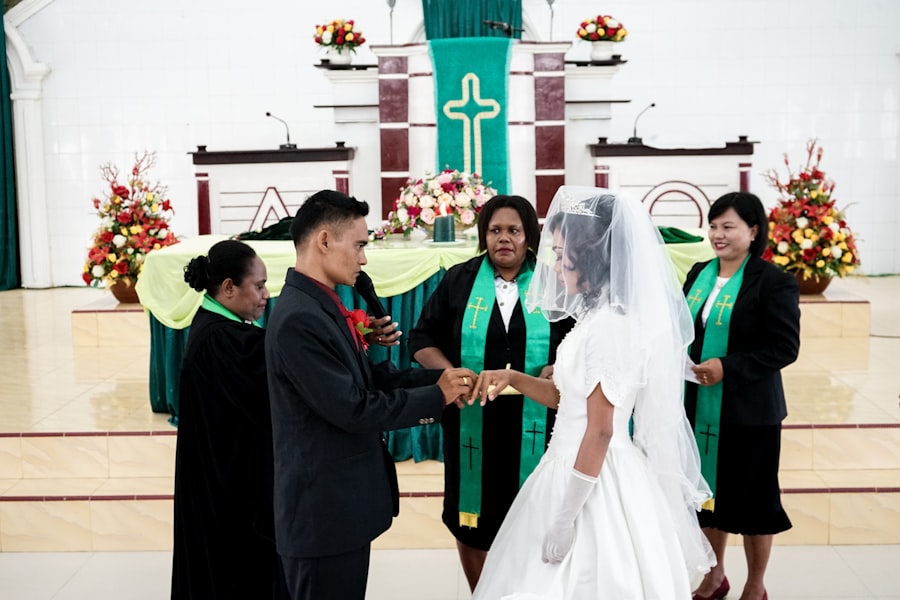
Choosing the date and time for your ceremony is another critical step in your planning process. Consider factors such as the availability of the church, any significant dates in your life, and the convenience for your guests. Popular wedding dates often fill up quickly, so it’s wise to have a few alternatives in mind when you approach the church officials.
Additionally, think about the time of day that best suits your vision—whether it’s a romantic afternoon ceremony or a more formal evening event. As you finalize your date and time, consider the season and weather conditions in your area. Each season brings its unique charm, from blooming flowers in spring to vibrant autumn leaves.
However, be mindful of potential weather challenges that could affect your plans. If you’re planning an outdoor element, such as a reception or photos, ensure that your chosen date aligns with favorable weather conditions. Ultimately, selecting the right date and time sets the tone for your entire celebration.
Planning the Order of Service
The order of service is a vital component of your ceremony that dictates how everything will unfold on the big day. Start by discussing with your officiant what elements are typically included in their services. Common components may include readings, music, vows, and blessings.
As you plan, think about how each element reflects your personalities and relationship. This is an opportunity to personalize your ceremony and make it uniquely yours. Consider incorporating meaningful readings or poems that resonate with both of you.
Whether it’s a passage from a favorite book or a poem that holds special significance, these words can add depth to your ceremony. Additionally, think about how you want to express your vows—will they be traditional or written by you? The order of service should flow seamlessly, allowing for moments of reflection and joy as you celebrate this significant commitment together.
Organizing Music and Readings
Music plays an essential role in setting the mood for your ceremony, so take time to curate a playlist that resonates with both of you. Whether you prefer classical pieces played by a string quartet or contemporary songs performed by a soloist, choose music that reflects your personalities and enhances the atmosphere of the day. Discuss your preferences with the church officials to ensure that any musical arrangements align with their guidelines.
In addition to music, selecting readings is another opportunity to personalize your ceremony further. You might choose passages from religious texts or literature that speaks to love and commitment. Involving family members or friends in these readings can also add a special touch, making them feel more connected to your celebration.
As you organize these elements, remember that they should complement each other and contribute to an overall sense of harmony during your ceremony.
Decorating the Church
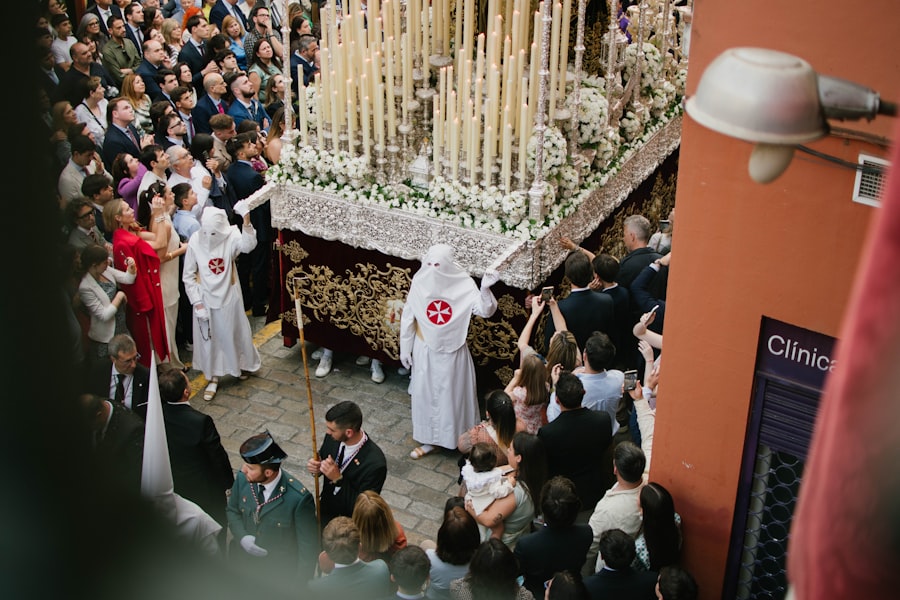
Decorating the church is an exciting aspect of planning your ceremony that allows you to express your style and vision. However, it’s essential to work within the guidelines set by the church officials regarding decorations. Some churches may have restrictions on certain types of decor or where items can be placed, so be sure to clarify these details early on.
When choosing decorations, consider elements that enhance the natural beauty of the church rather than overshadow it. Flowers are a popular choice; they can add color and fragrance while maintaining an elegant atmosphere. Think about using seasonal blooms that reflect your wedding date or personal favorites that hold special meaning for you both.
Additionally, consider incorporating personal touches such as family heirlooms or photographs that tell your story as a couple. The goal is to create an inviting space that feels warm and celebratory while respecting the sanctity of the church.
Rehearsing the Ceremony
Rehearsing the ceremony is an essential step in ensuring everything goes smoothly on the big day. Schedule a rehearsal with your officiant and key participants—such as bridesmaids, groomsmen, and family members—so everyone knows their roles and responsibilities. This practice run allows everyone to become familiar with the flow of the ceremony and helps alleviate any nerves leading up to the event.
During the rehearsal, pay attention to timing and transitions between different elements of the service. This is also an excellent opportunity to address any last-minute questions or concerns from participants.
A well-rehearsed ceremony will not only enhance your confidence but also create a more enjoyable experience for everyone involved.
Following Church Guidelines
As you navigate through planning your ceremony, adhering to church guidelines is paramount. Each church has its own set of rules regarding ceremonies, so it’s crucial to familiarize yourself with these expectations early on in the process. This may include restrictions on photography during the service, specific dress codes for participants, or guidelines on decor.
Following these guidelines not only shows respect for the church but also helps ensure that your ceremony runs smoothly without any unexpected hiccups. If you’re unsure about any aspect of these rules, don’t hesitate to reach out to church officials for clarification. They are there to help guide you through this process and ensure that your special day aligns with their traditions while still being uniquely yours.
In conclusion, planning a church ceremony involves several important steps that require careful consideration and collaboration with church officials. From choosing the right venue to organizing music and decorations, each element contributes to creating a meaningful experience for you and your guests. By following these guidelines and embracing open communication throughout the planning process, you can ensure that your ceremony reflects your love story while honoring the sacred space in which it takes place.
When planning a wedding ceremony in a church, it’s essential to consider not only the traditional elements but also the latest trends that can make your special day unique and memorable. For those looking to incorporate contemporary ideas into their church wedding, exploring the Popular Wedding Trends for 2024 can provide inspiration. This article highlights the latest trends that are set to make waves in the wedding industry, offering fresh ideas that can be seamlessly integrated into a traditional church setting, ensuring your ceremony is both timeless and on-trend.