When you embark on the journey of planning your wedding, the first step is to establish a budget. This crucial task will serve as the foundation for all your decisions moving forward. Begin by determining how much you can realistically spend, taking into account contributions from family members or savings you may have set aside.
It’s essential to be honest with yourself about your financial situation, as this will help you avoid unnecessary stress later on. Once you have a clear figure in mind, break it down into categories such as venue, catering, attire, and entertainment. This will allow you to see where your money will go and help you prioritize what matters most to you.
As you prioritize your expenses, consider what aspects of the wedding are non-negotiable for you and your partner. Perhaps you envision a stunning venue or a gourmet meal that will leave your guests raving. On the other hand, you might decide that a lavish floral arrangement isn’t as important as having a live band.
By identifying these priorities early on, you can allocate your budget accordingly and make informed decisions that align with your vision. Remember, it’s perfectly acceptable to adjust your expectations based on your budget; flexibility can lead to creative solutions that still fulfill your dreams.
Key Takeaways
- Setting a budget and prioritizing expenses is crucial for a successful wedding planning process.
- When choosing a venue and setting a date, consider the size of the guest list and the overall theme of the wedding.
- Creating a guest list and sending invitations should be done in a timely manner to ensure RSVPs and accommodations.
- Selecting vendors for catering, photography, and entertainment requires thorough research and consideration of the wedding budget.
- Designing the wedding theme and décor should reflect the couple’s personality and style, creating a memorable atmosphere for guests.
Choosing a Venue and Setting a Date
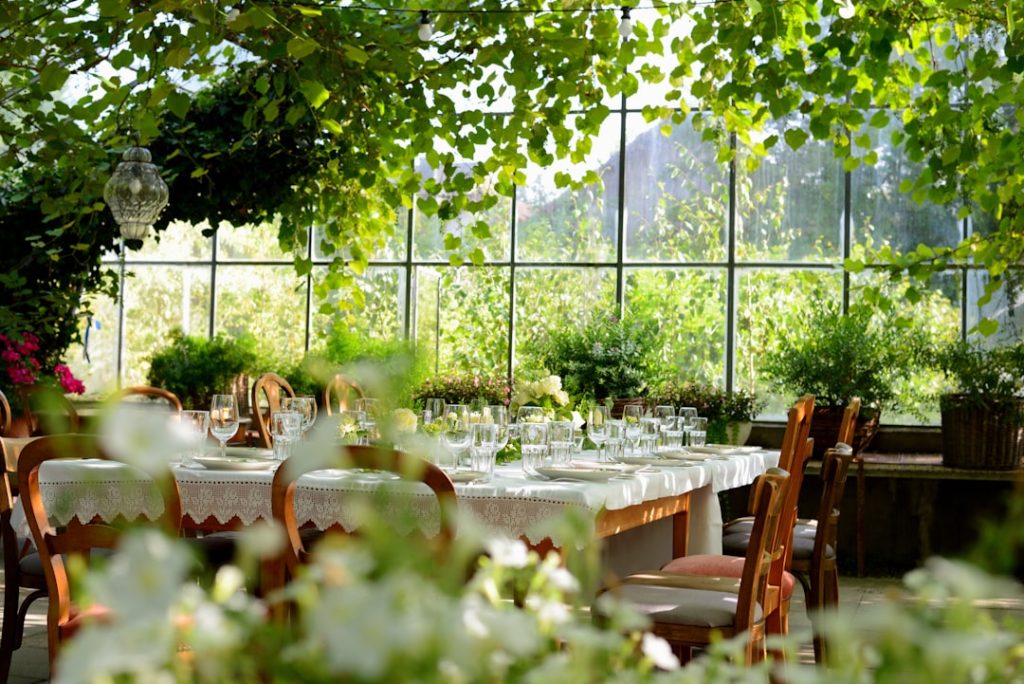
Once you have a budget in place, the next step is to choose a venue and set a date for your wedding. The venue will not only dictate the overall atmosphere of your celebration but also influence many other aspects of your planning process. Consider what type of setting resonates with you—whether it’s a rustic barn, an elegant ballroom, or a picturesque outdoor garden.
Each venue comes with its own unique charm and challenges, so take the time to visit several locations before making a decision. Pay attention to the amenities offered, such as catering options, seating capacity, and accessibility for guests. Setting a date is equally important and can be influenced by various factors, including the availability of your chosen venue and any significant dates that hold meaning for you and your partner.
Think about the season you prefer; spring and summer weddings often offer beautiful weather, while fall and winter can provide a cozy atmosphere. Additionally, consider any holidays or local events that might affect guest availability. Once you’ve settled on a date and venue, it’s time to secure your booking.
Popular venues can fill up quickly, so acting promptly will ensure you get the location of your dreams.
Creating a Guest List and Sending Invitations

With the venue secured, it’s time to create your guest list—a task that can be both exciting and challenging. Start by discussing with your partner who you envision sharing this special day with. Make a list of family members, friends, colleagues, and anyone else who holds significance in your lives.
As you compile names, keep in mind the capacity of your chosen venue; this will help you make decisions about who to invite if your list exceeds the available space. It’s also wise to consider the dynamics of your guest list; inviting people who may not get along could lead to unnecessary tension on your big day. Once your guest list is finalized, it’s time to send out invitations.
Choose a design that reflects the theme of your wedding and includes all necessary details such as the date, time, location, and RSVP information. You can opt for traditional paper invitations or go digital with e-invites—whichever suits your style and budget best. Be sure to send out invitations well in advance, allowing guests ample time to respond.
This will help you get an accurate headcount for catering and seating arrangements. As responses come in, keep track of who has confirmed their attendance and who hasn’t; this will be invaluable as you move forward with planning.
Selecting Vendors for Catering, Photography, and Entertainment
Selecting the right vendors is one of the most critical aspects of wedding planning.
Start by researching local catering companies that align with your vision for the menu—whether it’s a formal sit-down dinner or a casual buffet.
Schedule tastings to sample their offerings and discuss dietary restrictions or preferences that may need to be accommodated. A good caterer will not only provide delicious food but also assist with service staff and equipment rentals if needed. Photography is another essential element that deserves careful consideration.
Your wedding day will be filled with fleeting moments that you’ll want to cherish forever, so finding a skilled photographer is paramount. Look for someone whose style resonates with you—whether it’s candid shots or more posed portraits—and review their portfolio to gauge their expertise. Schedule an initial meeting to discuss your vision and any specific shots you want captured.
Additionally, don’t forget about entertainment; whether it’s a live band or a DJ, choose someone who can create an atmosphere that reflects your personalities and keeps the energy high throughout the celebration.
Designing the Wedding Theme and Décor
With vendors selected, it’s time to focus on designing the theme and décor of your wedding. This is where you can truly let your creativity shine and personalize every aspect of the event. Start by brainstorming ideas that reflect both you and your partner’s tastes—consider colors, styles, and motifs that resonate with you as a couple.
Whether you envision a classic romantic affair or a modern chic celebration, having a clear theme will guide all your décor choices. Once you have a theme in mind, think about how to bring it to life through various elements such as centerpieces, table settings, lighting, and floral arrangements. Collaborate with florists and decorators who understand your vision and can help execute it beautifully.
Don’t forget about smaller details like signage, favors, and even the cake design; these elements can tie everything together seamlessly. As you plan the décor, keep in mind the overall ambiance you want to create—whether it’s whimsical and fun or elegant and sophisticated—and ensure that every detail aligns with that vision.
Finding the Perfect Wedding Attire
Finding the perfect wedding attire is an exciting yet sometimes overwhelming task for many couples. For brides, this often means embarking on a journey to find the ideal wedding gown that makes them feel beautiful and confident on their special day. Start by exploring different styles that flatter your body shape and reflect your personal taste—whether it’s a classic ball gown or a sleek mermaid silhouette.
Don’t hesitate to try on various designs; sometimes the dress you least expect can end up being “the one.” For grooms, selecting attire can be just as important but may involve different considerations such as color coordination with the bride’s gown or overall wedding theme. Whether opting for a classic tuxedo or a more relaxed suit, ensure that it fits well and complements the formality of the event. Additionally, consider accessories like ties or pocket squares that can add personality to the outfit.
Remember that comfort is key; after all, you’ll be wearing this attire for several hours while celebrating with loved ones.
Planning the Ceremony and Reception Timeline
As your wedding day approaches, creating a detailed timeline for both the ceremony and reception becomes essential for ensuring everything runs smoothly. Start by outlining key moments such as the ceremony start time, cocktail hour, dinner service, speeches, and dancing. Share this timeline with all relevant parties—including vendors, bridal party members, and family—to ensure everyone is on the same page regarding when things will happen.
Additionally, build in buffer time for unexpected delays—this will help alleviate stress if things don’t go exactly as planned. Having a well-structured timeline allows everyone involved to know what to expect throughout the day while also giving you peace of mind as you prepare to celebrate this momentous occasion.
Handling Last-Minute Details and Day-of Coordination
As your wedding day draws near, handling last-minute details becomes crucial for ensuring everything goes off without a hitch. Create checklists for tasks that need to be completed in the days leading up to the event—this could include confirming vendor arrangements, finalizing seating charts, or packing an emergency kit with essentials like safety pins or extra makeup. Staying organized during this hectic time will help reduce anxiety as you approach the big day.
On the day of the wedding itself, consider enlisting someone trustworthy to act as a day-of coordinator if possible—this could be a friend or family member who can oversee logistics while you focus on enjoying every moment. This person can handle any unexpected issues that arise without burdening you with stress during what should be one of the happiest days of your life. With careful planning and attention to detail leading up to this momentous occasion, you’ll be able to relax and fully immerse yourself in celebrating love surrounded by those who matter most to you.
Planning a wedding in just six months can be a whirlwind experience, but with the right guidance, it can also be incredibly rewarding. For those looking to incorporate the latest styles and ideas into their special day, exploring current trends can be invaluable. A related article that might be of interest is Popular Wedding Trends for 2024. This article provides insights into the latest trends that can help make your wedding both memorable and stylish, ensuring that even with a tight timeline, your celebration is on point with contemporary styles.