
Multicultural weddings combine traditions, customs, and practices from two or more cultural backgrounds. These ceremonies allow couples to incorporate elements from their respective heritages, creating events that reflect their diverse identities. Such weddings typically include various cultural components such as traditional attire, ceremonial rituals, music, food, and decorative elements from each partner’s background.
These celebrations serve multiple functions beyond the union of two individuals. They provide opportunities for families and guests to learn about different cultural practices and traditions. Wedding ceremonies may feature explanations of specific customs, allowing attendees to understand the significance of various rituals and their historical contexts.
This educational aspect can promote cross-cultural understanding among participants. Planning a multicultural wedding involves selecting which traditions to include and determining how to integrate them cohesively. Couples often choose elements that hold personal significance or represent important aspects of their cultural identities.
The integration process may involve adapting certain practices to accommodate different religious or cultural requirements, or finding ways to present multiple traditions within a single ceremony structure.
Key Takeaways
- Multicultural weddings celebrate diverse backgrounds, enriching the ceremony with meaningful traditions.
- Incorporating traditional attire and customs honors each culture’s heritage and adds authenticity.
- A fusion menu combines flavors from different cultures, ensuring all guests enjoy the food.
- Blending music and dance from various cultures creates a lively, inclusive celebration.
- Balancing decor, ceremonies, and family expectations respects all traditions while embracing love’s diversity.
Incorporating Traditional Attire and Customs
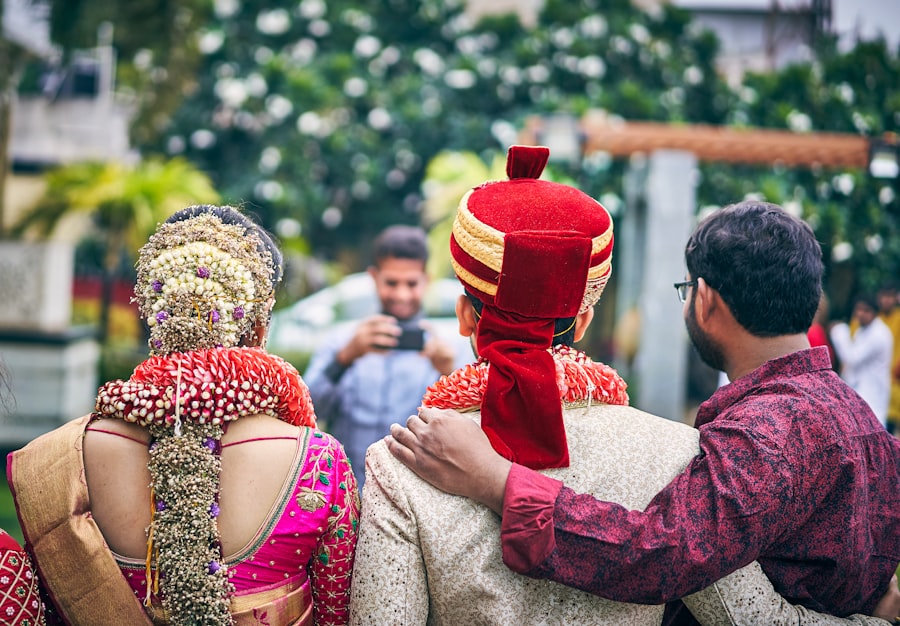
One of the most visually stunning aspects of a multicultural wedding is the attire. Traditional garments can add a vibrant flair to your celebration, allowing you to showcase the beauty of your heritage. Whether it’s a flowing sari, an elegant kimono, or a classic tuxedo, each piece tells a story.
As you choose your wedding attire, think about how you can blend styles or incorporate elements from both cultures. Perhaps you wear a traditional dress for the ceremony and change into something modern for the reception, or you could opt for accessories that reflect both heritages. In addition to attire, consider incorporating traditional customs into your ceremony.
These rituals can range from lighting a unity candle to performing a cultural dance. Each custom carries significance and can enhance the emotional depth of your wedding. For instance, if one partner comes from a culture that values family blessings, you might include a moment in your ceremony where both families come together to offer their support and love.
By weaving these traditions into your day, you create a rich narrative that honors both sides of your family.
Creating a Fusion Menu to Please Every Palate
Food is often at the heart of any celebration, and multicultural weddings provide a wonderful opportunity to create a fusion menu that reflects both cultures. Think about the flavors and dishes that are significant to each of you. You might choose to serve traditional dishes from both backgrounds or create new recipes that blend elements from each cuisine.
This not only caters to diverse tastes but also allows guests to experience something new and exciting. When planning your menu, consider dietary restrictions and preferences as well. Offering vegetarian or gluten-free options ensures that everyone can enjoy the meal without feeling left out.
You could even set up food stations featuring different cuisines, allowing guests to sample various dishes throughout the evening. This interactive dining experience encourages mingling and conversation, making your wedding feel even more festive and inclusive.
Blending Music and Dance from Different Cultures
Music and dance are integral parts of any wedding celebration, and they can beautifully reflect the diversity of your backgrounds. As you curate your playlist, think about incorporating songs that are meaningful to both of you. This could include traditional music from each culture as well as contemporary favorites that resonate with your love story.
A live band or DJ who understands the importance of blending genres can help create an atmosphere that feels cohesive yet diverse. Dance is another wonderful way to celebrate your multicultural heritage. Consider including traditional dances in your reception program, inviting guests to join in on the fun.
You might even want to take dance lessons together before the big day to ensure you feel confident when it’s time to hit the floor. By blending different styles of dance—from a romantic waltz to an energetic folk dance—you create an engaging experience that encourages everyone to participate and celebrate together.
Honoring Different Religious and Spiritual Traditions
If you and your partner come from different religious or spiritual backgrounds, it’s essential to find ways to honor these traditions during your wedding ceremony. This could mean incorporating specific rituals or readings that reflect both faiths. For example, you might light candles or share vows that draw from each tradition’s teachings.
By doing so, you not only respect each other’s beliefs but also create a ceremony that feels authentic to both of you. It’s also important to communicate with family members about how you plan to honor these traditions. Open discussions can help alleviate any concerns and ensure that everyone feels included in the process.
You might even invite family members to participate in certain rituals, allowing them to feel connected to the ceremony while also celebrating the union of two cultures.
Finding a Balance in Decor and Ceremony

The decor at your wedding sets the tone for the entire event, and it’s an opportunity to showcase the beauty of both cultures. When selecting colors, flowers, and design elements, think about how you can blend styles in a way that feels harmonious. For instance, if one culture favors bold colors while the other prefers soft pastels, consider using a palette that incorporates both for a balanced look.
Your ceremony setup can also reflect this balance. You might choose to have two altars or focal points—one representing each culture—where meaningful symbols or items are displayed. This not only adds visual interest but also serves as a reminder of the love and respect you have for each other’s backgrounds.
By thoughtfully curating your decor, you create an environment that feels welcoming and inclusive for all guests.
Navigating Family Expectations and Traditions
Planning a multicultural wedding can sometimes come with challenges, especially when it comes to family expectations and traditions. It’s essential to have open conversations with both families about what is important to them while also expressing your vision for the day. This dialogue can help bridge any gaps and foster understanding among everyone involved.
Consider creating a family advisory board made up of close relatives from both sides who can offer insights and suggestions while respecting your wishes as a couple. This collaborative approach allows family members to feel valued while ensuring that your wedding remains true to your vision. Remember, it’s your day—finding common ground is key, but ultimately, it should reflect who you are as a couple.
Embracing the Beauty of Diversity in Love
At its core, a multicultural wedding is a celebration of love in all its forms—a beautiful reminder that diversity enriches our lives in countless ways. As you plan your special day, take time to reflect on what makes your relationship unique and how those elements can be woven into your celebration. Embrace the differences between your cultures as strengths rather than challenges; they are what make your love story truly special.
Ultimately, your wedding day should be a reflection of who you are as individuals and as partners embarking on this journey together. By embracing the beauty of diversity in love, you create an event that not only honors your backgrounds but also celebrates the union of two hearts coming together as one. As you step into this new chapter of life, remember that love transcends all boundaries—may your wedding day be filled with joy, laughter, and cherished memories for years to come.
When planning a multicultural wedding, it’s essential to blend traditions in a way that honors both cultures while creating a unique celebration. For more insights on how to navigate the various roles and responsibilities during the wedding day, you might find the article on what the groom does on the wedding day particularly helpful. It offers valuable tips that can enhance your understanding of the groom’s role in a multicultural context. You can read it here: What the Groom Does on Wedding Day.
FAQs
What is a multicultural wedding?
A multicultural wedding is a ceremony that incorporates traditions, customs, and elements from two or more different cultural backgrounds, reflecting the diverse heritage of the couple.
Why is it important to blend traditions in a multicultural wedding?
Blending traditions honors the cultural identities of both partners, promotes mutual respect, and creates a unique and meaningful celebration that represents the couple’s shared values and backgrounds.
How can couples effectively combine different wedding traditions?
Couples can combine traditions by selecting meaningful rituals from each culture, communicating openly with family members, working with experienced wedding planners, and creating a ceremony that balances both cultures respectfully.
What are some common challenges in planning a multicultural wedding?
Common challenges include managing differing family expectations, language barriers, coordinating diverse customs, and ensuring that all cultural elements are represented authentically and harmoniously.
Can multicultural weddings include religious ceremonies from both cultures?
Yes, many multicultural weddings incorporate religious ceremonies or blessings from both cultures, either by combining rituals into one event or by holding separate ceremonies to honor each tradition.
How can food be incorporated in a multicultural wedding?
Couples often include dishes from both cultures in the wedding menu, offering guests a variety of traditional foods that celebrate the couple’s heritage and provide a unique culinary experience.
What role do attire and decorations play in multicultural weddings?
Attire and decorations are important for showcasing cultural heritage. Couples may choose traditional clothing from each culture or blend styles, and use decorations that reflect symbols, colors, and motifs significant to their backgrounds.
Is it necessary to include all traditions from both cultures?
No, it is not necessary to include every tradition. Couples should focus on the customs that are most meaningful to them and their families, creating a personalized and respectful celebration.
How can couples ensure their multicultural wedding is inclusive for all guests?
Couples can provide explanations of cultural rituals in the program, offer translations if needed, and create a welcoming atmosphere that educates and engages guests from diverse backgrounds.
Where can couples find resources or support for planning a multicultural wedding?
Couples can seek advice from multicultural wedding planners, cultural organizations, online forums, and books dedicated to intercultural weddings to help navigate the planning process.