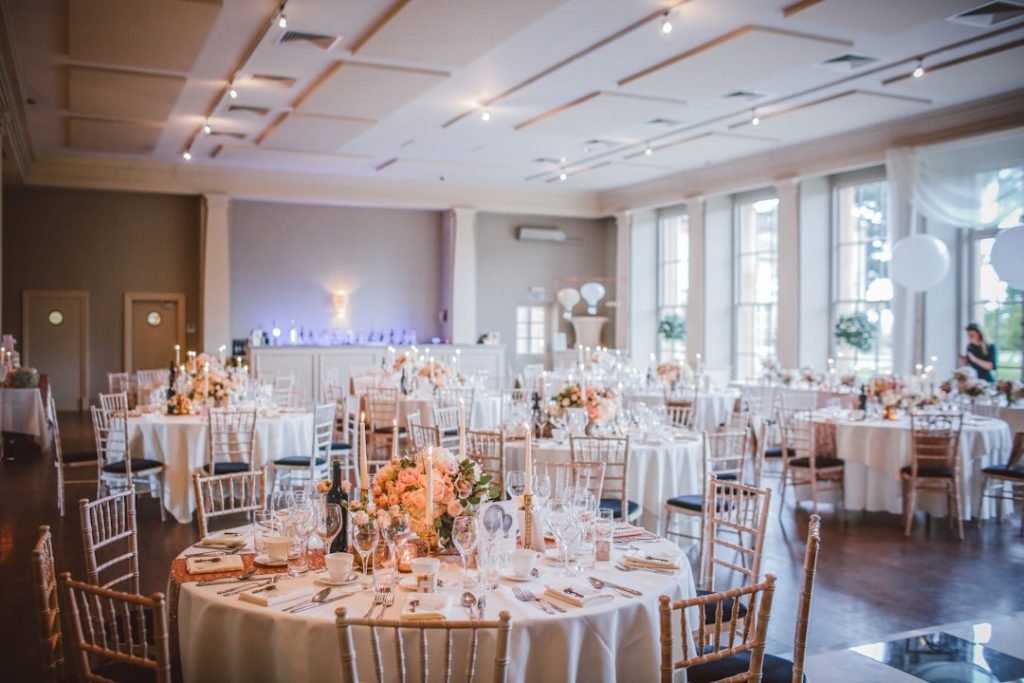
Choosing the perfect location for your wedding is one of the most significant decisions you will make during the planning process. The venue sets the tone for your entire celebration, so it’s essential to consider what kind of atmosphere you want to create. Are you dreaming of a romantic garden ceremony, a chic urban rooftop, or perhaps a rustic barn?
Each location offers its unique charm and can influence everything from your decor choices to your guest experience. Take time to explore various options, and don’t hesitate to visit potential venues in person. This will help you visualize how your day will unfold in that space.
When selecting a location, think about the logistics as well. Consider how far it is from where most of your guests will be traveling. A venue that is easily accessible can make a world of difference for your loved ones, especially those who may be coming from out of town.
Additionally, think about the surrounding area. Are there hotels nearby for guests who may need accommodations? Is there ample parking or public transportation options?
These practical considerations can help ensure that your wedding day runs smoothly and that everyone feels comfortable and welcomed.
Key Takeaways
- Choosing the right location is crucial for convenience and atmosphere.
- Budget planning helps narrow down suitable venue options.
- Venue capacity must align with the guest list size.
- Consider venue style and theme to match the event’s vision.
- Ensure amenities, accessibility, and weather plans meet all needs.
Budget Considerations
Budgeting for your wedding can feel overwhelming, but it doesn’t have to be. Start by determining your overall budget and then break it down into categories such as venue, catering, attire, and decor. This will give you a clearer picture of where your money will go and help you prioritize what matters most to you.
Remember, it’s perfectly okay to splurge on certain elements that are particularly important to you while being more frugal in other areas. For instance, if having a stunning photographer is a top priority, consider allocating more funds there while opting for DIY centerpieces. As you navigate your budget, keep in mind that hidden costs can arise.
Always ask potential vendors about any additional fees that may not be included in their initial quotes. This could include service charges, gratuities, or even taxes. By being proactive and asking questions upfront, you can avoid any unpleasant surprises later on.
Additionally, consider creating a spreadsheet to track your expenses as you go along. This will help you stay organized and ensure that you remain within your budget throughout the planning process.
Capacity and Guest List
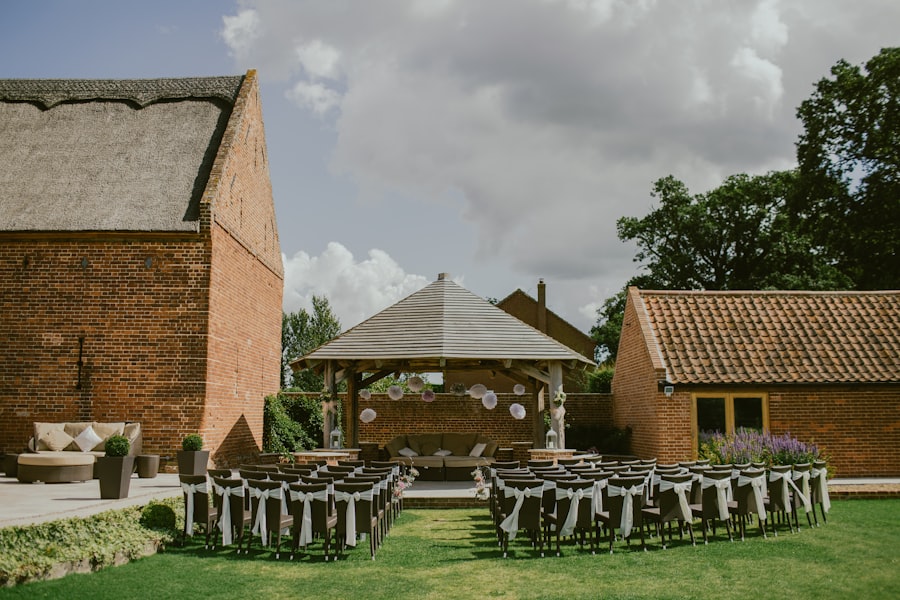
Your guest list is one of the most personal aspects of your wedding planning journey. It’s essential to create a list that reflects the people who mean the most to you and your partner. Start by making a rough draft of everyone you’d like to invite, then refine it based on your venue’s capacity and budget constraints.
Remember that each guest adds to the overall cost, so be mindful of how many people you can realistically accommodate without stretching your budget too thin. Once you have a clearer idea of your guest list, communicate openly with your partner about any must-invite individuals. This conversation can help ensure that both of you feel represented on this special day.
Additionally, consider how the size of your wedding will impact the atmosphere. An intimate gathering can foster deeper connections among guests, while a larger celebration may create a lively party vibe. Ultimately, choose a guest list that feels right for both of you and aligns with the vision you have for your wedding day.
Venue Style and Theme
The style and theme of your wedding should reflect your personalities as a couple. Whether you envision a classic affair with elegant touches or a whimsical celebration filled with vibrant colors, the venue plays a crucial role in bringing your vision to life. When selecting a venue, think about how its architecture and decor align with your desired aesthetic.
For example, a historic mansion may lend itself beautifully to a vintage theme, while a modern art gallery could be perfect for a contemporary celebration. As you explore different venues, consider how each space can be transformed to fit your theme. Look for places that offer flexibility in terms of decor and layout.
Some venues may have restrictions on what you can bring in or how you can set up the space, so it’s essential to clarify these details early on. Additionally, think about how the venue’s natural beauty can complement your chosen theme. A stunning outdoor garden may require minimal decoration, while an indoor space might benefit from additional floral arrangements or lighting enhancements.
Amenities and Services
When evaluating potential venues, take note of the amenities and services they offer. Some venues provide all-inclusive packages that include catering, decor, and even coordination services, which can significantly reduce stress during the planning process. If you prefer to work with outside vendors, ensure that the venue allows this flexibility and inquire about any restrictions they may have.
Additionally, consider what amenities are essential for your guests’ comfort and enjoyment. Does the venue have adequate restrooms? Is there a designated area for guests to relax?
These small details can enhance the overall experience for everyone attending your wedding. If you’re planning an outdoor ceremony, check if there are shaded areas or tents available in case of unexpected weather changes. By prioritizing amenities that matter most to you and your guests, you’ll create an inviting atmosphere that everyone will appreciate.
Accessibility and Accommodations
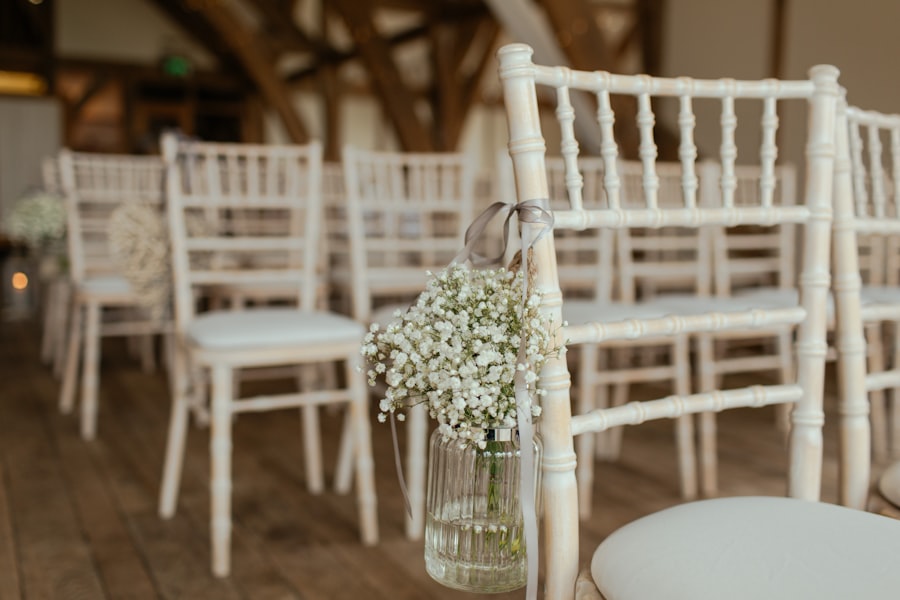
Accessibility is an important factor to consider when choosing your wedding venue. You want all of your guests to feel welcome and comfortable on your special day. Ensure that the venue is wheelchair accessible and has facilities that accommodate individuals with mobility challenges.
This consideration not only shows thoughtfulness but also ensures that everyone can enjoy the celebration without barriers. In addition to accessibility, think about accommodations for out-of-town guests. If many of your loved ones will be traveling from afar, consider partnering with nearby hotels to secure group rates or blocks of rooms.
Providing this information on your wedding website can make it easier for guests to plan their stay. Additionally, consider transportation options between the hotel and venue if they are not within walking distance. By addressing these logistical details early on, you’ll help alleviate any stress for both yourself and your guests.
Weather Contingency Plans
Weather can be unpredictable, so having a contingency plan is essential if you’re planning an outdoor wedding. Always have a backup option in place—whether it’s an indoor space at the same venue or an alternative location nearby. Discuss these options with your venue coordinator well in advance so that everyone is prepared should Mother Nature decide not to cooperate.
If you’re set on an outdoor ceremony or reception, consider renting tents or other structures that can provide shelter in case of rain or extreme heat. Additionally, think about how weather conditions might affect other aspects of your day—like photography or guest comfort—and plan accordingly. Providing fans or blankets for outdoor events can enhance guest comfort during warmer or cooler months.
By preparing for various weather scenarios, you’ll feel more at ease as your wedding day approaches.
Personal Preferences and Special Requests
Your wedding day should be a reflection of you and your partner’s unique love story. Don’t hesitate to incorporate personal touches that make the day feel special and meaningful to both of you. Whether it’s including family heirlooms in your decor or choosing music that holds sentimental value, these details will create an atmosphere that resonates with everyone present.
Additionally, communicate any special requests with your vendors early on in the planning process. If there are specific elements you want included—like a particular dish on the menu or a unique floral arrangement—make sure they understand your vision clearly. Most vendors appreciate knowing what’s important to their clients and will work hard to accommodate those requests whenever possible.
By prioritizing personal preferences throughout the planning process, you’ll create a wedding day that feels authentically yours. In conclusion, planning a wedding is an exciting journey filled with decisions that shape one of the most memorable days of your life. By focusing on key elements such as location, budget considerations, guest capacity, venue style, amenities, accessibility, weather contingencies, and personal touches, you’ll create an event that reflects both your vision and love story beautifully.
Embrace this process with confidence; every choice brings you one step closer to saying “I do” surrounded by those who matter most to you.
When planning your dream wedding, selecting the perfect venue is crucial to setting the right tone for your special day. To complement your venue choice, you might also want to explore the latest styles and themes that are trending this season. For inspiration, check out this article on popular wedding trends for summer weddings, which can help you align your venue selection with current aesthetics and ideas.
FAQs
What factors should I consider when choosing a wedding venue?
When choosing a wedding venue, consider the location, capacity, budget, availability, style, and amenities offered. Also, think about the convenience for guests, parking, and any restrictions the venue may have.
How far in advance should I book a wedding venue?
It is recommended to book your wedding venue at least 9 to 12 months in advance to ensure availability, especially if you are planning your wedding during peak seasons.
What questions should I ask when touring a wedding venue?
Ask about the venue’s capacity, rental fees, what is included in the package, catering options, vendor restrictions, cancellation policies, and any additional costs such as cleaning or overtime fees.
Can I bring my own vendors to the wedding venue?
This depends on the venue’s policies. Some venues require you to use their preferred vendors, while others allow you to bring your own. Always clarify this before booking.
How do I determine the right size venue for my wedding?
Choose a venue that comfortably accommodates your guest list with some extra space for dining, dancing, and other activities. Avoid venues that are too large or too small for your number of guests.
What are common types of wedding venues?
Common wedding venues include banquet halls, hotels, country clubs, gardens, beaches, barns, historic estates, and restaurants. Each offers a different ambiance and style.
Is it important to visit the wedding venue in person?
Yes, visiting the venue in person allows you to assess the space, check the facilities, visualize your event, and meet the staff. It helps ensure the venue meets your expectations.
How can I stay within budget when choosing a wedding venue?
Set a clear budget before searching, compare prices of different venues, consider off-peak dates or days, and inquire about what is included in the rental fee to avoid hidden costs.
What should I know about venue contracts?
Read the contract carefully, understand the payment schedule, cancellation policy, liability insurance requirements, and any restrictions on decorations, noise, or event timing.
Can the wedding venue accommodate special needs or accessibility requirements?
Many venues offer accommodations for guests with special needs, such as wheelchair access and accessible restrooms. Confirm these details with the venue to ensure all guests are comfortable.