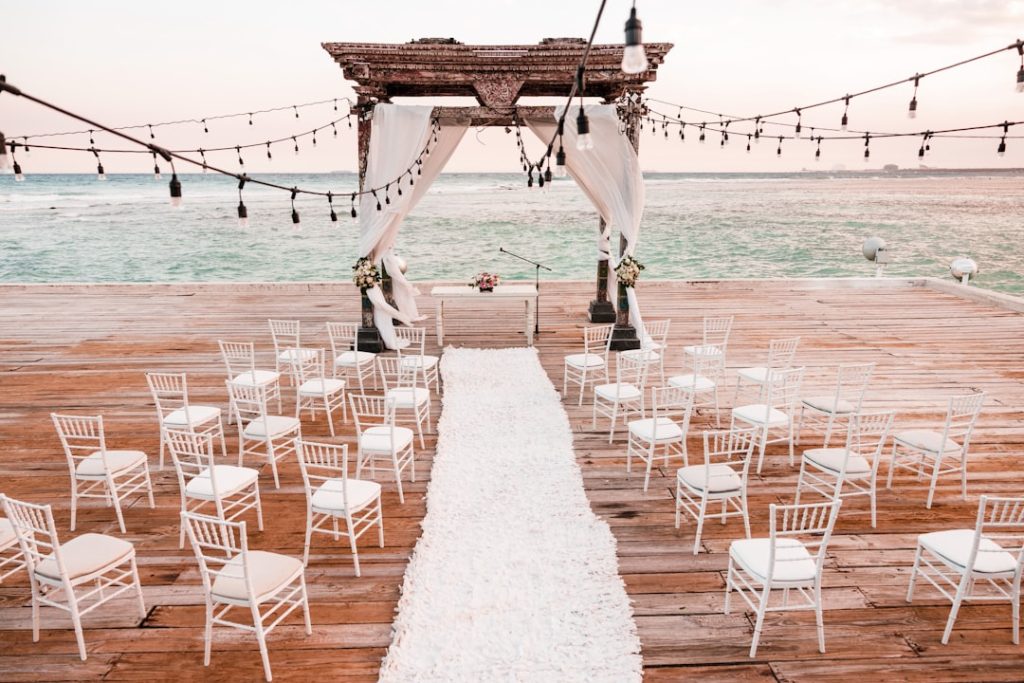
When we embark on the journey of planning a beach wedding, the first and perhaps most crucial step is selecting the perfect beach location. The ideal beach should resonate with our vision of the day, whether it be a secluded cove, a bustling shoreline, or a picturesque stretch of sand. We must consider the aesthetic appeal of the location, as well as its accessibility for our guests.
A beach that offers stunning views, gentle waves, and a serene atmosphere can set the tone for a romantic ceremony. We should also think about the backdrop for our wedding photos; a dramatic cliffside or a vibrant sunset can add an enchanting touch to our memories. In addition to the visual aspects, we need to take into account the practicalities of our chosen beach.
Is it easily accessible for our guests? Are there facilities nearby, such as restrooms and parking? We should also consider the local regulations regarding beach weddings, as some locations may require permits or have restrictions on gatherings.
By carefully evaluating these factors, we can ensure that our chosen beach location not only fulfills our aesthetic desires but also meets the logistical needs of our special day.
Key Takeaways
- Consider the accessibility, scenery, and amenities when choosing the perfect beach location for your wedding
- Select a time of day with optimal lighting and weather conditions for the best wedding photos
- Check the weather and tide schedules to avoid any unexpected surprises on your wedding day
- Choose beach-friendly attire and footwear for both the wedding party and guests
- Incorporate beach elements into the decor to create a cohesive and beautiful wedding theme
- Ensure guest comfort and safety by providing shade, hydration, and sunscreen
- Plan for beach-specific logistics such as parking, transportation, and restroom facilities
- Research and obtain any necessary permits and adhere to regulations for beach weddings in your chosen location
Selecting the right time of day
Once we have settled on a beach location, the next step is to determine the right time of day for our wedding ceremony. Timing can significantly influence the atmosphere and overall experience of our event. Many couples opt for sunset ceremonies, where the golden hour casts a warm glow over the proceedings, creating a romantic ambiance.
The soft light during this time is perfect for photography, allowing us to capture breathtaking moments against a backdrop of vibrant colors. However, we must also consider the practical aspects of timing. A midday ceremony may expose us and our guests to harsh sunlight and heat, which could lead to discomfort.
If we choose to hold our wedding earlier in the day, we might enjoy cooler temperatures and fewer crowds. Ultimately, we should weigh the pros and cons of each time slot, keeping in mind both the aesthetic appeal and the comfort of our guests. By selecting the right time of day, we can create an unforgettable experience that aligns with our vision.
Understanding the weather and tides
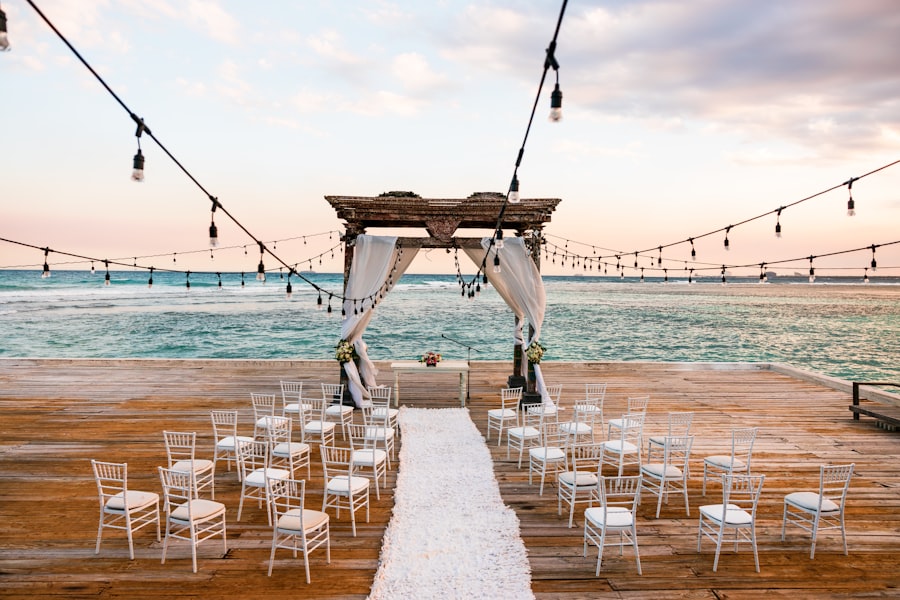
As we plan our beach wedding, understanding the weather and tides becomes paramount. Beaches are often subject to unpredictable weather patterns, and we must be prepared for any eventuality. We should research the typical climate for our chosen location during our wedding month, taking note of average temperatures, humidity levels, and potential rainfall.
This information will help us make informed decisions about our attire, decor, and overall logistics. In addition to weather considerations, we must also pay attention to tidal patterns. High tides can significantly impact beach accessibility and may even affect our ceremony setup.
We should consult tide charts to determine when high and low tides occur on our wedding day. By being aware of these natural rhythms, we can avoid potential disruptions and ensure that our ceremony unfolds smoothly. Ultimately, understanding both weather and tides allows us to plan effectively and adapt as needed.
Beach-friendly attire and footwear
Choosing appropriate attire for a beach wedding is essential for both comfort and style. As we envision ourselves standing on the sand, we must consider fabrics that are lightweight and breathable. Flowing dresses made from chiffon or linen can create an ethereal look while allowing us to stay cool in warm temperatures.
For grooms, lightweight suits or even dress shorts paired with a crisp shirt can strike the perfect balance between formal and relaxed. Footwear is another critical aspect of our beach attire. While traditional wedding shoes may not be practical on sandy terrain, we have several options that can enhance both comfort and style.
Barefoot sandals or embellished flip-flops can add a touch of elegance while allowing us to feel the sand beneath our feet. Alternatively, we might choose to go completely barefoot, embracing the natural beauty of our surroundings. By selecting beach-friendly attire and footwear, we can ensure that we look stunning while feeling comfortable throughout our special day.
Incorporating beach elements into the decor
To truly capture the essence of a beach wedding, we should consider incorporating beach elements into our decor. Natural materials such as driftwood, seashells, and coral can add an organic touch to our ceremony setup. We might use driftwood as an archway or create centerpieces adorned with seashells to evoke a coastal vibe.
Additionally, incorporating colors inspired by the ocean—such as soft blues, sandy beiges, and vibrant corals—can enhance the overall aesthetic. Lighting also plays a significant role in creating a beachy atmosphere. String lights or lanterns can add warmth as the sun sets, casting a magical glow over our celebration.
We might even consider using candles in glass holders to create an intimate ambiance as night falls. By thoughtfully incorporating these beach elements into our decor, we can create a cohesive theme that reflects our love for the ocean while providing a stunning backdrop for our wedding.
Ensuring guest comfort and safety
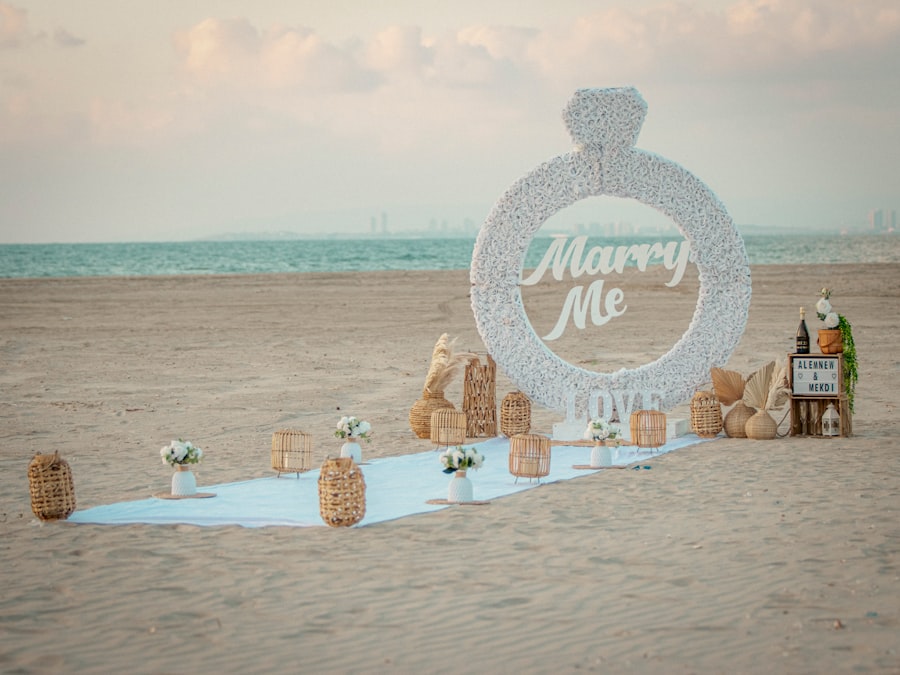
As we plan our beach wedding, ensuring guest comfort and safety should be at the forefront of our minds. Beaches can present unique challenges, from uneven terrain to exposure to sun and wind. To keep our guests comfortable, we might provide shaded areas with umbrellas or tents where they can escape the sun’s rays during the ceremony.
Offering refreshments such as water or light snacks can also help keep everyone hydrated and energized throughout the day. Safety is another critical consideration when hosting a beach wedding. We should be mindful of potential hazards such as strong currents or rocky areas if our chosen location has water access.
It may be wise to provide clear instructions regarding swimming or other activities during the event. Additionally, having a first aid kit on hand can help us address any minor injuries or discomforts that may arise. By prioritizing guest comfort and safety, we can create an enjoyable experience for everyone involved.
Planning for beach-specific logistics
Planning for beach-specific logistics is essential to ensure that everything runs smoothly on our wedding day. One of the first considerations is transportation; we need to determine how guests will arrive at the beach venue and whether parking is available nearby. If parking is limited, we might consider arranging shuttles or carpooling options to make it easier for everyone to attend.
We should also think about how to transport decor and equipment to the beach site. Sand can be challenging to navigate with heavy items, so enlisting help from friends or hiring local vendors who specialize in beach weddings can alleviate some of this burden. Additionally, we must consider how to set up seating arrangements on sand; using sturdy chairs or benches designed for outdoor use can help ensure stability while providing comfort for our guests.
By addressing these logistical details ahead of time, we can minimize stress on our wedding day and focus on celebrating with loved ones.
Permits and regulations for beach weddings
Finally, as we finalize our plans for a beach wedding, it is crucial to understand any permits and regulations that may apply to our chosen location. Many beaches have specific rules regarding gatherings, noise levels, and alcohol consumption that we must adhere to in order to avoid fines or disruptions on our special day. Researching local regulations ahead of time will help us navigate these requirements smoothly.
Obtaining necessary permits may involve submitting applications well in advance of our wedding date. This process can vary significantly depending on local laws and regulations; some beaches may require permits for even small gatherings while others may have more lenient policies. We should reach out to local authorities or park services to clarify what is needed for our event.
By ensuring that we have all required permits in place before our wedding day arrives, we can enjoy peace of mind knowing that we are compliant with local regulations while celebrating love by the sea. In conclusion, planning a beach wedding involves careful consideration of various elements—from choosing the perfect location to understanding permits and regulations. By thoughtfully addressing each aspect of this process together, we can create an unforgettable experience that reflects our love story while embracing the beauty of nature around us.
With attention to detail and a focus on guest comfort and safety, we will undoubtedly craft memories that will last a lifetime against the stunning backdrop of sun-kissed shores.