
When it comes to our wedding attire, finding the right seamstress is a crucial step in ensuring that our vision comes to life. A skilled seamstress can transform a standard dress into a masterpiece that fits us perfectly and reflects our personal style. To begin our search, we should consider recommendations from friends, family, or even bridal boutiques.
Personal referrals often lead us to talented professionals who have a proven track record of delivering exceptional results. We can also explore online reviews and social media platforms to gauge the experiences of other brides. By doing our homework, we can compile a list of potential seamstresses who align with our needs.
Once we have a shortlist, it’s essential to schedule consultations with each candidate. During these meetings, we should pay attention not only to their portfolio but also to their communication style and willingness to listen to our ideas. A good seamstress will take the time to understand our preferences and offer suggestions that enhance our vision.
We should also inquire about their experience with different fabrics and styles, as this knowledge can significantly impact the final outcome. Ultimately, we want to feel comfortable and confident in our choice, knowing that we have partnered with someone who truly understands our desires.
Key Takeaways
- Finding the right seamstress is crucial for a perfect fit and flawless alterations.
- Timing is everything when it comes to wedding dress alterations, so plan ahead and schedule fittings well in advance.
- Communicating your vision clearly to the seamstress is essential for achieving the desired look and fit.
- Understanding the costs associated with wedding dress alterations is important for budgeting and avoiding surprises.
- Choosing the right undergarments can make a significant difference in how the dress looks and feels on the wedding day.
Timing is Everything
Timing plays a pivotal role in the wedding planning process, especially when it comes to alterations and fittings. We must remember that the earlier we start this process, the better. Ideally, we should begin searching for our seamstress as soon as we have purchased our dress.
This allows ample time for fittings and adjustments without the stress of looming deadlines. Many experts recommend scheduling our first fitting at least three months before the wedding date. This timeline gives us enough room for multiple fittings, ensuring that every detail is perfected.
Moreover, we should be mindful of the busy seasons for seamstresses, particularly during peak wedding months. If we are planning a summer wedding, for instance, we may find that many seamstresses are booked solid. By starting early, we can avoid the last-minute rush and secure a talented professional who can dedicate the necessary time to our dress.
Additionally, this approach allows us to enjoy the process rather than feeling overwhelmed by time constraints. After all, this is a significant moment in our lives, and we deserve to savor every step leading up to our big day.
Communicating Your Vision
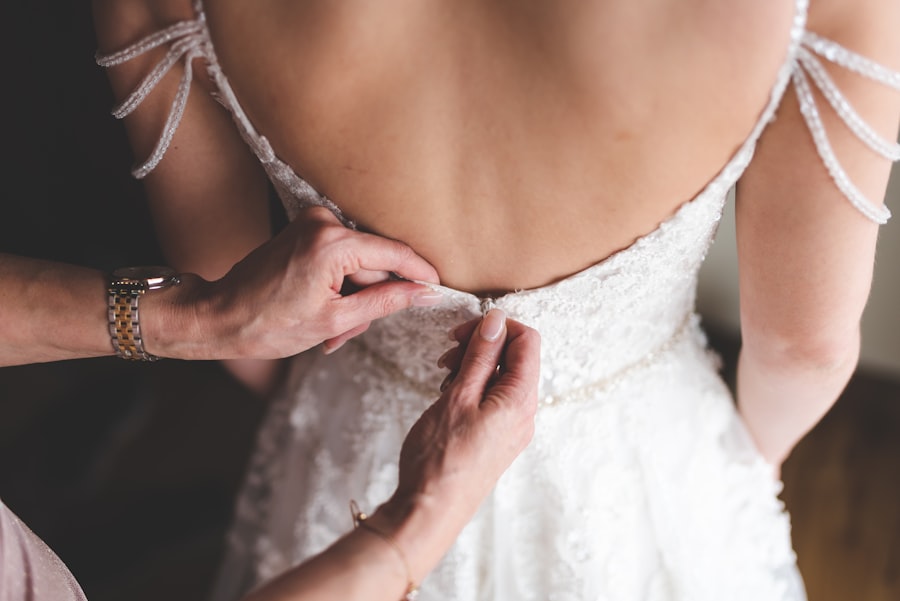
Effective communication is key when it comes to conveying our vision to our seamstress. We should come prepared with ideas and inspiration that reflect our style and preferences. This could include photographs from magazines, Pinterest boards, or even sketches that illustrate what we envision for our dress.
By providing visual references, we can help our seamstress understand the specific elements we love, whether it’s a particular neckline, fabric choice, or embellishment. During our consultations and fittings, it’s important to articulate not only what we want but also what we don’t want. This clarity will help guide the seamstress in making decisions that align with our vision.
We should feel empowered to ask questions and express any concerns that arise during the fitting process. A good seamstress will appreciate our input and work collaboratively with us to achieve the desired outcome. By fostering an open dialogue, we can ensure that our dress becomes a true reflection of who we are on our special day.
Understanding the Costs
As we embark on this journey of customizing our wedding dress, it’s essential to have a clear understanding of the costs involved. Alterations can vary significantly based on factors such as the complexity of the changes, the type of fabric, and the experience level of the seamstress. We should discuss pricing upfront during our initial consultation to avoid any surprises later on.
Many seamstresses provide estimates based on common alterations, but it’s wise to ask for a detailed breakdown of costs associated with specific changes we may want. In addition to alteration fees, we should also consider any additional expenses that may arise during the process. For instance, if we decide to add custom embellishments or change the fabric of certain elements, these modifications can increase costs.
It’s important for us to set a budget for alterations early on and communicate this with our seamstress. By being transparent about our financial constraints, we can work together to find solutions that fit within our budget while still achieving the look we desire.
Choosing the Right Undergarments
Selecting the right undergarments is an often-overlooked aspect of preparing for our wedding day. The foundation garments we choose can significantly impact how our dress fits and looks on us. We should consider factors such as support, comfort, and how well they complement the style of our dress.
For example, if we have chosen a strapless gown, investing in a quality strapless bra is essential for achieving a smooth silhouette. Additionally, we should think about shapewear if we desire a more streamlined appearance. However, comfort is paramount; we don’t want to sacrifice ease of movement for aesthetics on such an important day.
It’s advisable to bring our chosen undergarments to fittings so that our seamstress can make any necessary adjustments based on how they affect the overall fit of the dress. By paying attention to these details, we can ensure that we feel confident and comfortable as we walk down the aisle.
Planning for the Final Fitting
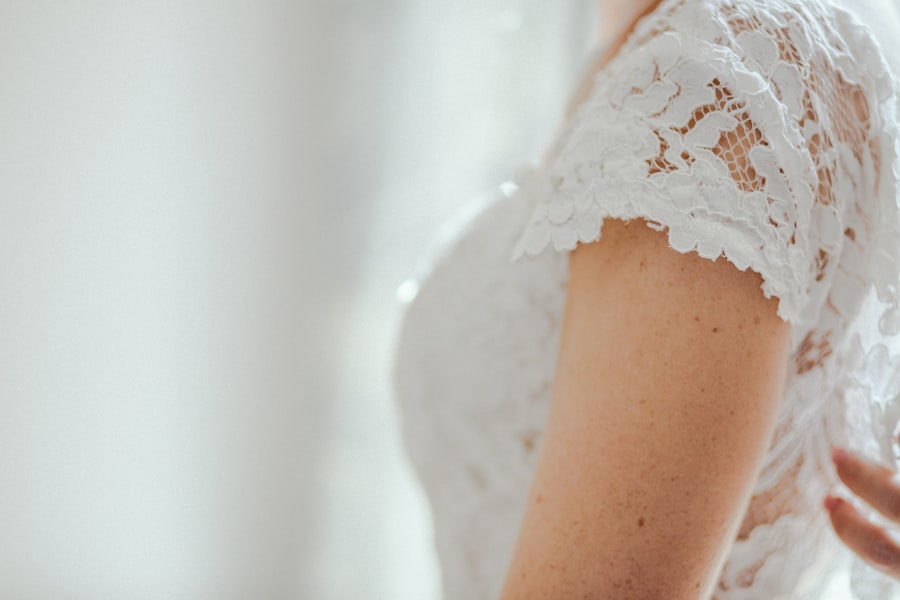
The final fitting is one of the most exciting moments in our wedding preparation journey. It’s when all the pieces come together, and we get to see our dress in its completed form. To make the most of this fitting, we should plan ahead by scheduling it close to our wedding date—ideally within two weeks prior—so that any last-minute adjustments can be made easily.
This timing allows us to account for any changes in body shape or size leading up to the big day. During this fitting, it’s crucial for us to bring along all accessories that we plan to wear on our wedding day, including shoes, jewelry, and veils. These elements can affect how the dress falls and fits on us, so having them on hand will help ensure everything looks cohesive.
We should also take this opportunity to practice moving in the dress—sitting down, walking, and even dancing—to ensure that it feels comfortable and allows us to move freely throughout the day. The final fitting is not just about making adjustments; it’s about embracing the moment and getting excited for what lies ahead.
Considering the Weather
As we approach our wedding day, considering the weather is an important factor that can influence not only our comfort but also how our dress performs throughout the event. If we’re planning an outdoor ceremony or reception, we should be mindful of potential weather conditions such as heat, humidity, or rain. For instance, if it’s going to be a hot day, lightweight fabrics may be more suitable than heavier materials that could cause discomfort.
Additionally, if rain is in the forecast, we might want to discuss options with our seamstress for adding protective elements like a stylish wrap or bolero jacket that complements our dress while keeping us dry. It’s also wise to think about how different weather conditions could affect our hair and makeup choices; humidity might require more resilient styling products or techniques. By planning ahead and considering these factors, we can ensure that we remain comfortable and confident no matter what Mother Nature has in store for us.
Maintaining Your Dress After the Wedding
Once the wedding day has come and gone, maintaining our dress becomes an important consideration for preserving its beauty and integrity for years to come. Many brides choose to have their dresses professionally cleaned shortly after the event to remove any stains or dirt accumulated during wear. It’s advisable to research reputable dry cleaners who specialize in wedding gowns; they will know how to handle delicate fabrics and intricate embellishments without causing damage.
After cleaning, storing our dress properly is essential for its longevity. We should opt for a breathable garment bag rather than plastic coverings that can trap moisture and lead to mildew or discoloration over time. Additionally, keeping it in a cool, dark place away from direct sunlight will help prevent fading and deterioration of fabrics.
Some brides even choose to have their dresses preserved in a display box as a keepsake—a beautiful way to commemorate such a special day while ensuring its protection for future generations. In conclusion, navigating the journey of preparing for our wedding dress involves careful consideration at every step—from finding the right seamstress and understanding costs to planning for fittings and maintaining the dress afterward. By approaching each aspect thoughtfully and collaboratively with professionals in the field, we can create an experience that not only meets but exceeds our expectations as we prepare for one of life’s most cherished moments.