Wedding planning begins with establishing a budget and timeline, two fundamental elements that will direct all subsequent decisions. Start by calculating your total available funds, including personal savings, family contributions, and any other financial resources. Accurate budget assessment prevents overspending and reduces financial stress during the planning process.
Divide your budget into specific categories: venue rental, catering, photography, attire, flowers, music, and miscellaneous expenses. This breakdown provides clarity on spending allocation and helps identify priority areas. Timeline development requires working backward from your chosen wedding date to establish key deadlines.
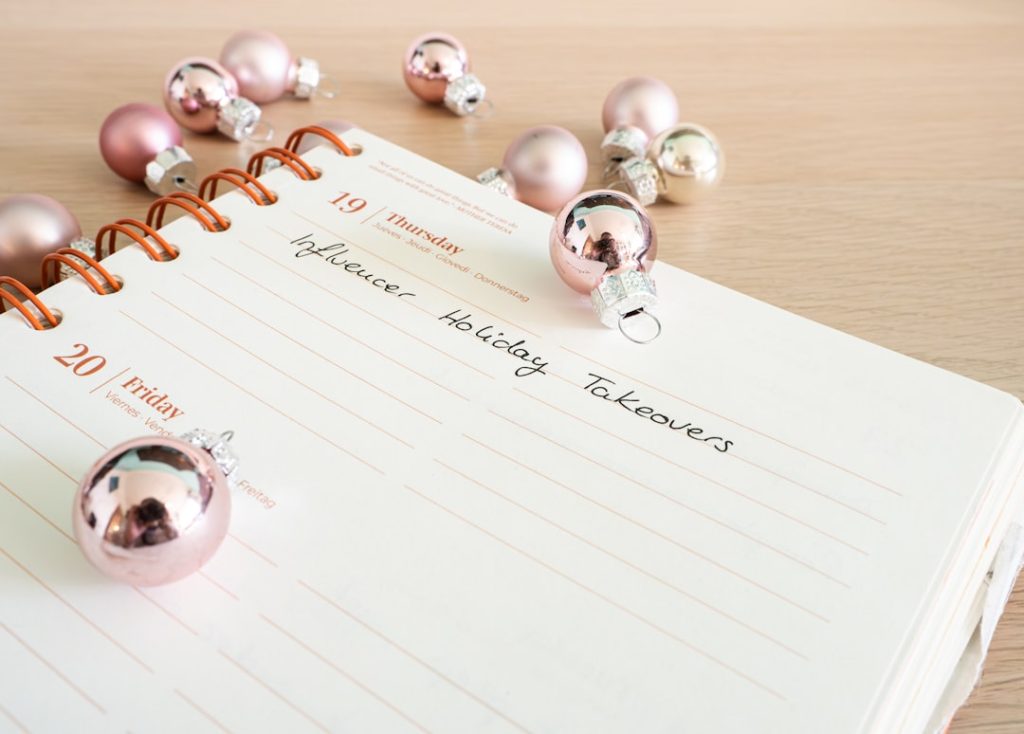
For weddings planned 12 months in advance, secure your venue and primary vendors within the first 2-3 months. This early booking ensures availability and provides adequate time for detailed planning. Document important milestones using a calendar system, including invitation mailing dates, final guest count deadlines, menu tastings, and dress fittings.
A structured timeline prevents last-minute rushing and maintains organization throughout the planning period. Build flexibility into your schedule to accommodate unexpected changes or delays that may arise during the planning process.
Key Takeaways
- Establish a clear budget and timeline early to guide all wedding planning decisions.
- Carefully select venues and vendors that align with your vision and budget.
- Design invitations and save-the-dates that reflect the wedding theme and provide essential information.
- Choose attire that complements the style of the wedding and ensures comfort for the day.
- Coordinate ceremony, reception, transportation, accommodations, and menu details to create a seamless and memorable event.
Choosing the Perfect Venue and Vendors
Selecting the right venue is one of the most significant decisions you’ll make during your wedding planning process. The venue sets the tone for your celebration and should reflect your personal style and vision. Consider factors such as location, capacity, and ambiance.
Do you envision an elegant ballroom, a rustic barn, or perhaps a serene beach? Once you have a shortlist of venues that resonate with you, schedule visits to experience each space firsthand. Pay attention to details like lighting, layout, and accessibility for your guests.
This is also a great time to ask questions about their policies and any packages they offer. Alongside your venue, choosing the right vendors is crucial for bringing your vision to life. From photographers to florists, each vendor plays a vital role in creating the atmosphere of your wedding day.
Start by researching local professionals who align with your style and budget. Read reviews, check portfolios, and don’t hesitate to reach out for consultations. Building relationships with your vendors can make the planning process smoother and more enjoyable.
Remember to communicate openly about your expectations and preferences; this will help them understand your vision and deliver results that exceed your expectations.
Designing the Perfect Invitations and Save the Dates

Your wedding invitations and save-the-dates are the first glimpse your guests will have of your special day, so it’s essential to design them thoughtfully. Start by choosing a theme or color palette that reflects your wedding style. Whether you prefer classic elegance or modern minimalism, let this guide your design choices.
Consider incorporating personal touches, such as custom illustrations or meaningful quotes that resonate with you as a couple. This will not only make your invitations unique but also give guests a sense of the love story behind the celebration. When it comes to logistics, be sure to send out save-the-dates well in advance—typically six months before the wedding.
This allows guests ample time to make travel arrangements if necessary. For invitations, aim to send them out about eight weeks prior to the big day. Include all essential information: date, time, location, and RSVP details.
If you’re planning any special events like a rehearsal dinner or brunch, consider including those details as well. A well-designed invitation not only conveys important information but also sets the tone for an unforgettable celebration.
Selecting the Perfect Dress and Attire
Finding the perfect wedding dress is often one of the most cherished moments in the planning process. Start by exploring different styles that resonate with you—whether it’s a classic ball gown, a sleek sheath dress, or something bohemian and flowy. Visit bridal boutiques and try on various silhouettes to see what flatters your figure and makes you feel beautiful.
Don’t forget to consider comfort; you’ll be wearing this dress for hours! Bring along trusted friends or family members for support and honest feedback as you navigate this exciting journey. In addition to your dress, think about the attire for your bridal party and groom.
Coordinate colors and styles that complement your overall theme while allowing each person to express their individuality. If you’re looking for something unique, consider mixing and matching dresses for bridesmaids or opting for different shades of the same color palette. For groomsmen, choose suits or tuxedos that align with your vision while ensuring they feel comfortable in their attire.
Ultimately, selecting outfits that reflect both your style and that of your loved ones will create a cohesive look on your special day.
Planning the Ideal Ceremony and Reception
The ceremony is the heart of your wedding day—a moment where you’ll exchange vows and celebrate your love in front of family and friends. Begin by deciding on the type of ceremony that resonates with you: traditional, religious, or perhaps a more personalized approach that reflects your beliefs and values. Consider writing your own vows for an intimate touch that speaks directly from your heart.
Choose readings or music that hold special meaning for both of you; these elements will enhance the emotional atmosphere of the ceremony. Following the ceremony, it’s time to transition into the reception—a celebration filled with joy, laughter, and dancing! Think about how you want to set up the space: long banquet tables for an elegant feel or round tables for a more casual vibe?
Incorporate décor elements that reflect your theme—think centerpieces, lighting, and table settings that create an inviting atmosphere for guests. Don’t forget about entertainment; whether it’s a live band or a DJ spinning tunes, choose music that will keep everyone on their feet and create lasting memories.
Organizing Transportation and Accommodations
As you finalize details for your wedding day, don’t overlook transportation for yourself and your guests. Consider how you’ll get from the ceremony to the reception venue—will you need shuttles for guests? If so, book these well in advance to ensure availability.
For yourself and your bridal party, think about hiring a stylish vehicle that matches your wedding aesthetic—perhaps a vintage car or a sleek limousine for added flair. Accommodations are another important aspect to consider, especially if many guests are traveling from out of town. Research nearby hotels or rental properties that can accommodate your loved ones comfortably.
Block off rooms at a hotel for convenience; this often comes with discounted rates for guests who mention your wedding when booking. Providing this information on your website or in invitations will help guests plan their stay seamlessly.
Creating a Delicious Menu and Selecting the Perfect Cake
Food is one of the highlights of any wedding celebration, so take time to curate a menu that reflects both of your tastes while catering to guests’ preferences. Start by deciding on the type of meal service: plated dinners offer elegance while buffet-style can create a relaxed atmosphere. Consider incorporating cultural dishes or family recipes that hold significance for both families; this personal touch can make the meal even more memorable.
Don’t forget about dessert! Selecting the perfect wedding cake is an exciting part of the planning process. Explore different flavors and designs that align with your theme—whether it’s a classic tiered cake adorned with fresh flowers or a modern naked cake showcasing seasonal fruits.
Schedule tastings with local bakers to find flavors that delight your palate. Additionally, consider offering alternative desserts like cupcakes or a dessert bar for guests who may prefer something different.
Finalizing Details and Preparing for the Big Day
As your wedding day approaches, it’s time to finalize all details to ensure everything runs smoothly. Create a checklist of tasks that need completion in the weeks leading up to the event—this could include confirming vendor contracts, finalizing guest counts, or organizing seating arrangements. Communicate with all vendors about timelines and expectations; this will help everyone stay aligned on the big day.
On the eve of your wedding, take time to relax and enjoy this special moment with loved ones. Consider hosting a small gathering or rehearsal dinner to celebrate before saying “I do.” Remember to breathe deeply; it’s normal to feel nervous but trust in all the planning you’ve done together. When the day arrives, embrace every moment—this is a celebration of love surrounded by those who cherish you both most dearly.
With careful planning and attention to detail, you’ll create an unforgettable experience that reflects your unique love story beautifully.
When planning your wedding, having a comprehensive checklist can significantly reduce stress and ensure that no detail is overlooked. For brides looking to prepare for their big day, it’s essential to know what items are necessary to have on hand. A helpful resource is the article on what a bride needs on her wedding day, which outlines essential items and tips to make the day go smoothly. This guide complements your wedding planning checklist by providing insights into the must-haves that can help you feel more organized and ready for your celebration.
FAQs
What is a wedding planning checklist?
A wedding planning checklist is a detailed list of tasks and deadlines that help couples organize and manage all aspects of their wedding preparation, ensuring nothing is overlooked.
When should I start using a wedding planning checklist?
It is recommended to start using a wedding planning checklist as soon as you get engaged, ideally 12 to 18 months before the wedding date, to allow ample time for planning and booking vendors.
What are the key components of a wedding planning checklist?
Key components typically include setting a budget, choosing a date and venue, creating a guest list, selecting vendors (caterer, photographer, florist), sending invitations, planning the ceremony and reception details, and arranging attire and transportation.
How can a wedding planning checklist reduce stress?
By breaking down the planning process into manageable tasks with deadlines, a checklist helps keep the couple organized, prevents last-minute rushes, and ensures all important details are addressed in a timely manner.
Can a wedding planning checklist be customized?
Yes, wedding planning checklists can and should be customized to fit the couple’s specific needs, preferences, and the scale of their wedding.
Are there digital tools available for wedding planning checklists?
Yes, many apps and websites offer digital wedding planning checklists that can be updated in real-time, shared with vendors or family members, and integrated with calendars and reminders.
What should I prioritize on my wedding planning checklist?
Priorities typically include booking the venue and vendors, finalizing the guest list, sending invitations, and arranging key elements like catering, photography, and attire.
How often should I update my wedding planning checklist?
It is advisable to review and update the checklist regularly, such as weekly or biweekly, to track progress and adjust plans as needed.
Is it necessary to hire a wedding planner if I use a checklist?
Not necessarily. A checklist can help couples plan independently, but hiring a wedding planner can provide professional guidance, vendor connections, and day-of coordination to further reduce stress.
Where can I find a reliable wedding planning checklist?
Reliable wedding planning checklists can be found on wedding websites, bridal magazines, planning apps, and through wedding planners or venues. Many are available for free download or as part of planning tools.